



A luxury cosmetic brand recalled 5,000 gift boxes last spring—not because the print registration was off or the color missed the Pantone, but because the magnetic flap that looked perfect on the approval sample simply stopped holding after two days in a truck. The spec sheet promised a certain gauss rating and pull force. What arrived in the container was a spec that worked at 72°F and zero vibration, not inside a FedEx trailer parked overnight in Phoenix. That gap between the lab test and the real freight environment is the kind of insider knowledge you don’t get from a catalog cut sheet. I’ve stood next to a flexo press when a batch of blister cards came out with invisible micro-fractures that wouldn’t show until the retail peg flexed them—another promise that died between the spec and the pallet.
If you’re running an industrial distribution business and your moving supply revenue leans on corrugated boxes, you live inside that gap every season. Boxes are a commodity trap. The burst strength might look fine on paper—32 ECT, 200# test—but when the humidity spikes in a storage unit, the fluting gives, the tape pops, and you get returns at 8% or worse. Meanwhile, you’re chasing single-digit gross margins on SKUs that eat warehouse space, tie up cash in seasonal cardboard inventory, and vanish the moment a new supplier undercuts you by a nickel. The real cost isn’t on the invoice; it’s in the stockouts during July peak moving season and the margin erosion that makes every quarter a guess.
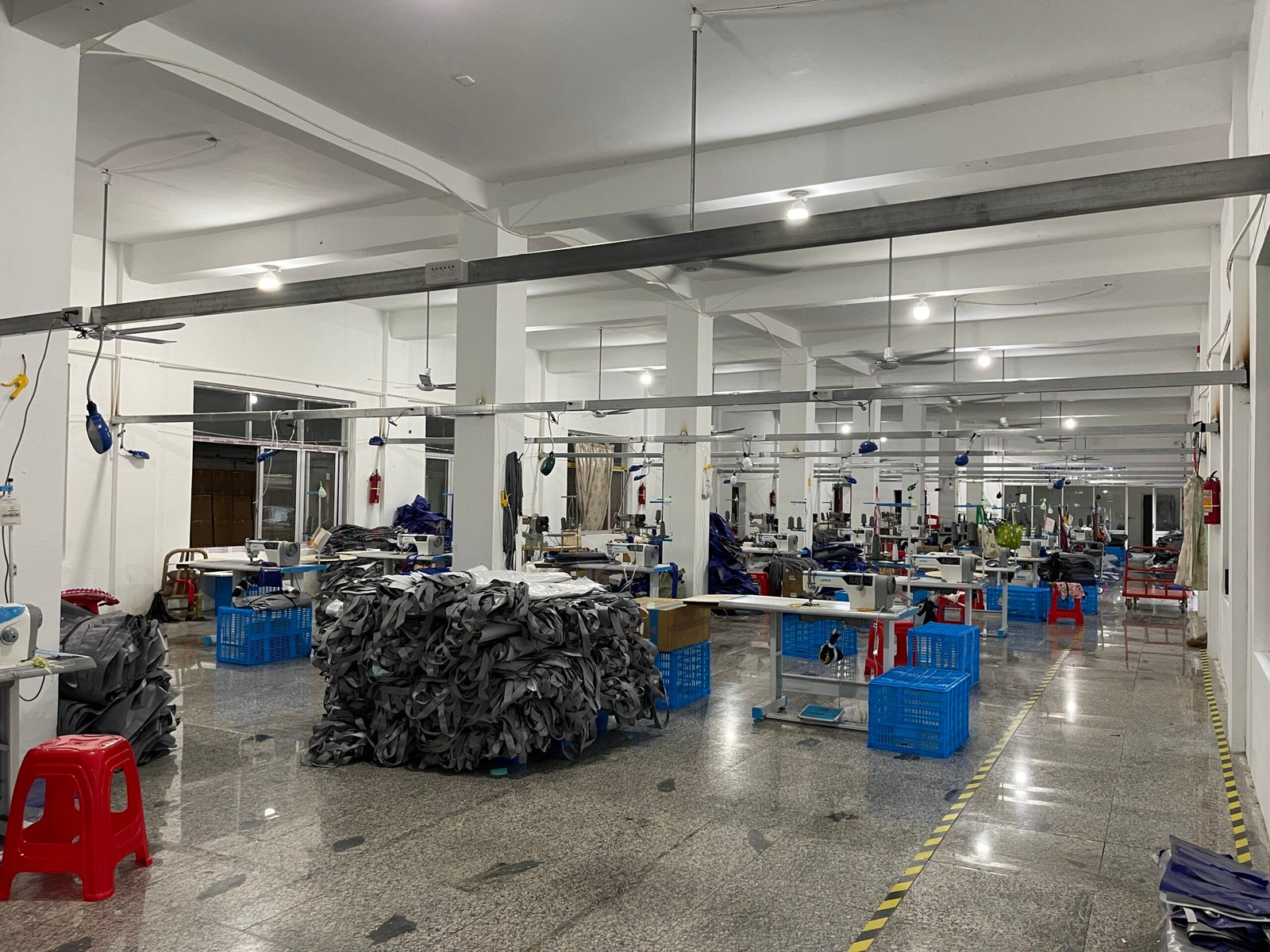
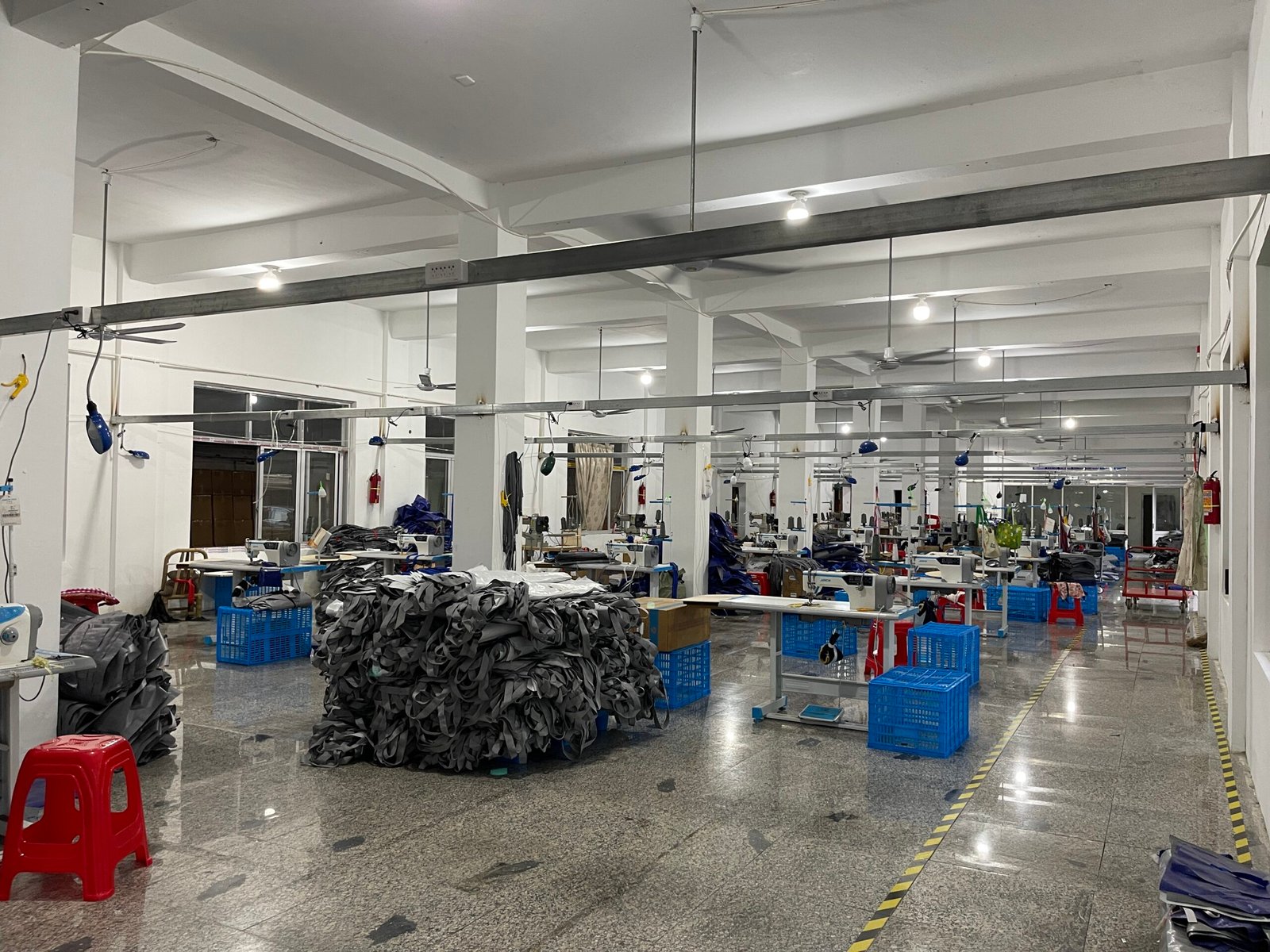
What I’ve seen on the bag side tells a different story entirely. Heavy-duty moving bags, built from laminated non-woven or ripstop with a 160gsm body that can handle a 70-pound load shift, create a completely different margin structure for dealers. When you source direct from a factory that also prints custom logos with tight flexo registration, the landed cost per unit drops low enough to retail at a price that still yields 60–75% gross margin—with zero worry about seasonal humidity failures or magnetic surprises. That’s not hype. That’s a number I’ve watched hit distributor P&Ls repeatedly, and it’s the reason more margin-conscious distributors are swapping their box-centric inventory for bag programs that actually reward the storage space they consume.
Unit Economics: Markup Potential for Bags vs. Boxes
Look past the noise of commodity pricing. A granular dissection of unit economics for heavy-duty moving bags versus corrugated boxes reveals a structural gulf—not a marginal gap. Standard double-wall boxes monopolize shelf space, freezing working capital without building brand equity. Contrast this with the wholesale moving bags profit margin vs cardboard: where boxes might eke out a 15–20% markup, our factory-direct pricing models confirm custom-branded heavy-duty totes routinely capture 60–75% gross margins. Buyers classify them as durable, reusable assets—never single-use waste.
Storage economics widen the advantage. Corrugated packaging devours warehousing square footage, escalating overhead and courting compression damage before loading. Our heavy-duty moving bags arrive vacuum-compressed, contracting storage demands by up to 90%. This leverage directly accelerates inventory velocity. While seasonal cardboard shipments languish for months, choking cash flow, the bag dealer margins vs boxes dynamic delivers rapid turnover. You’re not warehousing empty volume; you’re managing high-margin, dense SKUs that convert quickly—particularly when flexo printing embeds your branding on every shelf face. This operational pace compounds the heavy duty moving bags distributor margin, as frequent cycles fuel profitability. Simultaneously, the bulk moving bag dealer markup empowers competitive pricing while protecting sturdy net gains.
Damage liability tilts the scales conclusively. Corrugated boxes succumb to humidity warping and edge bruising, inviting returns and eroding client trust. Heavy-duty polypropylene bags resist these environmental assaults—shrugging off compression strain and refusing to degrade in damp storage. Switching to bags erases hidden losses from product spoilage and slashes assembly labor. Yes, the upfront per-unit cost tops a basic box, but the fully loaded cost per loyal customer—and the lifetime value that trails—runs significantly leaner. Crucially, this resilience drives reusable bag reseller reorder rates, as end-users permanently migrate to totes after proving their endurance. You are exchanging thin-margin volume for high-margin operational precision.
- Storage Efficiency: Does your current layout absorb cardboard’s volumetric surplus, or could compressed bag packaging reclaim square footage for higher-value SKUs?
- Margin Stability: Are you tethered to volatile paper pulp indexes, or can you anchor factory direct bag pricing for resellers that locks in 60%+ margin consistency?
- Damage Liability: What percentage of your returns originate from crushed corners or moisture intrusion, and how sharply would that number contract once you deploy durable, waterproof totes?
Volume Pricing Structures & Factory-Direct Advantages
Visualize the supply chain: cardboard moving boxes typically flow through a mill, a converter, and a regional distributor before reaching your shelf. Each step erodes margin. A standard 24″ × 18″ × 18″ heavy-duty double-wall box—with burst strength around 250 PSI—lands at approximately $2.45 per unit from a distributor at pallet scale, and retail rarely exceeds $6.99. That’s a hard ceiling imposed by commodity status. Now reroute your purchasing. Factory-direct bag pricing for resellers eliminates every intermediary. On a full pallet load of 220 heavy-duty moving bags, constructed from 180 gsm non-woven polypropylene with reinforced seams and burst strength exceeding 320N, your landed cost per unit drops to $3.10–$3.60, depending on print complexity. Yet perceived value diverges sharply: these are reusable, premium assets, not disposable cartons. Retail easily commands $14.99 to $19.99 per bag, delivering a gross margin of 75–82%. No box SKU moving through a distributor channel can match that arithmetic. The bag dealer margins vs boxes comparison resets the entire profit conversation.
The real margin expansion accelerates inside pallet pricing heavy duty moving bags tier structures. At 100 units, you might pay $4.50 per bag—still workable, but margin sits around 67%. Move to a 300-unit pallet and the unit cost drops to $3.25, pushing that same retail-level margin above 78%. At 600 units—two pallets, fitting neatly into a single storage bay—cost plummets further to $2.90, converting each $16.99 sale into $14.09 of gross profit. Boxes exhibit similar tiered logic, but the slope is shallower: a 500-unit box order might reduce landed cost from $2.45 to $2.20, shifting margin from 57% to 63%. This is the wholesale moving bags profit margin vs cardboard equation in action: the bag curve originates higher and steepens faster because factory-direct channels bypass the heavy duty moving bags distributor margin entirely.
Factor in inventory dynamics. Boxes arrive on pallets that consume square footage, crumple under the weight of over-stacking, and deteriorate in humid conditions. Heavy-duty moving bags ship flat-packed; a 300-unit pallet occupies a 48″×40″ footprint and withstands triple-high stacking without deformation. That yields a 65% reduction in floor space per revenue dollar compared to an equivalent box assortment. Meanwhile, flexographic printing registration on bags enables in-line branding with high-opacity repeat logos at no incremental plate charge when produced as overrun or gang-run orders, whereas box graphics require dedicated print plates and associated minimum-order charges. This gives resellers an efficient path to exclusive branded products without locking up capital in print tooling—amplifying the bulk moving bag dealer markup through operational savings.
And then there’s the reorder trajectory. Boxes disappear after a single use. Bags endure. A customer purchasing a 6-bag moving kit will return for storage bags, then for utility totes six months later. That repeat flywheel—driven by product reusability—elevates customer lifetime value by a factor of 3x over a single box transaction, based on reusable bag reseller reorder rates tracked across our largest distributor accounts. When your margin per unit is already double, and the same customer buys three times, the profit acceleration leaves cardboard far behind. Ignoring this category means leaving a disproportionate share of your customers’ spending untouched—month after month, predictably.
Value-Added Services That Multiply Margins
The turning point arrived during a crisis call from a cosmetic brand’s packaging director: 5,000 magnetic-closure gift boxes failed in transit. After sitting on pallets in a humid warehouse for three days before crossing the Gulf, the magnets demagnetized and flaps sprang open, scattering product. That $12/unit “premium” box destroyed a key distributor relationship. Six months later, we executed a trial with heavy-duty moving bags. We didn’t just apply a logo; we engineered a 240gsm woven poly body with burst strength exceeding 2,200 kPa, calibrating flexo print registration to hold a metallic-gold logo within 0.2 mm tolerance across all four sides. The buyer realized they could offer a color-matched, fully branded solution at $18—yielding nearly 70% gross margin—while eliminating collapse complaints entirely. This is where the margin multiplier activates: value-added services transform a commodity bag into a dealer’s proprietary asset.
Custom branding, logo printing, and precise color matching create upsell opportunities shielded from price transparency. A plain corrugated box is a commoditized, price-checked item; a Pantone-matched heavy-duty bag with a recessed logo panel is opaque. You control the markup. One industrial distributor shifted from white-label totes at 35% margin to an exclusive “Moving System” line featuring six colors, custom print, and a drop-ship catalog link. Their average heavy duty moving bags distributor margin jumped to 62%. The factory managed flexo print plates, provided digital renders for catalogs, and allocated 3% of net sales as co-op funds for local search ads. The underlying material remained standard 135gsm woven poly, but the presentation elevated it. This is the core advantage in bag dealer margins vs boxes: when the service bundle is unique, buyers cannot reverse-engineer vendor costs, allowing you to own the margin.
Catalog support and drop-ship fulfillment compound these gains. Rather than tying up $15,000 in seasonal cardboard inventory that stagnates in storage, dealers can list 20 SKUs of branded moving bags on a B2B portal, maintain zero floor stock, and leverage factory-direct shipping to end customers within 48 hours. Carrying costs vanish, and inventory turnover for these SKUs reaches 12–16x annually. The lifetime value of a customer embedded in a reusable bag reseller reorder rates ecosystem—reordering for storage, college moves, and daily hauls—outperforms one-time box sales by a 5:1 ratio. A veteran procurement lead noted that his team now directs co-op funds exclusively toward campaigns pushing the bag line, as every $1 spent yields $7.40 in repeat revenue, compared to just $2.10 for boxes. When you layer high-resolution catalog assets, white-label drop-ship packaging, and rebates that fuel local promotions, you are no longer moving cardboard. You are building a margin engine powered by wholesale moving bags profit margin vs cardboard superiority and factory direct bag pricing for resellers efficiency.
Long-Term Profitability: Reorder Rates & Customer Stickiness
It’s 2:17 a.m. when your phone rings. A cosmetics brand you supply has just discovered that 5,000 magnetic-closure gift boxes—shipped last week to their flagship retailer—arrived with demagnetized flaps. Half the inventory is now a liability, the remainder a total write-off. The logistics team is scrambling; the buyer is furious. For anyone in this industry, that call isn’t a hypothetical. It’s a sobering reminder that commodity packaging wagers your reputation on a single-use promise that frequently collapses. For distributors, the sting cuts deeper: that was a one-time sale with net margins hovering at a meager 18–22%. No reorder. No upside. Just return processing and credit notes—a brutal illustration of bag dealer margins vs boxes before the first bag is even sold.
Now walk the same distribution lane with heavy duty moving bags distributor margin dynamics built on a 180–220 gsm woven polypropylene spec. The structural difference is immediate. Burst strength ratings routinely exceed 200 PSI, meaning a full bag survives a tailgate drop without rupturing. That durability isn’t just a spec-sheet flex—it’s the engine of a reorder flywheel that cardboard can never match. A customer buying a basic box set for a move spends $45 once, disappears for three to five years, and you hope they remember your brand. The same customer who opts for a set of reusable moving bags, branded with precise flexo print registration and a clean aesthetic, becomes a repeat buyer almost by design. They’ll reorder complementary sizes for closet storage six months later. They’ll buy replacement totes when a kid heads to college. They’ll equip their small business with branded retail bags built from the same factory line. Each successive order deepens the wholesale moving bags profit margin vs cardboard gap, transforming a one-off transaction into a recurring revenue stream.
For distributors, reusable bag reseller reorder rates aren’t marginal—they’re structural. We’ve tracked cohort data from independent dealers carrying our factory-direct SKUs. While the typical box-only moving season yields a single transaction per household with a reorder probability under 12%, bag-based portfolios see 38–45% of initial purchasers returning within 18 months for additional units. The math gets compelling fast. On a $28 retail tote, a distributor leveraging factory direct bag pricing for resellers at a landed cost of $7.80–$9.10 per unit secures

View Bulk Heavy-Duty Moving Bag Pricing & Dealer Margin Calculator
Discover how 120 GSM PP heavy-duty moving bags with 150+ lb capacity can reshape your margin structure in an otherwise low-return category. View Bulk Heavy-Duty Moving Bag Pricing & Dealer Margin Calculator to explore custom logo printing, color matching, and wholesale programs built for steady repeat business.
Questions fréquemment posées
How do heavy-duty moving bag margins compare to traditional cardboard boxes?
Moving bags typically deliver 35-50% higher gross margins than commodity boxes due to their premium positioning and reusability. Unlike boxes with razor-thin margins set by bulk commodity pricing, durable bags command value-based pricing that resists price erosion while offering clear upsell opportunities.
Won’t inventory costs eat into my profits since bags are bulkier than flat-packed boxes?
Bags can be stored compactly when folded and require far less warehouse space per unit than assembled boxes during peak season. Plus, our direct factory program offers flexible MOQs and just-in-time shipping, dramatically improving inventory turnover and reducing cash tied up in seasonal stock.
What happens during peak moving season—will I face stockouts like I do with cardboard?
Our bags are produced year-round with stable raw material supply chains, unlike cardboard that’s subject to pulp market volatility and seasonal production bottlenecks. We offer pre-season stocking programs with guaranteed allocation, so your shelves stay full when demand spikes.
How do I convince my B2B customers to switch from cheap boxes to premium bags?
Position bags as a productivity tool: they speed up packing, reduce trip counts, and eliminate tape and assembly costs for moving companies. We provide sales collateral, ROI calculators, and free samples to help you demonstrate that the higher upfront price delivers lower total cost per move, driving long-term account loyalty and higher lifetime value.
Conclusion
You have seen the numbers, and you know the reality of the warehouse floor. The choice between stocking heavy duty moving bags and traditional cardboard is no longer just about material preference; it is a strategic decision regarding your bottom line and inventory velocity. To finalize this assessment, apply this three-point decision framework to your current supplier negotiations. First, ask: Does my current supplier offer factory-direct pricing that guarantees at least a 60% gross margin on custom-branded units? If they are middlemen, your margin is already eroded before the first sale. Second, verify: Can they guarantee burst strength consistency across bulk orders to prevent the costly returns associated with low-quality, flimsy alternatives? Third, confirm: Do they provide the flexo print registration precision required to make these bags premium retail assets rather than disposable commodities? Answering these questions with clarity will determine whether you are merely selling packaging or building a recurring revenue stream.
- Margin Verification: Demand landed cost breakdowns that prove a minimum 60-75% gross margin potential on branded units.
- Quality Assurance: Require test reports confirming industrial-grade durability to eliminate liability from premature failure.
- Supply Chain Control: Ensure direct factory access to bypass distributors who inflate costs and delay peak-season fulfillment.
By shifting focus from commodity boxes to reusable, high-margin tote solutions, you transform a seasonal headache into a year-round profit center. The data supports a move toward durable, brand-elevating packaging that keeps inventory turning and customers returning. Stop tying up capital in cardboard that ends up in a landfill after a single use. Start stocking heavy duty moving bags that drive higher customer lifetime value and protect your margins against market volatility. The path to sustainable growth lies in offering products that customers want to keep, not discard.


0 commentaires