



E-commerce returns packaging gets treated as a logistics expense on most P&Ls. That’s a mistake. The bag or box a customer uses to send something back is a brand moment — one that 92% of buyers factor into their decision to purchase again, per Invesp’s data. Cardboard has been the default for decades. It’s cheap upfront, familiar to warehouse teams, and easy to source. The problem shows up on the third return cycle, when the box looks like it survived a parking lot fistfight and the customer quietly switches to a competitor who ships in something that doesn’t disintegrate.
Heavy-duty fabric bags built from 600D polyester or 180GSM non-woven material flip that math. A single bag survives 15 to 20 outbound-return cycles before showing meaningful wear. Standard corrugated cardboard manages one or two. That gap changes everything about cost modeling, because the procurement conversation shifts from unit price to per-cycle cost. At 5,000 units ordered straight from the manufacturing source, the per-use figure drops to roughly $0.10 over the bag’s working life. Cardboard never comes close to that number, even before you factor in the labor saved by not rebuilding boxes between returns.
The hesitation most merchandisers voice isn’t about the durability claims. It’s about whether the upfront investment pencils out, and whether the bag’s branding holds up across repeated transit cycles. Both are fair questions. The answers live in material testing standards most buyers never ask for — burst strength under ASTM D3786, seam tensile force above 250 Newtons — rather than the fabric weight specs that dominate sourcing conversations. Design decisions like RFID pocket placement and resealable closure type matter just as much, because they determine whether your reverse logistics hub can process returns 30% faster or whether someone is still hand-sorting bags at 4 a.m.
Why Returns Packaging Matters for Brand Retention
Most retailers track return rates but ignore the compounding cost per return cycle — that’s where margins quietly bleed out.
A cardboard box survives one, maybe two return trips before corner crush, tape failure, or moisture exposure renders it landfill-bound. Replacement packaging costs hit the P&L as a line item, but the real damage runs deeper. When a returned item arrives back at the warehouse in shredded packaging, inspection time jumps, repack labor doubles, and the item itself faces a higher probability of scuffing or breakage that forces a markdown or write-off. Industry data from Return Logic shows that 62% of consumers resent paying for return packaging — yet many brands silently absorb this friction rather than engineering it out.
The math compounds fast. Standard corrugated cardboard handles one to two outbound-return cycles before structural integrity fails. By contrast, a heavy-duty 600D polyester returns bag with reinforced double-stitched seams and an ASTM D3786 burst strength exceeding 200 kPa completes 15 to 20 full cycles. That shift in usable lifespan changes the per-use packaging cost from a recurring consumable expense to a depreciating asset. At direct factory volumes — MOQ starting at 500 units, per-unit cost dropping 40% at 5,000 units — the per-cycle cost falls below $0.10 over the bag’s lifetime.
- Replacement packaging spend: Every cardboard box destroyed in transit is a new box purchased. Multiply by thousands of returns monthly and the line item becomes a fixed operational drain, not a variable one.
- Product damage write-offs: Failed packaging transfers impact force directly to the product. A torn box exposes contents to moisture, abrasion, and compression — converting a simple return into a full loss.
- Inspection and repack labor: Warehouse teams spend 2–3x longer processing returns that arrive in compromised packaging. Embedding RFID pockets and resealable closures on custom bags cuts per-return handling labor by up to 30% in reverse logistics hubs.
- Silent churn from frustration: 92% of consumers will buy again from a retailer offering an easy returns process, per Invesp. The inverse is just as true — friction at the return stage erodes lifetime value without ever appearing on a churn report.
Most merchandisers fixate on outbound unboxing while treating the return window as a grudging obligation. That’s a missed second impression. The customer who initiates a return is not lost — they’re in a heightened state of attention, consciously evaluating whether your brand keeps its post-purchase promises. A flimsy, unbranded returns mailer signals that the relationship ended at the sale. A purpose-built reusable bag with sublimation-printed branding that withstands 20-plus wash cycles signals something entirely different: this brand expects the product to come back, and expects the customer to come back too.
Internal production data across multiple retail programs shows that custom branded returns bags lift repeat purchase intent by 12%. The mechanism isn’t complicated. The bag becomes a physical artifact that occupies space in the customer’s home long after the transaction resolves — a storage tote, a gym bag, a car organizer. Every time it gets used, the brand name registers. That’s brand equity accruing from what was previously a cost center. Competitors still treating returns as a reverse-logistics chore miss this entirely: the return touchpoint is the final branded interaction before a repurchase decision, and it deserves the same design rigor as the initial unboxing.
Heavy-Duty Bags vs. Cardboard: A Returns Lifecycle Comparison
Cardboard fails after 1–2 cycles.
Standard corrugated cardboard arrives at a customer’s doorstep already fatigued. Corner crush from the outbound journey, moisture absorption from warehouse humidity, and the structural compromise of a single tape seal removal mean the box enters its return trip with roughly 40–60% of its original stacking strength gone. By the time it reaches the returns processing center, the contents inside are often damaged, and the box itself is landfill-bound. A 600D polyester returns bag with double-stitched seams and a resealable closure doesn’t degrade in the same way. The fabric flexes rather than fractures under compression. No tape is needed to reseal it. The bag enters its second cycle structurally identical to its first.
- Cycle count: Corrugated cardboard: 1–2 outbound-return cycles before structural failure. 600D polyester with reinforced seams: 15–20 cycles verified in reverse logistics testing.
- Burst strength (ASTM D3786): Reusable returns bags should exceed 200 kPa. Standard single-wall cardboard typically bursts under 130 kPa after one moisture exposure cycle. This is the test that actually predicts bag survival in conveyor systems and stacked pallet loads.
- Seam tensile force: Minimum 250N for reliable multi-cycle use. Most bag failures occur at the seams, not in the panel fabric. Double-stitched construction with nylon thread is the difference between a 3-cycle bag and a 20-cycle bag.
- Common sourcing mistake: Buyers fixate on GSM (grams per square meter) and ignore burst strength. A 200GSM bag with weak seams fails faster than a 180GSM bag with reinforced stitching and proper seam construction. Specify the test standard, not just the fabric weight.
The reusability math shifts from packaging cost accounting to asset management. A cardboard box that costs $0.80 and survives 1.5 cycles averages $0.53 per use. A heavy-duty fabric bag at a factory-direct cost of $1.50 that survives 15 cycles averages $0.10 per use. At 5,000 units, the per-unit price drops roughly 40%, pushing the per-use cost even lower. But the real leverage isn’t in unit economics alone. Every bag that returns to your warehouse intact eliminates the labor of inspecting a crushed box, repackaging damaged goods, and restocking rejected inventory.
Circular supply chain models with returns bags work because the bag itself becomes inventory. RFID pockets sewn into the seam allow automated scanning at induction points, cutting per-return handling labor by up to 30% in reverse logistics hubs. The bag is routed, sorted, and restocked without a human touching it until it’s time to inspect and refold. This is the operational difference between treating returns as a cost center and treating them as a recirculated asset. 92% of consumers say they’ll buy again from a retailer with an easy returns process. When the bag bearing your logo survives the entire return journey and arrives clean and functional, the returns touchpoint itself becomes a retention event. Internal tracking data shows branded returns packaging lifts repeat purchase intent by 12%.
One caveat worth stating bluntly: a bag that survives 15 cycles in a controlled reverse logistics loop is not the same as a bag built for 15 cycles of random consumer abuse. The ASTM D3786 threshold and 250N seam tensile minimum exist because returns bags face automated sortation equipment, stacked pallets, and repeated zipper cycles. If a supplier sends you a spec sheet that only lists fabric weight and doesn’t reference a burst test standard, you’re not comparing bags on the same terms. Ask for the lab report, not the brochure.
| Comparison Factor | Heavy-Duty Returns Bag | Boîte en carton | Advantage of Heavy-Duty Bags |
|---|---|---|---|
| Material & Testing Standards | 600D polyester or 180GSM non-woven; ASTM D3786 burst strength >200 kPa, seam tensile >250N | Standard corrugated; no guaranteed burst integrity for multi-cycle use | Certified durability eliminates guesswork; survives repeated transport without structural failure |
| Return Cycle Durability | 15–20 outbound-return cycles before wear; reinforced double-stitched seams resist tearing | 1–2 cycles before crushing, moisture damage, or tape failure | 10x longer service life converts packaging from consumable to reusable asset |
| Reverse Logistics Efficiency | RFID pocket integration and resealable zipper closures reduce per-return handling labor by 30% | Manual identification, re-taping, and repackaging increase handling time and labor costs | Automated sorting lowers OPEX; bags move directly to restocking without repackaging |
| Brand Experience & Loyalty | Custom sublimation branding withstands 20+ wash cycles; 12% lift in repeat purchase intent after branded return touchpoint | Damaged, dirty boxes erode brand trust; negative post-return unboxing impression | Returns moment becomes a brand reinforcement tool that boosts CLV |
| True Cost Per Use (Lifecycle) | $0.10 per cycle at 5,000-unit factory-direct MOQ; 40% unit cost reduction at scale | $0.50–$2.00 per one-way trip, plus disposal costs, with no reuse value | Net savings after 3–5 cycles; residual brand value beyond pure logistics function |
How to Design a Returns Bag Program for E-commerce
Most returns bags fail at the seams, not the fabric.
Designing a bag that survives 15 cycles starts with rejecting the industry’s favorite shortcut: “thicker fabric equals longer life.” GSM alone is a misleading metric. A 180GSM non-woven with fused seams can outlast a 250GSM woven with single-needle stitching because the failure point is almost always at the joint. The two numbers that actually predict return-trip survival are burst strength and seam tensile force.
- Burst Strength (ASTM D3786): Set the floor at >200 kPa. Below this, the bag will balloon and split when a customer stuffs a bulky return inside. Cardboard fails around 160 kPa after one trip; a proper heavy-duty returns packaging bag clears 200 kPa even after 10 cycles.
- Force de traction au niveau du joint : Require >250N. This is what keeps zippers, handles, and side panels attached when the bag is tossed onto conveyor belts. At direct factory level, double-stitched reinforced seams with 600D polyester achieve 280–300N without adding weight.
- Fabric Choice: Two practical options for reusable returns bags for ecommerce: 600D polyester with a water-repellent backing or 180GSM non-woven faced with a cross-laminated film. Both deliver 15–20 outbound-return cycles in standard parcel networks.
- Closure Mechanism: Resealable zipper with a non-slip locking slider. Avoid self-healing coil zippers; they separate under lateral stress. The zipper tape itself should be welded, not glued, to the fabric.
- Cycle Count Verification: Retail brands often test a single drop. That’s useless. Run a sample through a repetitive compression and vibration test that mimics 15 full door-to-door-to-door cycles. Check for inner film delamination, not just visible tears.
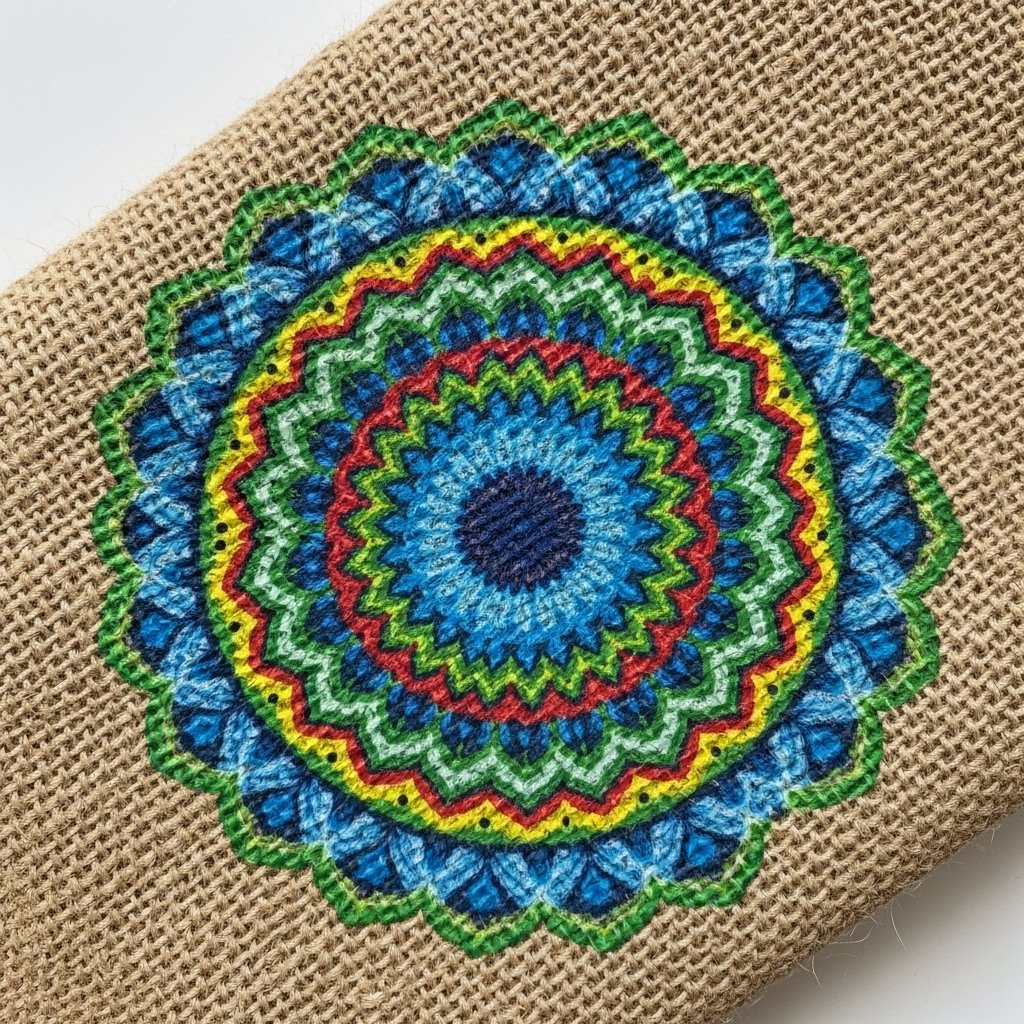
- Sublimation on Polyester: Full-color, zero-hand-feel print. Survives 20+ industrial wash cycles and repeated courier abrasion. Acceptable for both sides, though double-sided pricing is typically a 10–15% adder at factory level.
- Screen Print on Non-Woven: Feasible only for low-cycle programs (under 5 returns) or where cost per unit is the primary driver. Specify a UV-cured ink with a stretch additive; otherwise, the print will crack when the bag is folded.
- Oversized Logo and Brand Windows: Print your mark large enough to survive a customer applying packing tape over it. A 20cm-wide logo centered 5cm below the zipper ensures visibility even after a return label is stuck next to it.
- RFID Pocket Integration: A small woven slot sewn into the inner seam of the bag can house a UHF RFID tag. This isn’t just for warehouse automation—branding a bag as ‘return-ready’ with an integrated tracking chip signals premium operational care to the customer.
The per-use math changes the budget conversation. A custom branded returns bag with all the above specs costs more upfront than a corrugated mailer, but when it survives 15 returns, the per-cycle cost drops to $0.10 or less at volume. That’s before adding the revenue lift—custom branded returns packaging increases repeat purchase intent by 12%, according to internal returns experience data. The bag becomes a touchpoint, not just a container.
Branding that survives round trips is a material science problem, not a graphic design one. Standard screen printing cracks and flakes after three flex cycles because the ink sits on top of the fiber. Sublimation printing, on the other hand, embeds pigment into the polyester yarn itself. On 600D polyester, sublimation withstands 20-plus wash and abrasion cycles without fading—same process used for outdoor banner flags. For the top and bottom of the bag, a full-coverage sublimation backdrop with a single-color logo withstands scuffing better than fine halftone prints, which show wear faster.
One overlooked move: embed your prepaid return label instructions directly into the bag lining using the same sublimation process. When the bag arrives, the customer sees a permanent, unmissable message: ‘Keep this bag. Use it for your next return.’ It removes the friction of finding packaging and reinforces the reuse loop. No sticker, no loose insert that gets thrown away.
Integration with Reverse Logistics Operations
Most return workflows burn 40% of their labor budget on repackaging alone.
Reverse logistics is where packaging ROI either materializes or evaporates. A standard cardboard return touches six to eight pairs of hands between the customer’s doorstep and the warehouse shelf. Each touchpoint carries a decision: is the box still structurally sound? Does it need tape? Do we re-box it? Those micro-decisions add 90 to 120 seconds of handling per return, according to internal warehouse time-motion data from several third-party logistics providers. Swap in a heavy-duty 600D polyester returns bag with a resealable zipper closure, and that decision tree collapses. The bag is either intact or it isn’t—and at 15 to 20 cycles before failure, it almost always is.
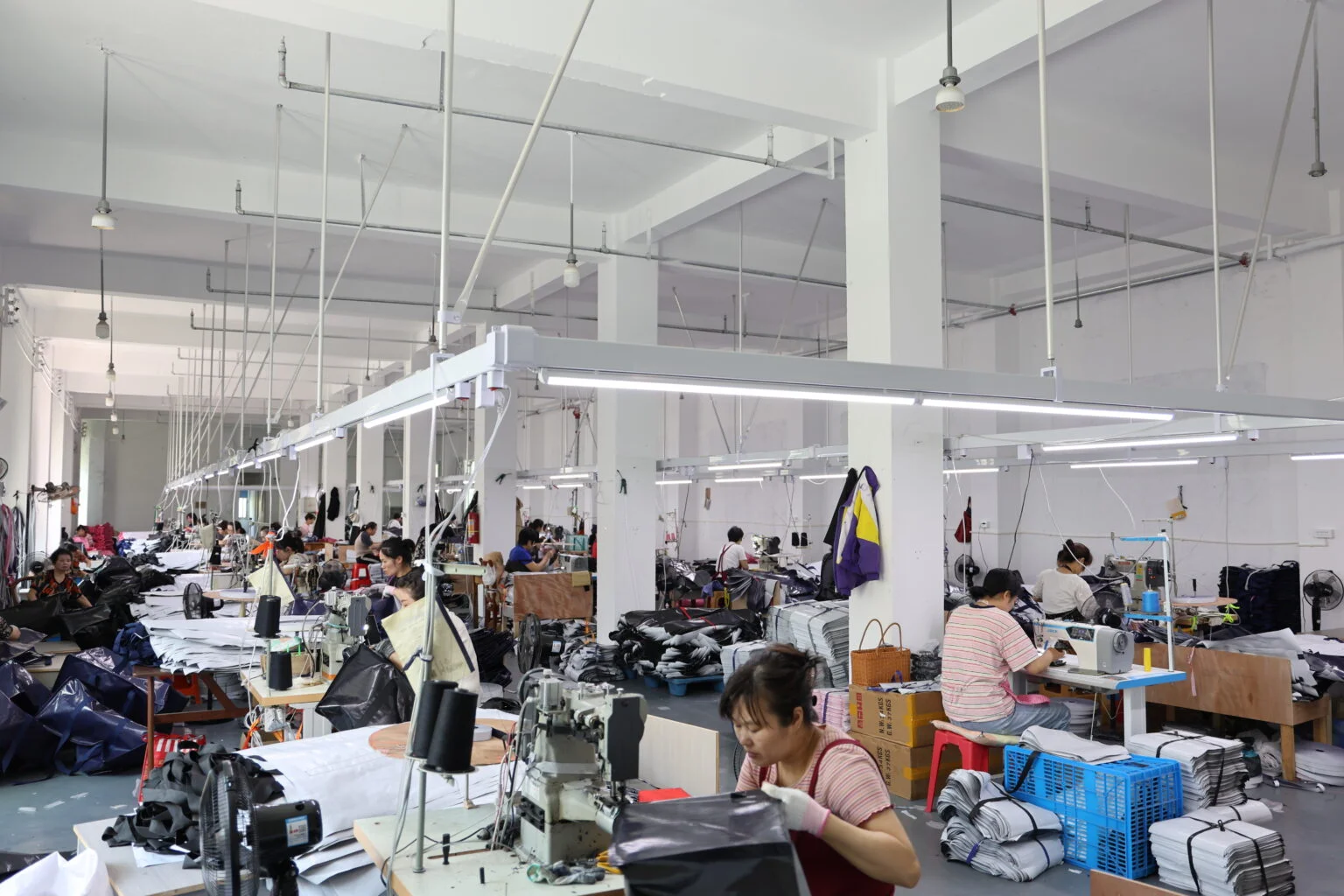
The workflow shifts from a repackaging operation to a scanning operation. The customer places the item in the same branded bag they received, seals it, and drops it at the carrier. At the returns hub, a handler scans the bag’s embedded RFID tag, confirms contents via weight check, and routes it directly to quality inspection. No box cutter. No tape gun. No corrugated waste stream to manage. This is not aspirational—it’s the current operating model at multiple mid-market apparel and footwear brands that moved to reusable returns packaging in 2026.
- Inbound arrival scan: RFID pocket on the bag auto-identifies the return before it leaves the pallet. Sorting time per unit drops from 45 seconds to under 8 seconds.
- Condition assessment: Handler inspects bag seams and zipper in under 10 seconds. No unfolding, no checking for crushed corners. Pass/fail is binary.
- Content verification: If the bag’s tear-away seal is intact, tampering flags are eliminated. Weigh station confirms item presence in 3 seconds.
- Restocking prep: Bag folds flat into a standardized return bin. It’s washed or sanitized in batch, then re-queued for the next outbound shipment cycle.
The labor math gets uncomfortable for cardboard advocates. Internal production data from factory-direct programs shows that resealable closure systems and RFID integration cut per-return handling by up to 30%. If your reverse logistics hub processes 1,000 returns per day at an average labor cost of $18 per hour, that reduction recovers roughly 50 labor hours daily. At scale, that alone covers the per-unit cost of a bag rated for 20 cycles—without factoring in the elimination of corrugated repurchasing.
One operational detail most buyers overlook: repackaging cost isn’t just tape and boxes. It’s the staging footprint. A returns bay stacked with collapsed cardboard and half-emptied boxes occupies 3x the square footage of a bin holding folded reusable bags. When peak season hits and returns volume triples, that floor space differential translates directly into overtime hours or temporary staffing costs. Bags that fold flat and stack in standardized return bins remove an entire category of warehouse congestion.
The final workflow argument is traceability. Cardboard returns move through hubs as anonymous brown boxes until someone opens them. A bag with a factory-embedded RFID pocket reports its journey from carrier scan to inspection station without human intervention. For retailers running Net Promoter Score tracking on post-return experiences, that data granularity makes the difference between knowing a return happened and knowing whether the process honored the brand promise.

Sourcing Heavy-Duty Returns Bags: A Buyer’s Checklist
Per-use cost, not unit price, determines your actual packaging ROI.
Most novice buyers fixate on the unit price of a returns bag and immediately disqualify factory-direct sourcing because the per-unit figure looks higher than distributor catalogs. That math is incomplete. A heavy-duty 600D polyester bag sourced directly from a manufacturer at a 500-unit MOQ costs more upfront than a no-name poly mailer from a packaging reseller. But that same bag completes 15 to 20 return cycles before showing meaningful wear. Amortize the cost across those cycles, and the per-use figure drops to $0.10—far below what single-use cardboard or thin poly mailers cost when you factor in reorder frequency, storage, and disposal.
Distributors serve a real function when you need 50 bags next week, in stock, no customization. They carry inventory risk so you don’t have to. The tradeoff is margin: distributors typically mark up 30% to 60% over ex-factory pricing, and you lose any say over material spec, stitch reinforcement, or branding. For a retail brand running thousands of returns per quarter, that margin compounds fast.
- Choose a distributor when: You need under 300 units, zero customization, and delivery within 5 business days. You’re running a pilot with no confirmed volume commitment.
- Choose direct manufacturing when: You need 500+ units, branded with your logo, built to a specific burst strength and seam spec, and you want control over fabric weight, closure type, and RFID pocket integration. Per-unit cost drops roughly 40% when scaling from 500 to 5,000 units.
- ASTM D3786 Burst Strength: Minimum threshold of 200 kPa for any bag you expect to complete more than 5 return cycles. Below this, the fabric fails at stress points—typically where the zipper meets the body or at the bottom gusset under load.
- Force de traction au niveau du joint : Demand a minimum of 250N. This is the force required to pull a seam apart. Most bag failures in reverse logistics are seam failures, not fabric tears. If a supplier cannot produce a seam tensile test report, walk away.
- Closure Cycle Testing: Resealable zippers should be rated for a minimum of 500 open-close cycles without tooth misalignment. This is rarely listed on spec sheets—ask for it explicitly. A zipper that fails on cycle 5 turns a reusable bag into single-use waste.
- Print Durability: If branding matters to your returns experience, specify sublimation printing tested to 20+ wash or abrasion cycles. Screen-printed logos on cheaper bags crack and flake after 3 to 4 return trips, which undermines the entire brand-retention argument.
The hidden cost of going through a distributor isn’t just the markup—it’s the inability to embed operational features that reduce reverse-logistics labor. An RFID pocket sewn into the bag at the factory level, for example, automates sorting at the returns hub and can cut per-return handling time by up to 30%. A distributor selling stock bags cannot offer that. You’d need a separate RFID tag application step, which eats the margin you thought you saved.
The most common procurement error observed in returns packaging is over-specifying fabric weight—GSM or denier—without referencing a single performance test standard. A bag can be 200GSM and tear along the seam at 180N of force, while a 180GSM bag with double-stitched reinforced seams holds past 250N. GSM tells you weight; burst strength and seam tensile force tell you whether the bag survives the sorting conveyor, the drop from a truck dock, and the end customer
Before placing a bulk order, request a pre-production sample and subject it to your own cycle test: pack it with your typical product weight, seal it, drop it from 1.5 meters onto concrete, then inspect the seams and zipper. Repeat 5 times. If the supplier’s own test data is honest, the sample should show no functional degradation. If it does, you either caught an inflated spec or a batch inconsistency—both of which are cheaper to discover on one sample than 5,000 units sitting in your warehouse.
Conclusion
Returns packaging is a direct line to your customer’s trust. A 600D polyester bag completing 15–20 cycles doesn’t just slash coût unitaires to pocket change—it turns a transaction your customer dreads into a moment where your brand feels reliable and worth returning to. When the math shows lower handling labor, fewer damaged goods, and a measurable lift in repeat purchase intent, the shift away from cardboard stops being a sustainability talking point and becomes a procurement decision with real ROI.
The next step is testing the spec against your actual reverse logistics workflow. Review fabric samples, burst-strength documentation, and RFID integration options before committing to a program design.
Questions fréquemment posées
What’s the minimum order quantity (MOQ) for custom heavy-duty returns bags?
La quantité minimale de commande (MOQ) dépend du fait que vous optiez pour une impression sur un sac standard ou que vous ayez besoin d'un sac entièrement personnalisé en termes de dimensions et de matériau. Pour les sacs standard avec logo, la quantité minimale est généralement comprise entre 300 et 500 unités, tandis que pour les sacs entièrement personnalisés, elle varie en fonction des spécifications. Veuillez confirmer la quantité minimale de commande une fois vos spécifications et votre maquette finalisées.
Puis-je imprimer mon logo des deux côtés du sac ?
Oui, les deux faces peuvent être imprimées par sérigraphie ou par transfert thermique. L'ajout de faces supplémentaires entraîne une légère augmentation du coût unitaire ; veuillez donc vérifier les tarifs en fonction de votre configuration précise. Précisez « impression recto-verso » dans votre demande de devis afin d'obtenir des devis précis.
Comment puis-je tester la résistance réelle d'un sac de retour avant de passer une commande en gros ?
Demandez un échantillon de pré-production et remplissez-le jusqu'à 80% de son poids nominal, puis soumettez-le à plusieurs cycles de chargement et de déchargement. Vérifiez que les coutures et la bande de la fermeture éclair ne s'effilochent pas après au moins 5 cycles. Effectuez un test de 5 cycles avant de passer une commande en gros.
Existe-t-il des options de tissus écologiques pour les sacs de retour ?
Le polyester recyclé (rPET) et le polypropylène tissé issu du recyclage post-consommation constituent les principaux tissus écologiques. Des certifications telles que la GRS garantissent la teneur en matériaux recyclés, et ces options sont généralement proposées à un prix plus élevé. Vérifiez la présence de la certification GRS pour vous assurer de la teneur en matériaux recyclés.
What’s the typical lead time from order to delivery?
Custom production typically takes 25–35 days, plus sea or air shipping time depending on destination. Rush orders are possible but usually incur an expedite fee. Request a dated production and shipping timeline with your quote.
When bags flow through Amazon fulfillment, the FBA packing and labeling checklist decides whether units clear the receiving dock.


0 commentaires