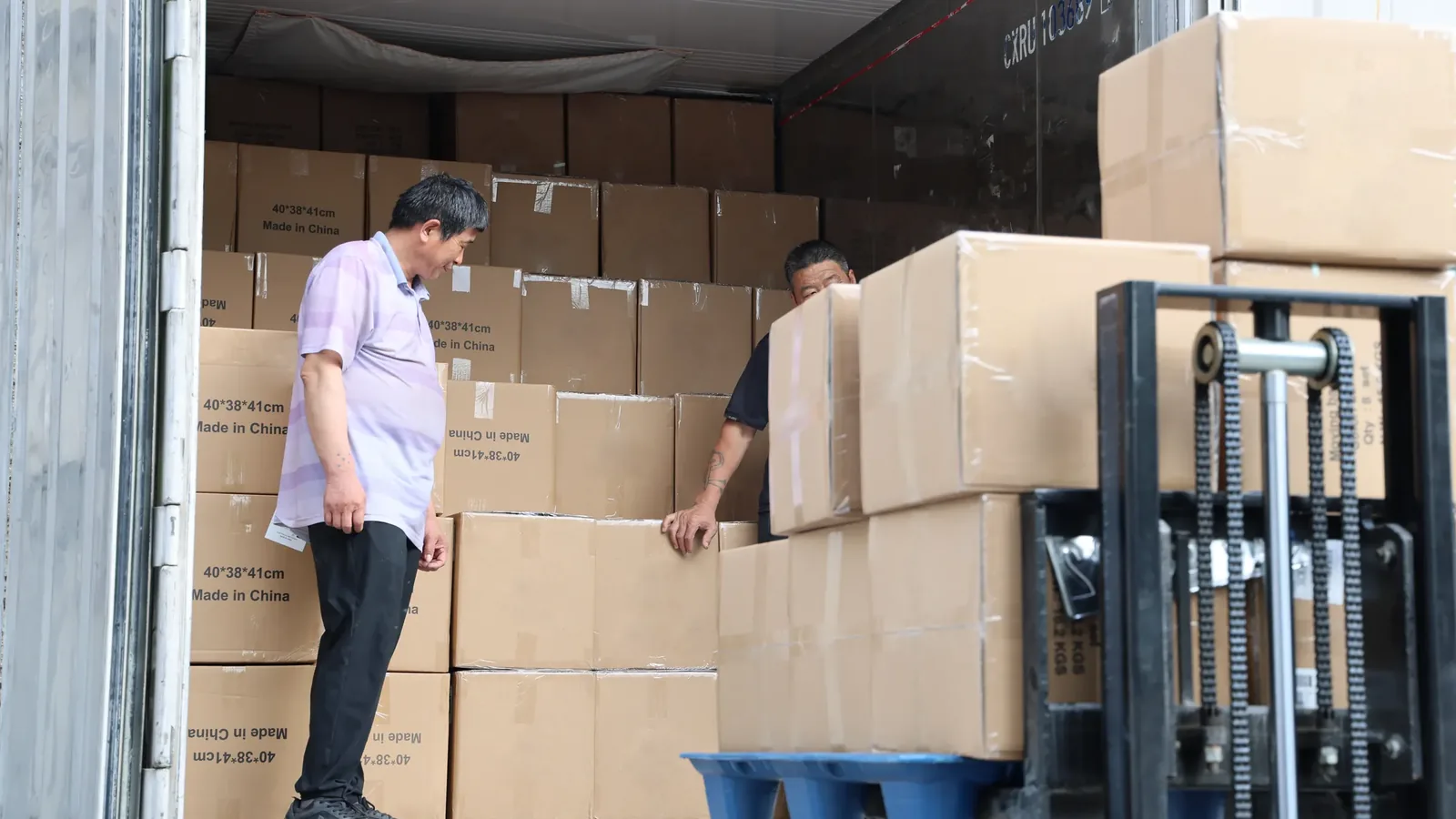
Answers drawn from the rPET shell we run on the same looms as PE and PP woven, plus the order documents that record what the yarn actually contains.
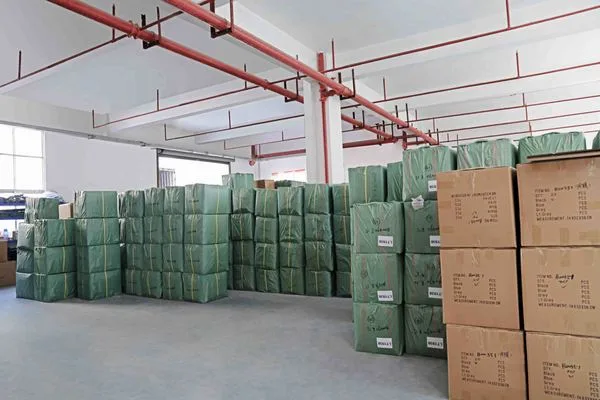
On the weaving floor, the rPET loom runs slower than the PP line next to it, and the operator checks the weft every few metres. A buyer visiting that floor for the first time stopped at the loom and asked a question the sales team had not prepared for: if the yarn comes from bottles, how does anyone know which bottle, and does it matter?
That question opened a two hour meeting. The buyer had a printed brief with five more questions inside it, and most of them were practical rather than environmental. What follows is how those questions were answered, in the order they were asked, with the evidence each one needed.
The Question That Started the Meeting

The brief was for a grocery chain replacing its low cost PE bags with a recycled option, and the buyer had already been burned once. A previous supplier printed a recycling symbol on a bag and could not produce a single document behind it. The chain pulled the bag from shelves two months after launch.
So the first question was not about material science. It was about proof. The buyer wanted to know what could be shown to a compliance team, and what could only be promised verbally. That distinction shaped every answer that followed.
Is It Really Made From Bottles, and Can You Prove It?
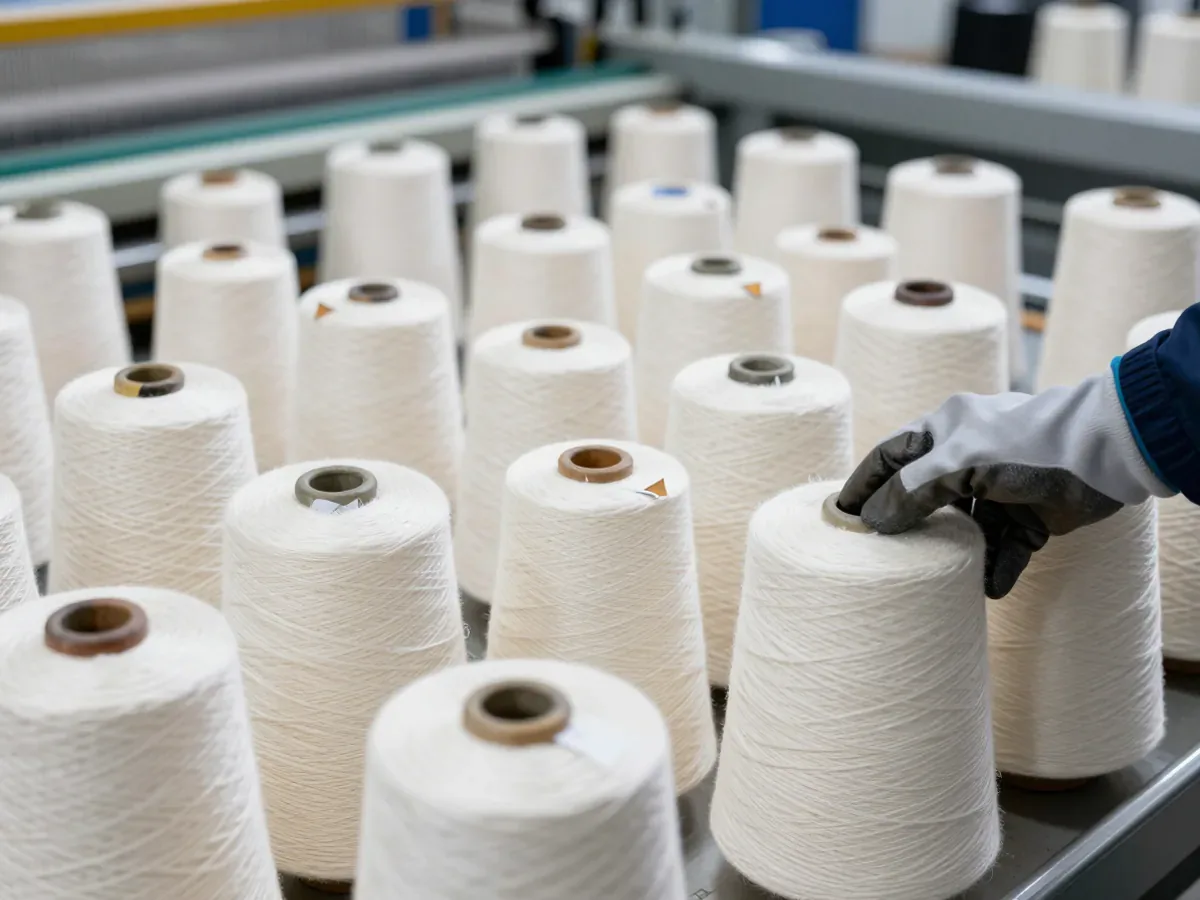
rPET is woven from recycled bottles, and the construction is the same as the other woven shells on the same floor. The bottles are collected, cleaned, shredded and spun into yarn, and the yarn arrives at the weaving mill on cones with a lot number attached.
The proof question has a narrow and honest answer. The lot number on the yarn document is the link between the bag and the batch of yarn, and the recycled content share of that specific lot is recorded on that document. It is not printed on the bag, and it is not something a factory can quote from memory.
Two things follow for a buyer. First, ask for the yarn lot record with the order, not after the claim is printed. Second, do not accept a percentage that appears in a brochure without a lot number beside it. The collection scheme behind a given yarn lot sits with the spinner, and the mill holds the lot number that points back to it.
How Does rPET Compare With the PE Bag You Already Buy?
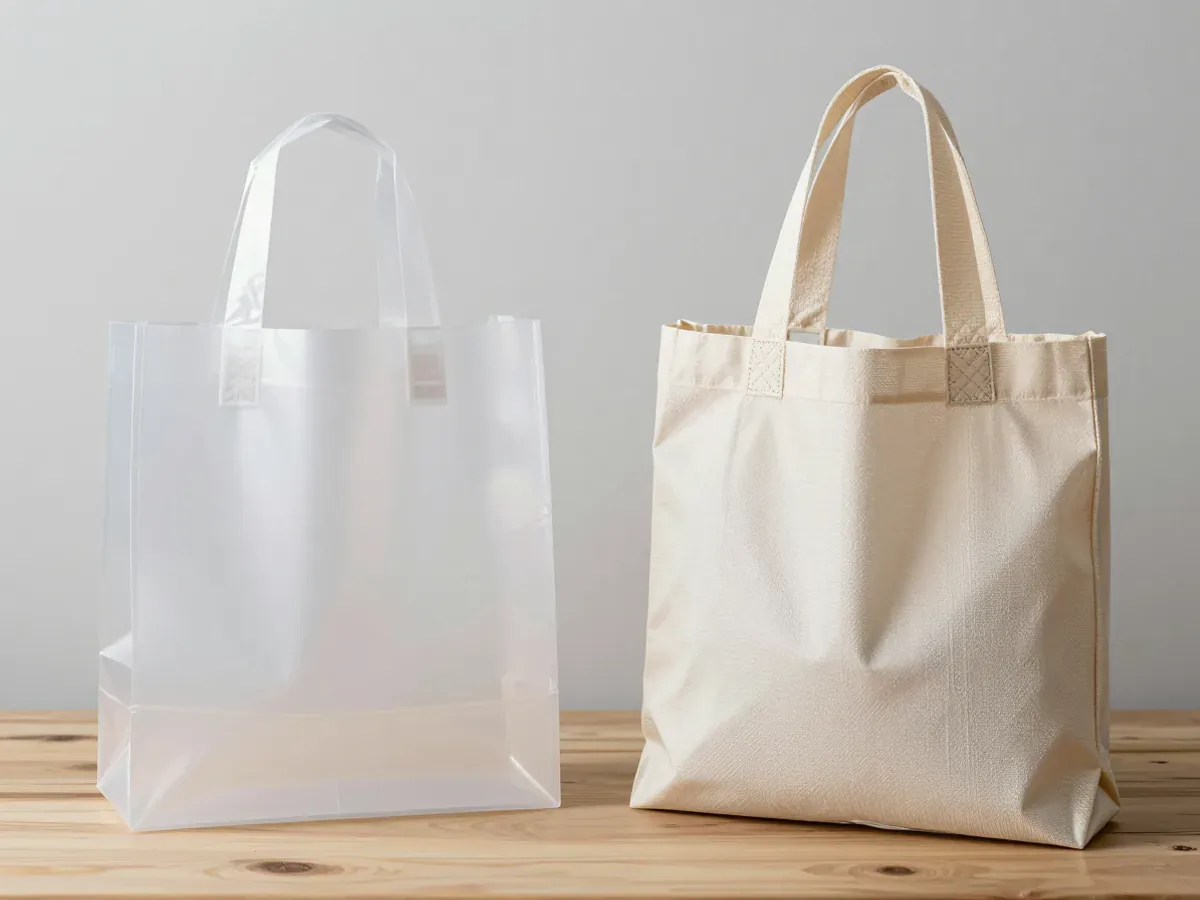
Most shopping bags in the market are polyethylene, either HDPE or LDPE. PE is lightweight, cheap and easy to print, and it is rarely biodegradable, so it usually ends up in landfill or in water. That is the baseline the buyer was replacing.
rPET changes the feedstock, not the loom. The shell is woven, the strap runs the full length of the bag rather than stopping at the handles, and the seams are stitched rather than sealed. A stitched seam resists splashes but does not make the bag waterproof, which matters if the buyer is moving from a sealed PE film bag and expects the same behaviour.
The practical comparison is therefore not bag against bag. It is what the buyer is willing to change. A woven rPET bag carries more weight and lasts longer than a thin PE bag, and it also costs more per unit and takes more space in a carton.
What Can the Buyer Change on the Bag Without Changing the Shell?
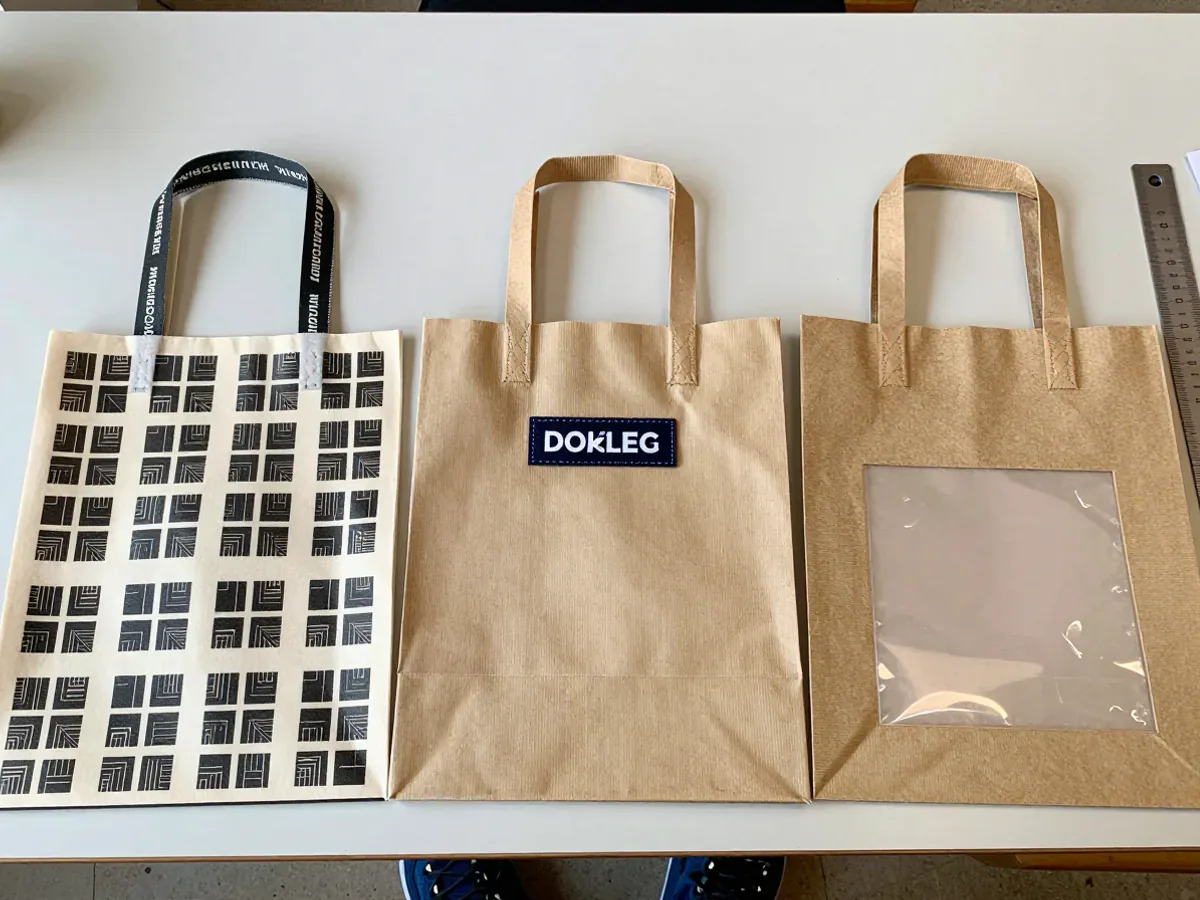
The buyer wanted to keep the shell and vary everything else across three store formats. That is workable because branding runs in three forms: screen print, woven label and retail packing. The shell stays the same, and the branding layer changes per format.
The label pocket is the part buyers underestimate. A clear pocket sized for a barcode will not fit a wider retail label, and a pocket cut for a large label looks empty with a small one. Send the label size and the pocket is sized to it, which is a one line instruction that prevents a remake.
Print position is the other variable. Screen print on a woven shell sits on a textured surface, so fine type and small logos lose definition. A buyer who needs a barcode readable at the till should put it on a label, not in the print.
Does Recycled Content Survive Printing and Packing?
The recycled content is in the yarn, and the yarn is already woven before printing begins. Printing does not remove it. What printing can do is obscure the story if the buyer prints a claim the factory cannot document.
The safer sequence is to settle the claim wording before the artwork is approved. A recycling claim printed on a bag is a public statement, and claim substantiation follows greenwashing rules in most markets the buyer sells into. The factory can supply the yarn lot record, and the buyer's compliance team decides what wording that record supports.
Packing is the quieter risk. Retail packing is one of the three branding forms, and a polybag or header card that carries a different material description from the bag itself creates a mismatch a store auditor will find. Every order passes four QC checkpoints including seams and zipper, and the packing check is where label and bag descriptions get compared.
What About Insulated and Backpack Styles?
Insulated shopping bags keep perishables at temperature using thermal insulation such as foam or a reflective lining. Pairing that insulation with an rPET outer makes the bag functional and keeps the recycled story, but the insulation is a separate material and should be described separately in any claim.
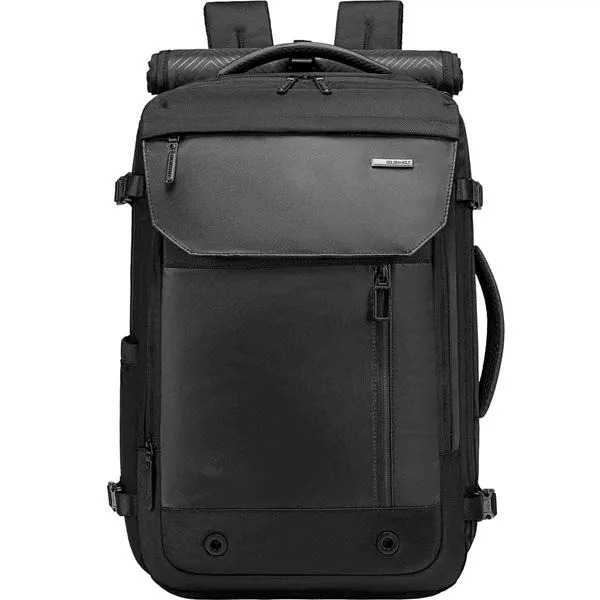
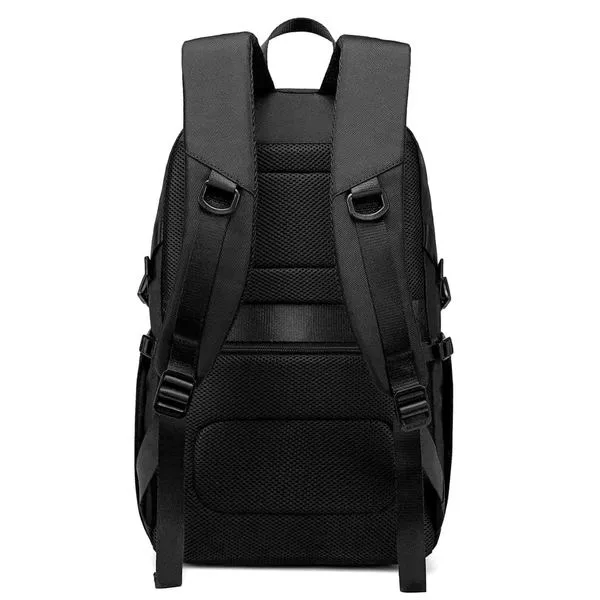
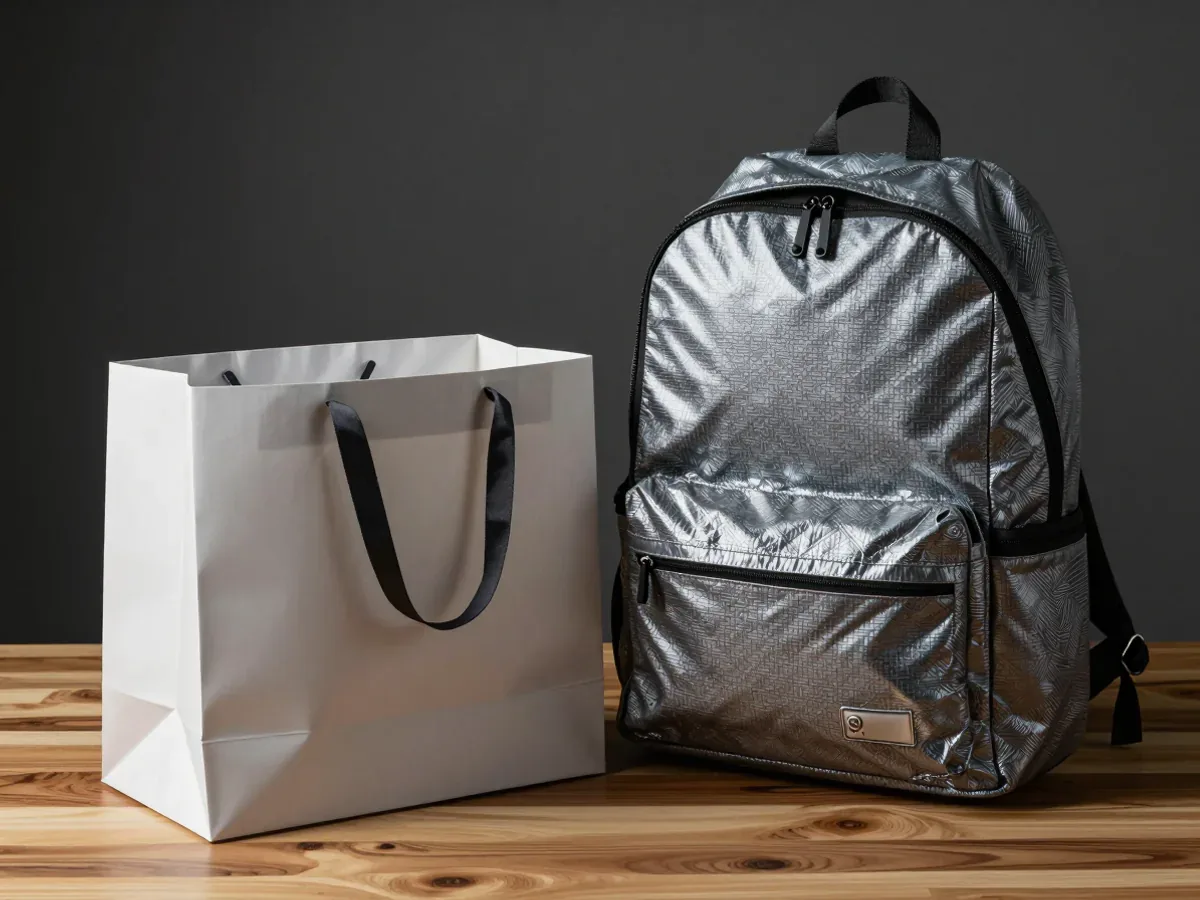
Backpacks are a different build. rPET backpacks use the same recycled PET feedstock and are sold for school, work and travel, with multiple compartments and weather resistance. The buyer in that meeting did not need backpacks, but the question came up because the same yarn feeds both lines.
The decision point is simple. If the bag must hold temperature, the insulation decides the construction and rPET is the outer shell. If the bag must carry weight over distance, the strap and seam build matter more than the shell, and the full length strap is the feature to specify.
The Question Most Buyers Ask Too Late
The meeting ended with a question the buyer had not written down. It came after the samples were on the table: what happens to the claim if the next order uses a different yarn lot with a different recycled content share?
That is the question that arrives after the artwork is approved and the shelf talker is printed. The answer is that each lot carries its own record, so a claim written around one lot may not hold for the next. A buyer who wants a stable claim should write the wording around what is always true of the material, and keep the lot specific numbers in the compliance file rather than on the bag.
FAQ
Is an rPET shopping bag biodegradable?
No. rPET is recycled PET, and PET does not biodegrade in normal conditions. The environmental benefit comes from reusing bottle material, not from the bag breaking down.
Can a recycling claim be printed on an rPET bag?
Yes, and the wording should be settled before artwork approval. The factory can provide the yarn lot record, and claim substantiation follows the greenwashing rules in the buyer's market.
Does rPET cost more than PE woven?
rPET uses the same woven construction as the other shells, and it is positioned for sustainability programs. Unit pricing depends on the specification, so compare quotes line by line rather than assuming a fixed gap.
Can the label pocket fit a barcode?
Yes, if the label or barcode size is sent with the order. The pocket is made to that size, and a pocket cut for one label will not suit a wider one.