



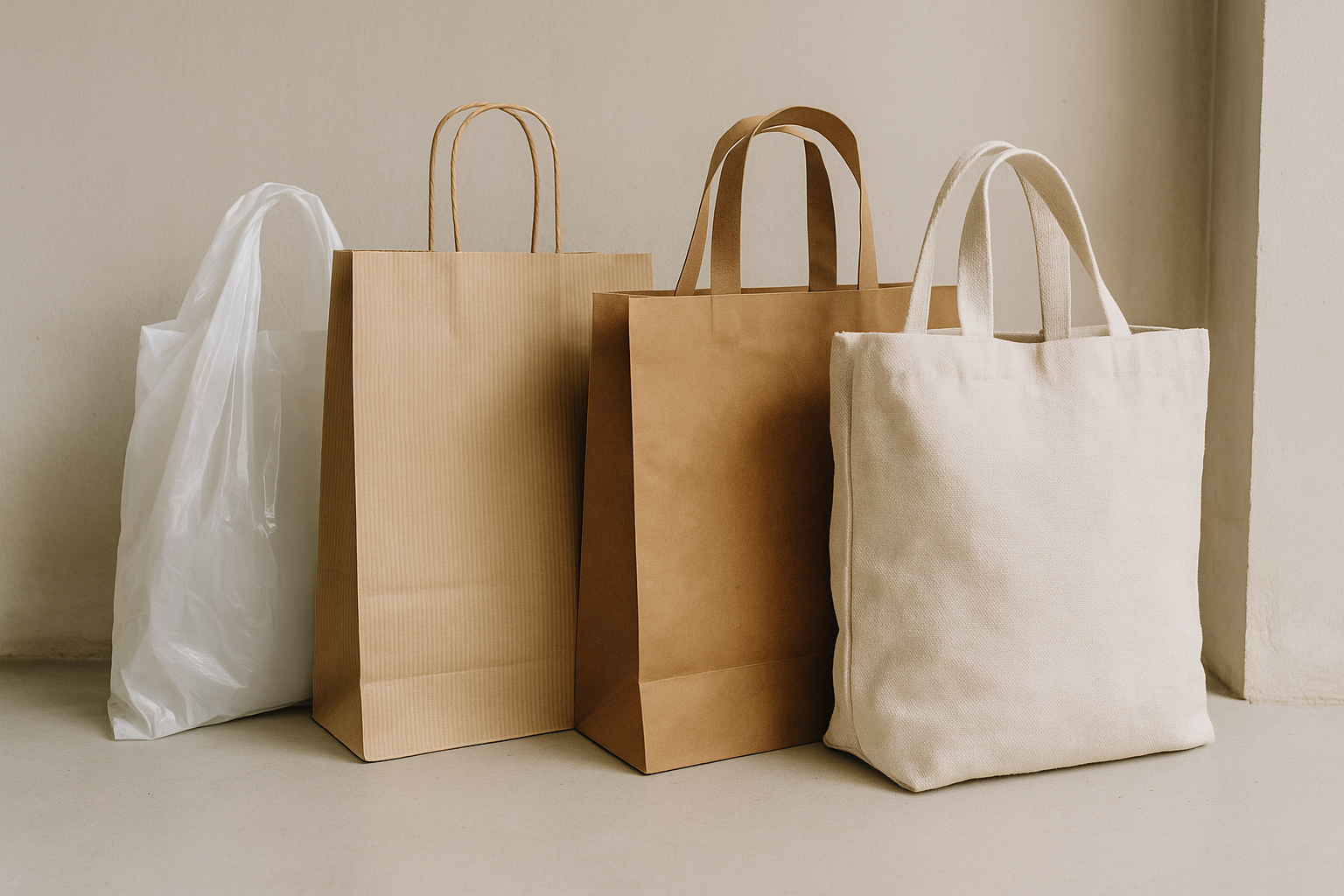
We’ve all used shopping bags, but few stop to think about their history and transformation. The shift from disposable to sustainable bags reflects bigger changes in society.
Shopping bags have evolved from single-use plastics to diverse, eco-friendly materials1, driven by fashion trends, regulations2, and sustainability concerns worldwide.
This evolution is far from over—knowing the story behind your bag might change the way you shop.
What Are the Different Types of Shopping Bags and How Do Their Materials Compare?
Plastic waste is choking our environment, pushing us to rethink the materials we use for carrying goods.
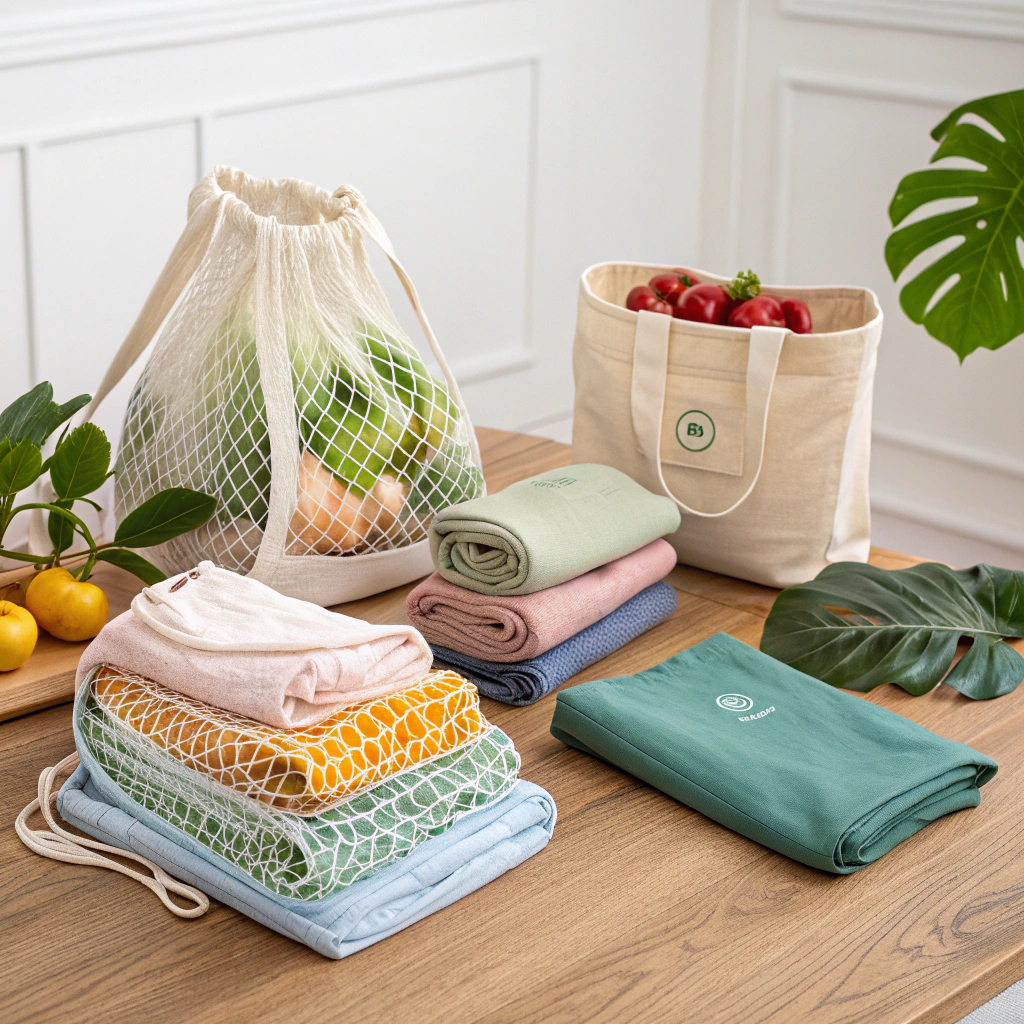
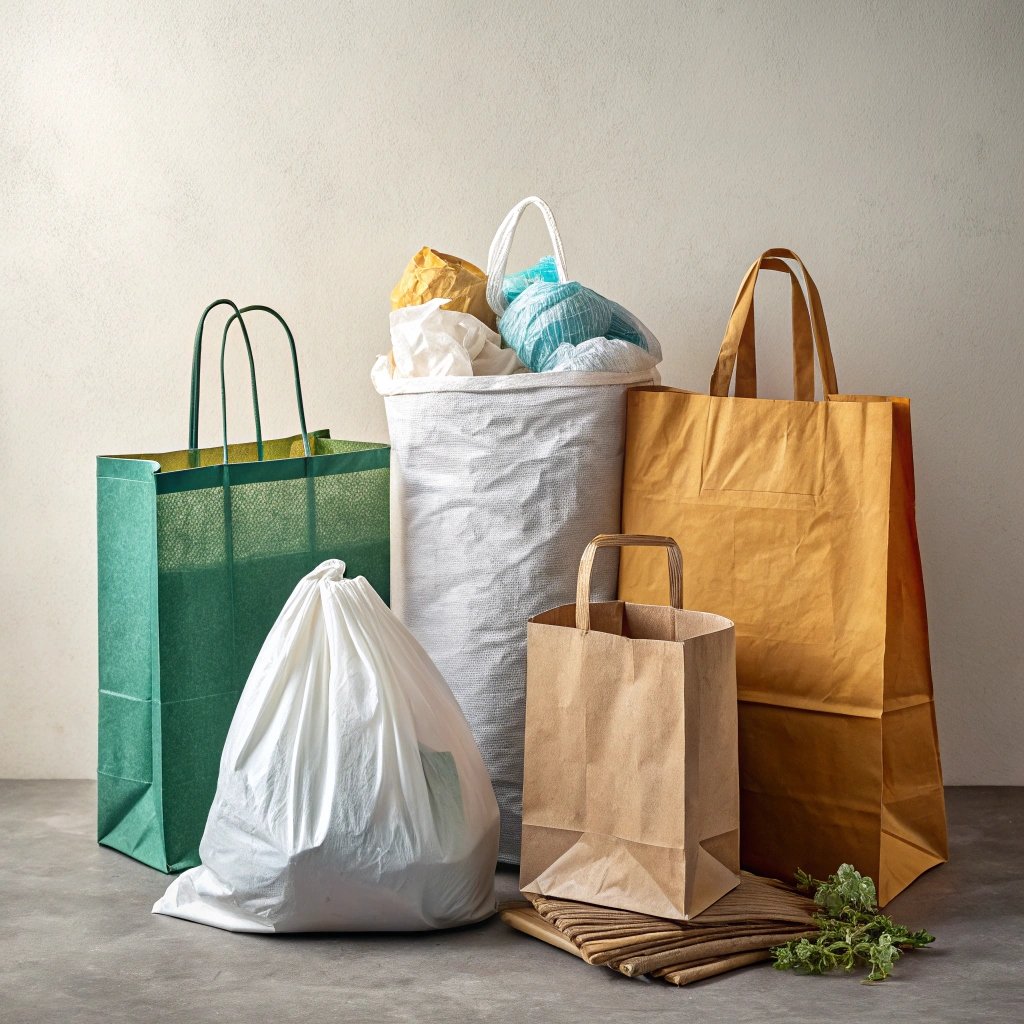
Shopping bags range from plastic to paper, cotton, jute, and RPET3, each offering different durability, cost, and environmental impact.
Understanding Materials and Their Trade-offs
Each bag type has pros and cons depending on use case, cost, and environmental effect.
Below is a quick comparison:
| Material | Durabilidad | Coste | Impacto medioambiental |
|---|---|---|---|
| Plastic (HDPE) | Alta | Bajo | High pollution, non-biodegradable |
| Paper | Bajo | Medio | Biodegradable but resource-heavy |
| Algodón | Alta | Alta | Long lifespan, but high water use |
| Yute | Alta | Medio | Biodegradable, low-resource crop |
| RPET | Alta | Medio | Recycled material, reduces waste |
From my own sourcing experience, large buyers often choose RPET or jute for promotions because these meet both eco and branding goals.
Why Are Tote Bags Considered Both Stylish and Eco-Friendly?
Plastic bans sparked the rise of tote bags, but style kept them in the spotlight.
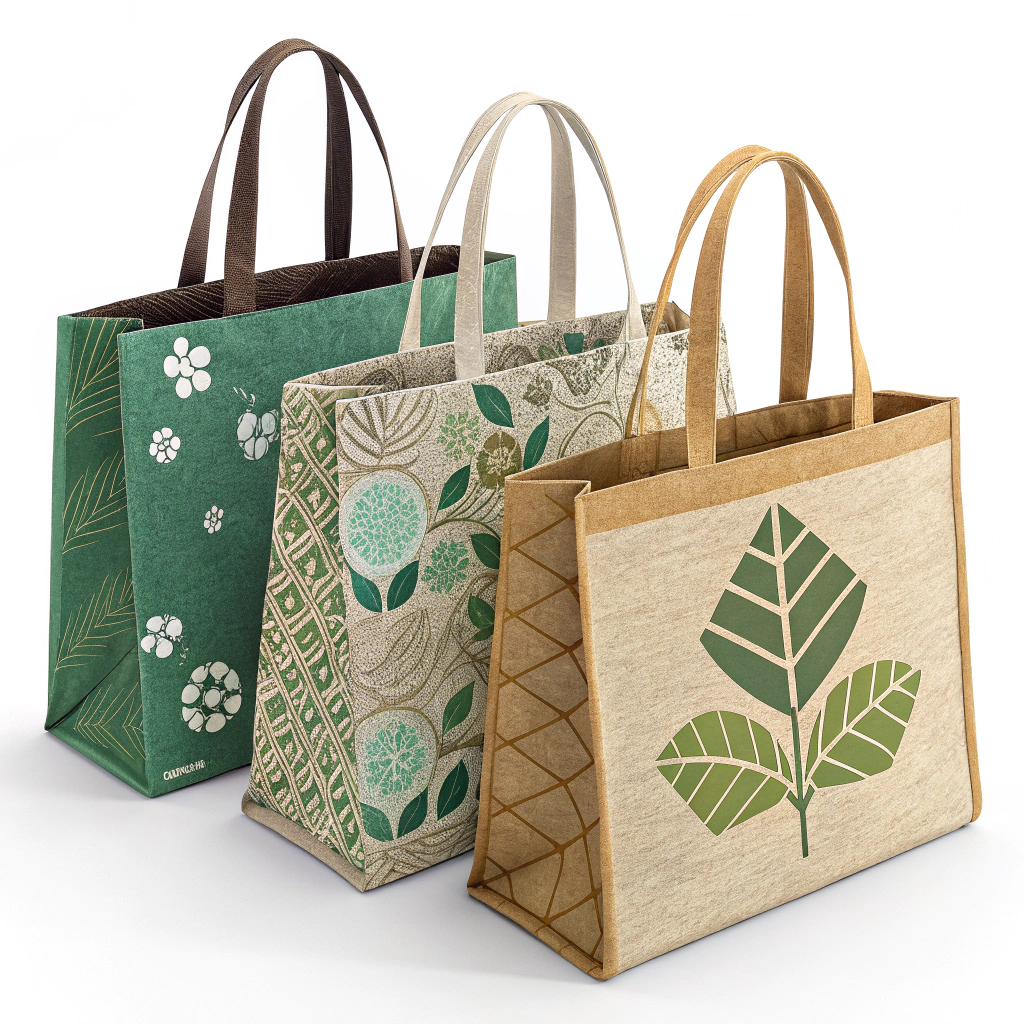
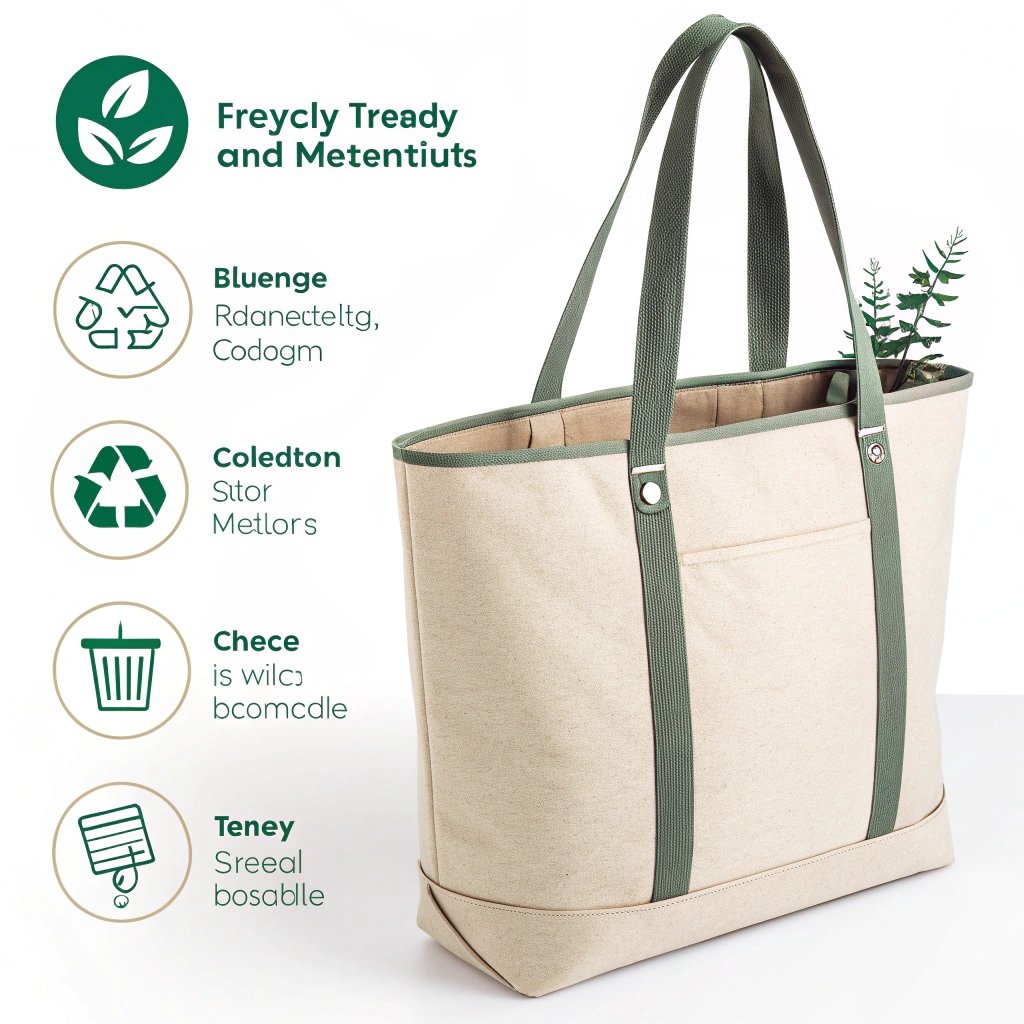
Tote bags combine practical reusability with endless branding options4, making them fashionable and sustainable at the same time.
The Dual Role of Tote Bags
Totes serve two purposes: reducing single-use waste and projecting brand identity.
I’ve seen supermarkets and luxury brands both use them—only the fabric weight and print differ.
| Característica | Beneficio |
|---|---|
| Reutilizable | Cuts down single-use plastics |
| Customizable | Promotes brand or personal style |
| Duradero | Handles heavy loads |
| Versatile | Works for shopping and daily use |
This is why clients like fitness brands and supermarkets order tote bags in bulk—they’re walking advertisements.
How Do Life Cycle Assessments Reveal the Environmental Impact of Shopping Bags?
The “eco-friendly” label can be misleading without real data.
Life Cycle Assessment (LCA)5 measures a product’s environmental impact from raw material extraction to disposal.
What LCAs Tell Us
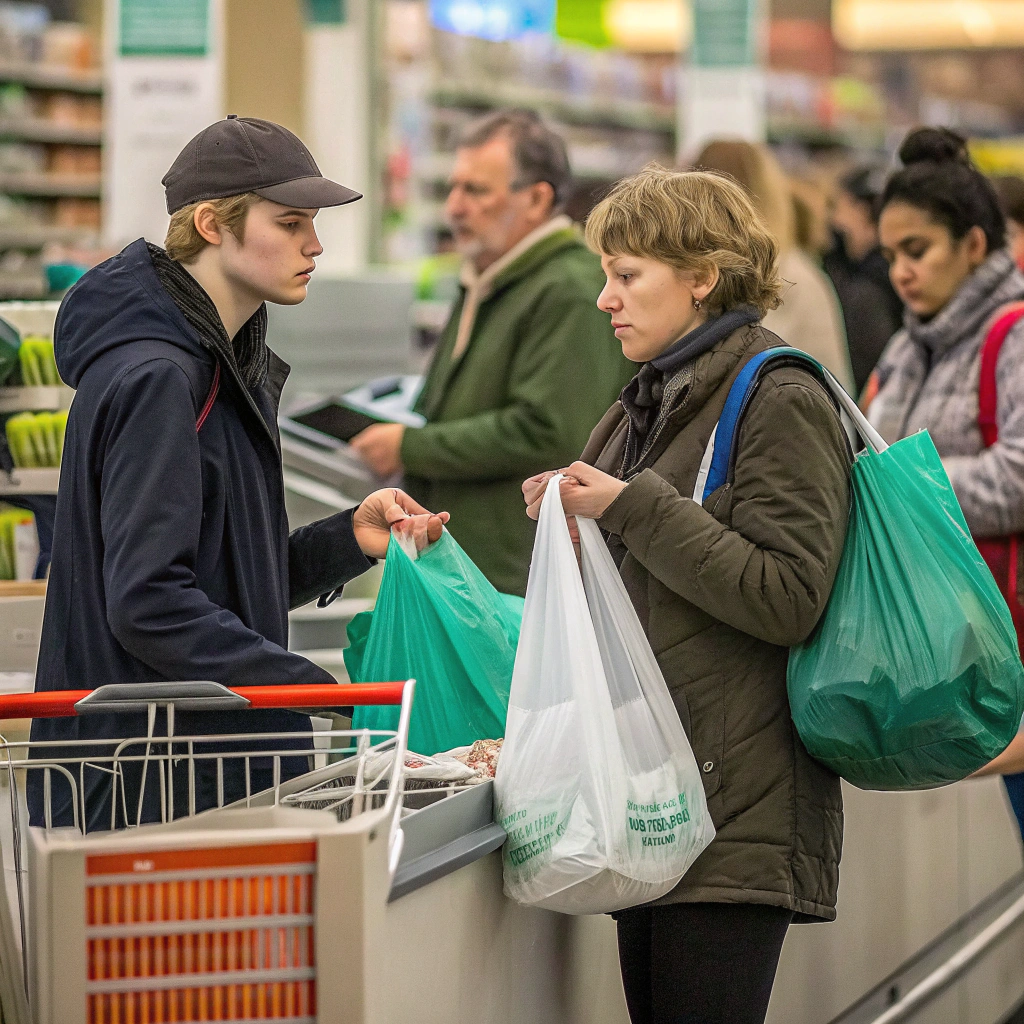
LCA results often surprise buyers: a cotton tote must be reused hundreds of times to offset its production footprint compared to a plastic bag.
| Tipo de bolsa | Reuse Times to Break Even (vs. Plastic) |
|---|---|
| Algodón | 131–327 times |
| Paper | 3–7 times |
| RPET | 2–3 times |
I advise clients to pair material choice with consumer behavior data—there’s no point in producing “green” bags if people only use them twice.
What Are the Global Regulations on Single-Use Plastic Bags?
Government action is shaping the shopping bag market as much as consumer preference.
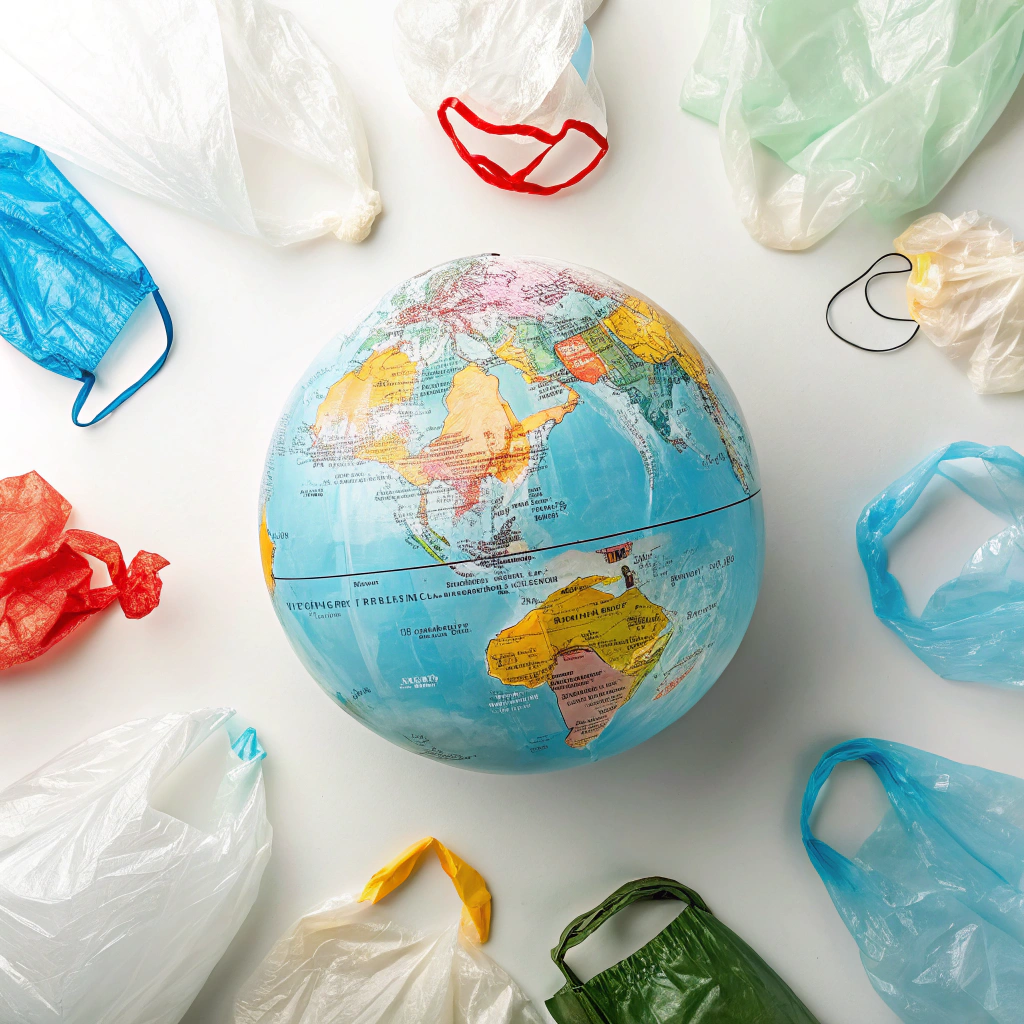
Many countries have banned or taxed single-use plastic bags to reduce environmental pollution6.
Examples of Global Action
| Country | Policy Type | Year Implemented |
|---|---|---|
| China | Ban + fees | 2008, strengthened in 2020 |
| EU members | Ban or minimum price | 2019–2021 |
| Australia | State-level bans | 2018–2020 |
| USA (varies) | State/City bans | 2014–present |
These laws don’t just ban plastics—they create opportunities for suppliers offering compliant alternatives.
How Have Shopping Bags Become a Fashion Statement?
Bags are no longer just for groceries—they’re style accessories.
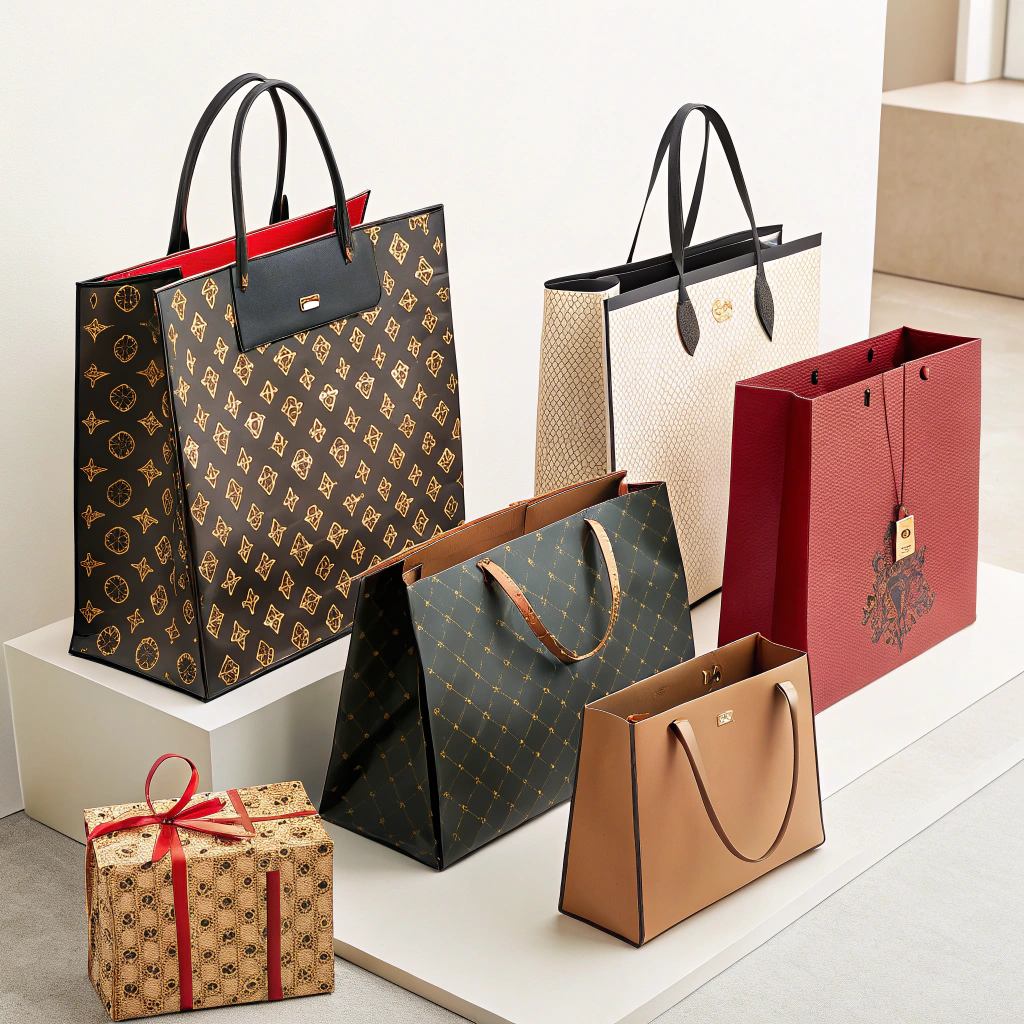
Brands now design shopping bags that double as fashion items, blending utility with aesthetics.
Fashion Meets Function
From Paris boutiques to Tokyo street markets, branded shopping bags signal lifestyle choices.
This is why collaborations between fashion houses and eco-material suppliers are booming.
What Hygiene and Safety Issues Are Linked to Reusable Bags?
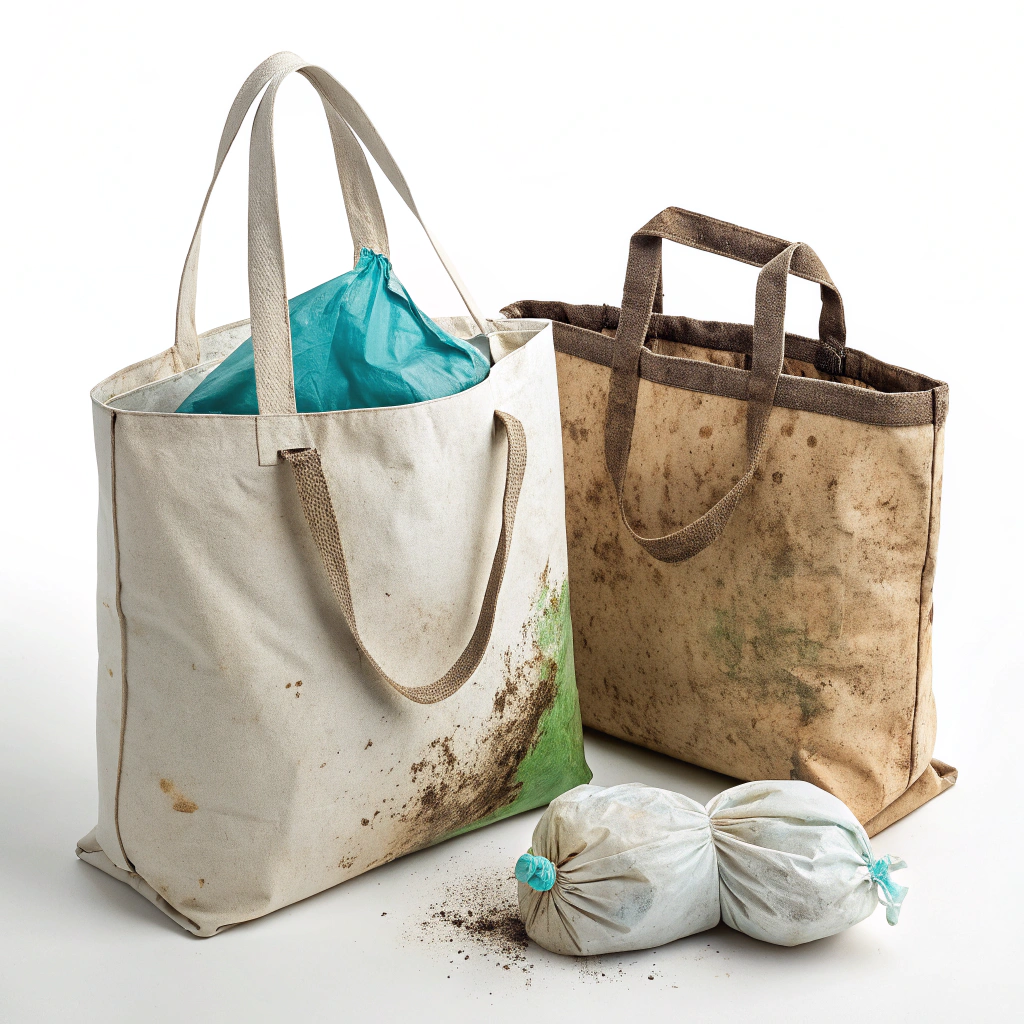
Reusable bags reduce waste, but they can harbor bacteria if neglected.
Without proper cleaning, reusable bags may accumulate harmful bacteria, posing a health risk.
Health Precautions
- Wash cotton and fabric bags regularly
- Wipe down plastic-based bags
- Avoid raw meat leakage
In the B2B market, we now offer washable RPET coatings to address these concerns.
Why Are Single-Use Plastic Bags Harmful to the Environment?
Convenience has a hidden cost.
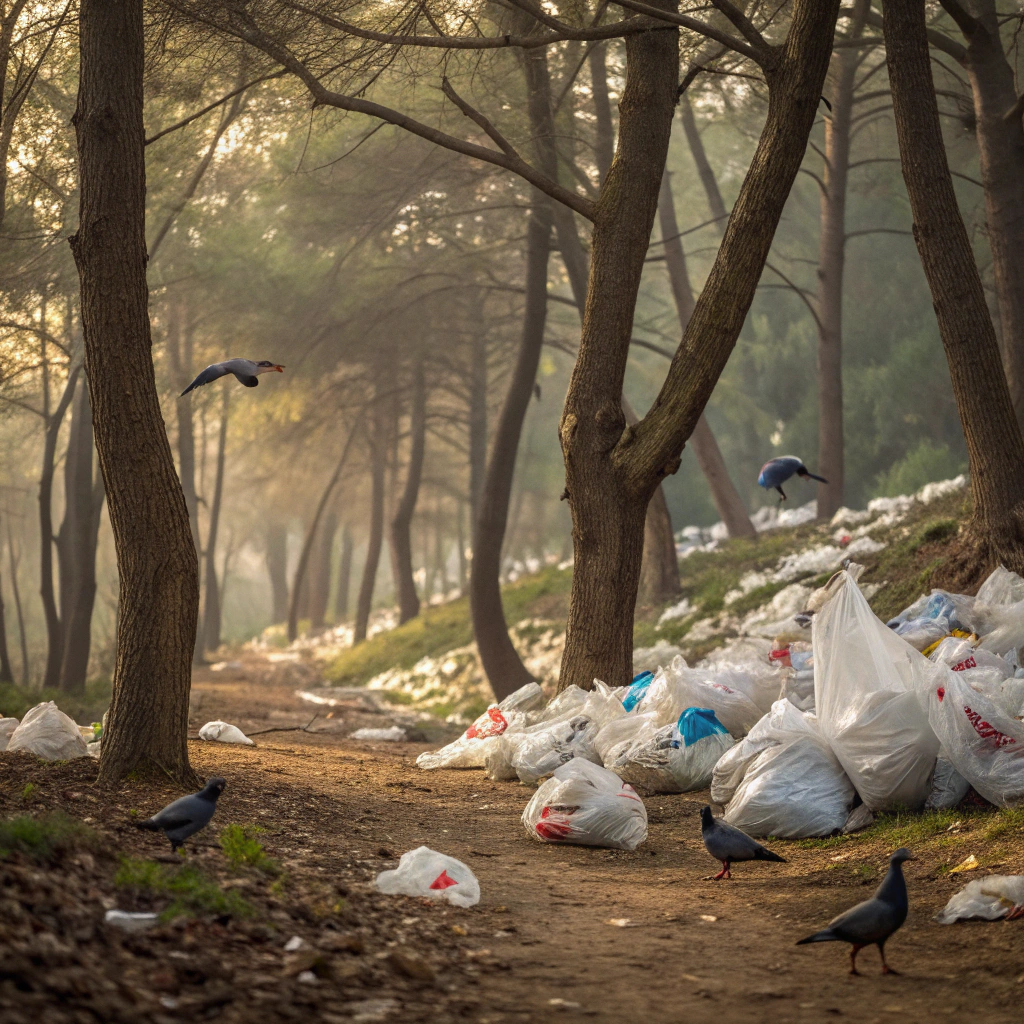
Single-use plastic bags persist in the environment for hundreds of years, harming wildlife and ecosystems.
The Bigger Picture
Plastics break into microplastics, entering food chains and even drinking water.
This is a key reason why eco-conscious clients push for recycled materials.
What Motivates or Prevents Consumers from Bringing Their Own Bags?
Even with regulations, behavior change isn’t guaranteed.
Consumer habits depend on convenience, incentives, and cultural attitudes toward sustainability.
Insights from Market Research
| Factor | Effect on Behavior |
|---|---|
| Bag fees | Increases reuse rates |
| Free bags | Reduces reuse rates |
| Public campaigns | Boosts awareness |
In markets like Europe, I’ve seen bag reuse rise quickly after small taxes were introduced.
What Innovative Materials Are Emerging for Sustainable Shopping Bags?
Material innovation is driving the next big change in the industry.
New options include plant-based bioplastics7, mushroom leather, and algae-based fabrics for sustainable bag production.
New Material Examples
| Material | Fuente | Beneficio |
|---|---|---|
| PHA bioplastic | Bacteria | Totalmente biodegradable |
| Mycelium leather | Mushrooms | Low energy production |
| Algae textiles | Seaweed | Fast-growing renewable |
Buyers are increasingly willing to test small runs of these to appeal to eco-focused consumers.
What Is the Future of Shopping Bags in a Zero-Waste Society?
The journey toward zero waste will change both design and consumer habits.
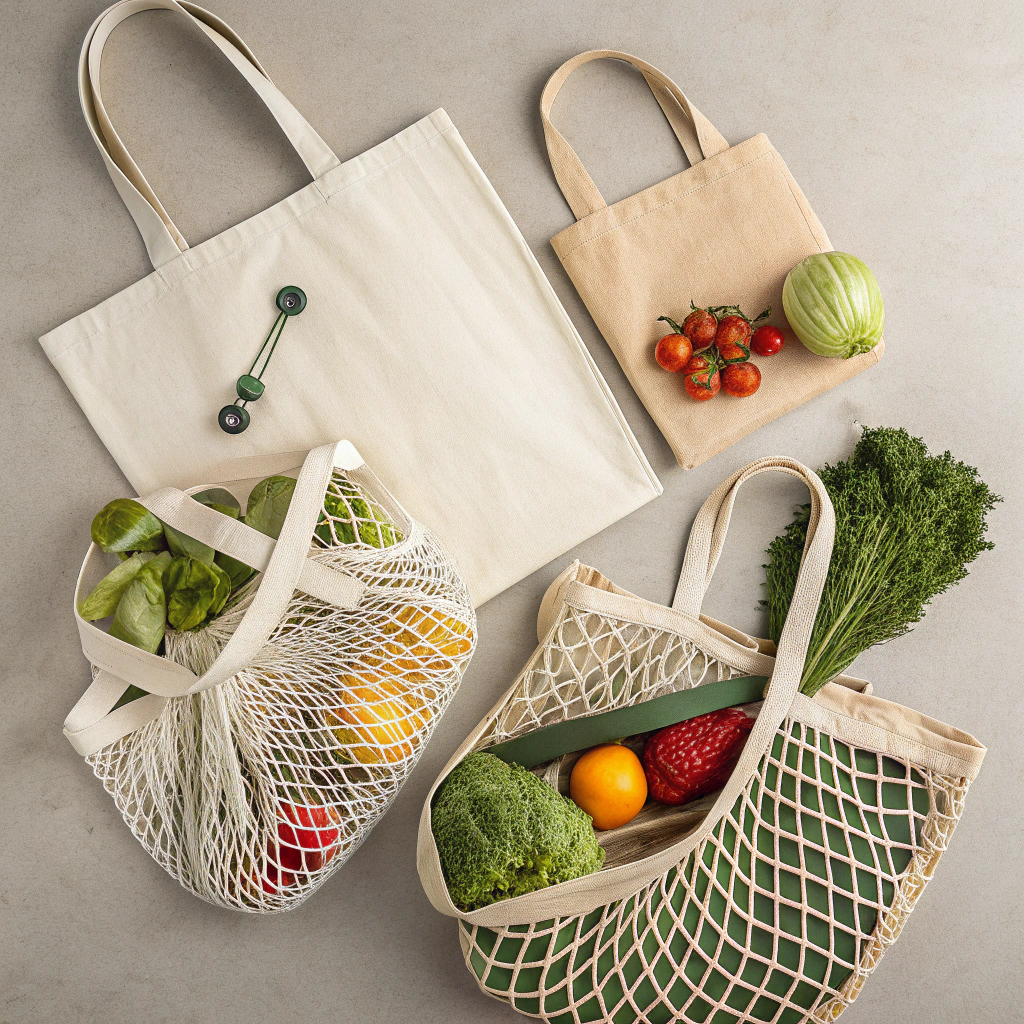
Future shopping bags may be fully compostable, endlessly reusable, or replaced by shared packaging systems.
Long-Term Vision
I see a shift toward closed-loop systems—bags that return to stores for cleaning and redistribution, cutting both waste and costs.
Conclusión
Shopping bags have shifted from disposable convenience to sustainable symbols, shaped by materials, design trends, and global policy changes.
-
Learn why eco-friendly materials are transforming the shopping bag industry. ↩
-
See how global regulations are changing bag production and sales. ↩
-
Discover how RPET supports recycling and reduces plastic waste. ↩
-
Understand how branding options make tote bags a marketing tool. ↩
-
Learn how Life Cycle Assessments measure true environmental impact. ↩
-
Find out how environmental pollution drives policy changes. ↩
-
Discover the potential of plant-based bioplastics for sustainable packaging. ↩


0 comentarios