
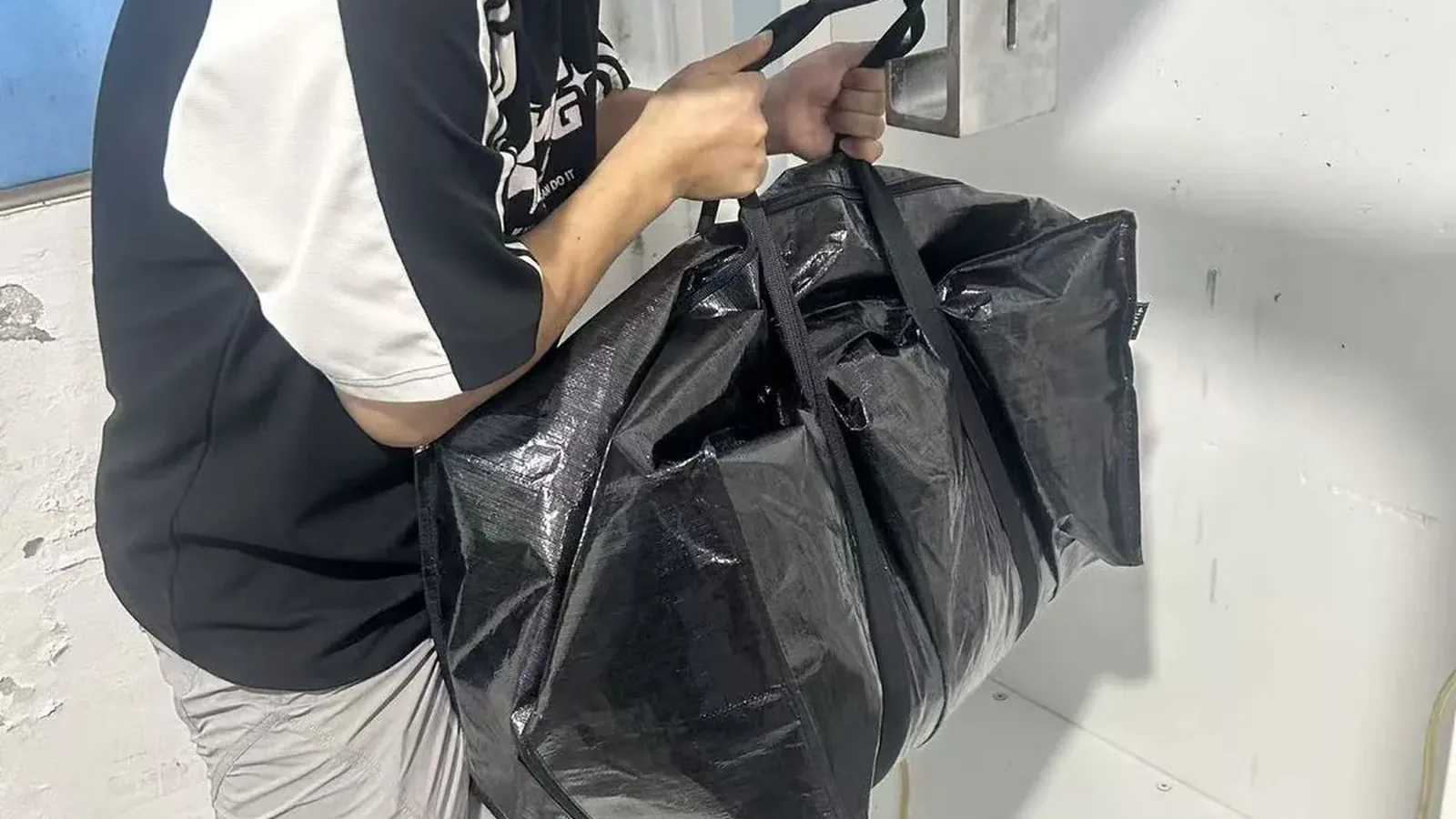
The table compares the 3 gusset builds on the points a buyer has to settle before a sample is sewn, and the last column is the one to read.
The sample round answers bag gusset construction: the seam, the handle join and the label are read on a sample before the batch. Bag gusset construction is usually written as one number, a depth in inches, and that number says nothing about the part that breaks.
Last month a sample came back from a buyer with the fold split at one corner, and the rest of the bag was untouched.
The same question keeps coming up at sample stage, once the first bag is filled and before the sheet is signed. The fold adds the depth, and the junction where the folds converge is what decides whether the bag survives a full load.
Three configurations cover production: a Side Gusset or Bottom Gusset: Where, a bottom gusset, and a bag with both. Each one changes the cut plan, the seam count and the way a full bag behaves when it is picked up.
How a gusset is built on our line
The build starts at the cutting area, because a fold is a decision about where the panel is cut rather than a step added later. A side gusset is a fold on the left and right edges that opens when the bag is filled, so the bag gains depth without gaining a defined base.
That construction is economical: 1 piece of fabric, 2 folds and a limited seam count. The seam that matters is where the gusset meets the base or the top, since that point carries the load when the bag is lifted and it is where a pull out starts.
A bottom gusset folds into the base, giving the bag a floor so it stands empty and spreading the load across the base instead of concentrating it on a seam. It costs more, with an extra fold sequence and extra seams, and the base is where cloth weight matters.
A bag with both folds consumes more material and takes a longer sewing sequence, with more junctions where the folds meet. Those junctions are the weak points, and they are where a bar tack or extra stitching earns its place.
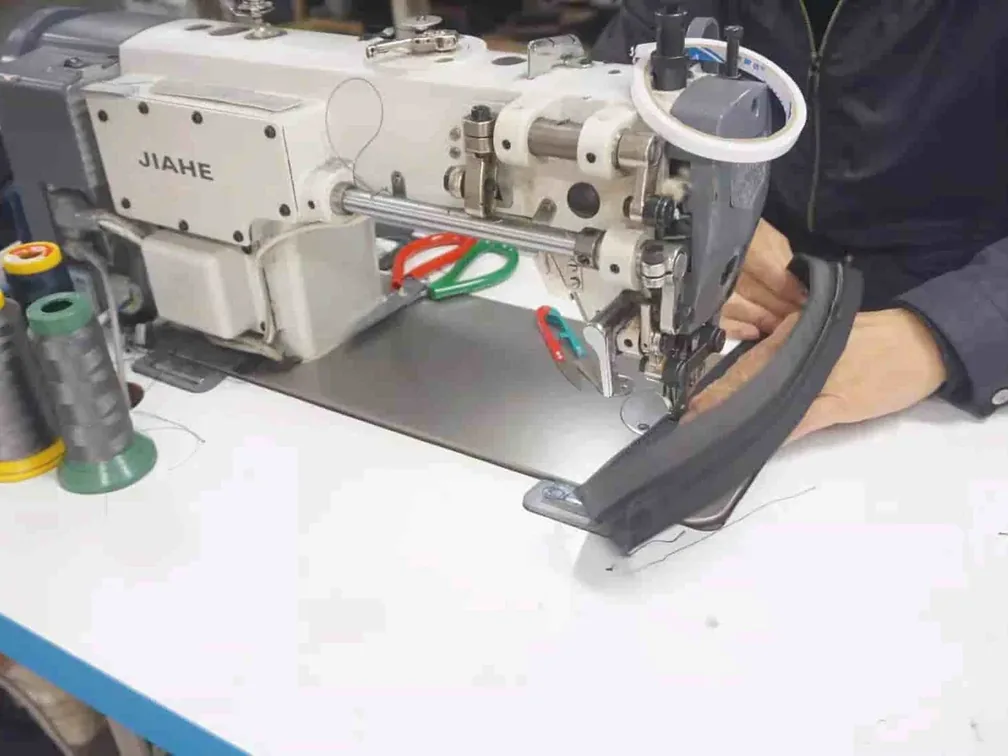
The three configurations side by side
The table compares the 3 gusset builds on the points a buyer has to settle before a sample is sewn, and the last column is the one to read first.
| Build | Depth | Base | Volume for a flat size | Seam count | Where it fails |
|---|---|---|---|---|---|
| Side gusset only | on both edges | none, so it sits flat when empty | moderate | low | the seam where the fold meets the top |
| Bottom gusset only | in the base | a defined floor | moderate | medium | the base seam under a heavy load |
| Both folds | edges and base | a floor plus depth | more than either single fold | high | the junction where the folds converge |
For a retail pack the side fold gives a predictable flat folded width, which is useful for cartoning and for a shelf. A structured tote earns its shape from the base fold, and the reinforcement at the base is what keeps that shape after a season of loads. The usable volume of a build is a claim about a filled bag, so the table is read with a load in it rather than flat.
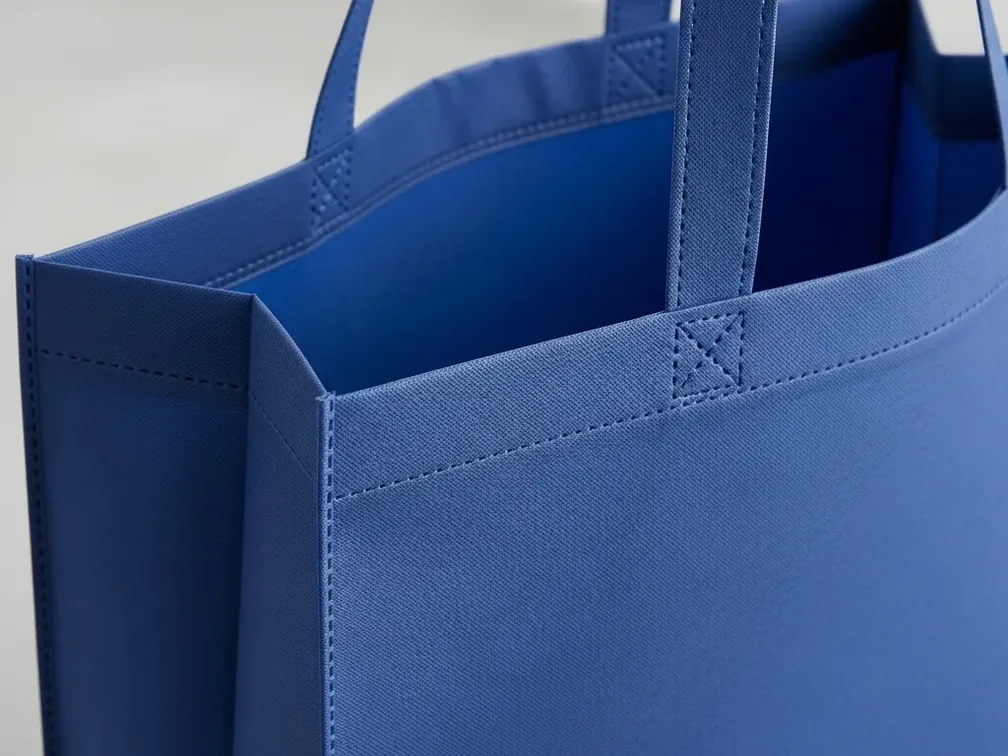
What the junction has to survive
Three details separate a gusset that lasts from one that fails, and the first is the stitch type and density at the junction. A short stitch length spreads the load better than a long one, which is why the stitch line on a sheet needs a density and not just a seam name.
The second is the fold securing method, because an unsecured fold opens under load. The third is the bar tack where the handle meets the gusset, which is the point most pull outs begin from.
Thread is the quiet variable. A thread stronger than the fabric will tear the fabric instead of breaking, which turns a repair into a ruined bag. A seam is therefore a balance rather than a maximum, and the balance is what a junction test reveals.
The test itself is defined rather than improvised. ASTM D1683 measures the sewn seam strength of a woven fabric by pulling perpendicular to the seam, which is the direction a filled gusset pulls.
This test method measures the sewn seam strength in woven fabrics by applying a force perpendicular to the sewn seams. ASTM D1683/D1683M-22, scope of the method
A load rating belongs on the finished bag rather than on a component, because the junction is where the rating is proved. The seam force method in ISO 13935-2 measures that maximum force in the same direction, so the number a buyer states has a method behind it.
Which configuration fits which job
A bag that has to stand when empty needs a base gusset, and a bag that has to flat pack into a standard carton may be better served by side gussets alone. That is the whole choice in 2 sentences, and everything else is a tolerance.
Where 1 program carries both a volume target and a load target, the gusset configuration is what reconciles them. A lighter cloth that meets the volume target may fail the load once the fold is filled, which is why the 2 specifications are decided together rather than in sequence.
The dimensional claim is where most specification errors enter. State the internal dimensions after filling rather than the flat cut size, because a flat size on a sheet produces a bag that arrives smaller than the buyer expected.
Usable volume belongs to the same discipline: test the claim with a known load rather than calculate it from the depth. A capacity figure on a sheet is only useful when the bag that produced it was filled, measured and recorded.
Questions buyers ask about gussets
Does a side gusset add the same depth as a bottom gusset?
Not the same thing at all: the side fold adds depth on the edges and gives no defined base, while a bottom fold creates a floor and spreads the load across it. A bag that has to stand when empty needs the second one.
Should dimensions be stated flat or internal?
Internal, measured after the bag is filled, because a flat cut size reads larger than the bag a customer receives. The 3 numbers go length first, then width, then depth, and each one is marked as an internal figure.
Why do gusset bags fail at the junction?
The point where the folds converge and the handle attaches concentrates the pull of the whole load. A bar tack or a reinforcement is specified at that point for exactly that reason.
Does a stronger thread make a seam stronger?
Not by itself. A thread stronger than the cloth tears the cloth rather than breaking, which makes the failure worse and less repairable. Match the thread to the fabric, then use the stitch density to carry the load.
What should a gusset specification contain?
Six lines settle it: which folds, the size when full, a weight per panel, the junction stitch and its density, and the bar tack. Nothing outside those 6 lines changes how the bag is built, which is why the sheet can stay short. The configuration and the internal dimensions come first, then a weight for the body and a separate weight for the base, then the stitch type and density at the junctions, then the reinforcement.
Reinforcement is the field that gets dropped, and it is the field the junction depends on. Our own bag sheets already carry the handles, the webbing, the zip and the label pocket as separate lines, so a reinforcement line is a natural extension of the same sheet rather than a new document.
Quality control here runs 4 checkpoints before a bag is packed, and a pull on the junction belongs inside that sequence. A bag that passes the last checkpoint with a handle pulled by hand is a bag whose load claim has been checked at the only point that matters.
How to check a gusset sample
Check the sample filled rather than flat, because a gusset only tells you anything once the fold is open.
- Fill the sample to the stated load, lift it by the handle and watch the junction rather than the body.
- Pull the handle by hand on a finished bag before packing, at the bar tack where the folds meet. – Put the 3 internal dimensions on the sheet in the order length, width and depth.
- Write the stitch density at the junctions, and reject a seam that is described only by a seam name.
- Test the volume claim with a known load and record the fill, rather than calculating it from the depth.
- Run the sample through the same 4 checkpoints as the order, with the junction check inside them.
Three pages go further on the fold. The 2 folds compared by what each does to capacity are in Side Gusset or Bottom Gusset: Where. The choice against a flat bottom tote is in Gusset Tote or Flat Bottom Tote:. The drawing and tolerance side of a bag construction document is in Bag Tech Pack Basics: The Document.
Related reading from the same line: Gusset Tote or Flat Bottom Tote:.