



Sellers shipping bags into California eventually meet the small rectangle that causes large confusion: the Proposition 65 warning label. Some factories apply it by default, some refuse to discuss it, and some importers discover the requirement from an Amazon listing takedown or a lawyer’s letter rather than from their supplier. Proposition 65 is not a product approval and not a quality certificate, it is a warning obligation with unusual enforcement mechanics, and bag importers who understand how it actually works can handle it in a single afternoon. This article explains what the law requires, when bag labels need the warning, and how to structure the responsibility between importer and factory.

What Proposition 65 Actually Requires
Proposition 65, California’s Safe Drinking Water and Toxic Enforcement Act, maintains a list of chemicals known to the state to cause cancer, birth defects or reproductive harm, and it requires businesses with ten or more employees to provide a clear and reasonable warning before exposing anyone in California to a listed chemical from their product. The law is enforced not primarily by the state but by private litigants, which is why warnings appear on products as ordinary as handbags and totes: the exposure comes from components, metal hardware containing lead, certain dyes and inks, adhesives, rather than from the bag’s core function. The official program, its chemical list and the warning content requirements are published on the California Proposition 65 warnings portal, which is the reference every importer should read directly rather than relying on factory folklore. The law’s warning-not-ban structure is its defining feature: a listed chemical does not prohibit sale, it triggers the duty to warn unless the business can show the exposure falls below the safe harbor levels.
When Do Bags Need the Warning Label?
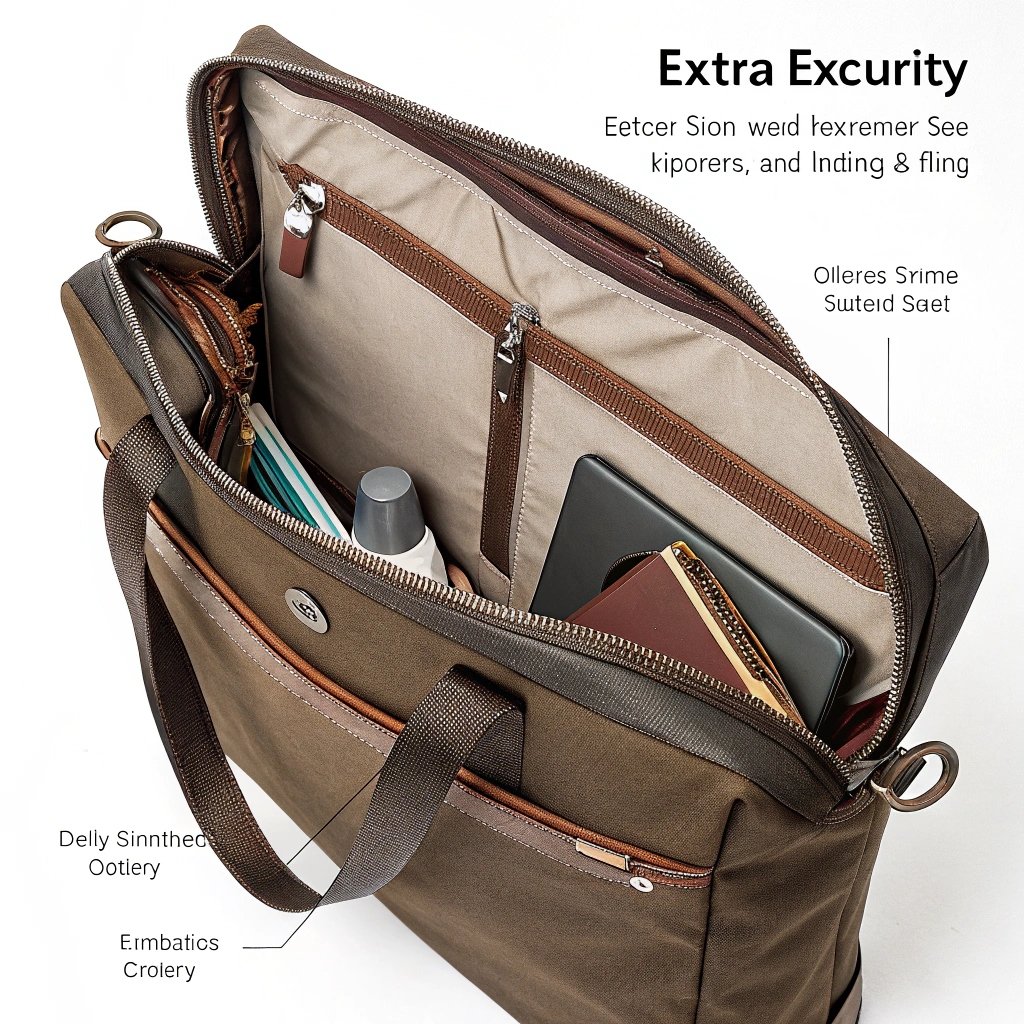
For bag programs the practical trigger analysis runs through the components. Metal hardware is the classic source: zippers, grommets, buckles and decorative fittings in certain alloys carry lead, and lead is the chemical behind most bag-related Proposition 65 cases. Inks and surface prints can contribute listed chemicals depending on the pigment system. Natural fabrics such as cotton, jute and canvas carry low inherent risk, which is why many natural-fiber programs ship without warnings once the hardware question is settled. The honest path is component testing: a laboratory screen of the hardware, inks and coatings against the listed chemicals tells the importer whether exposure levels require a warning or whether the product clears the safe harbors. Testing one representative sample per design is inexpensive relative to either a label applied unnecessarily for years or a settlement letter that arrives after a competitor reports the listing. Our quality process walks this analysis per order for California-bound programs, because the quality check steps that govern production are exactly where warning decisions get documented.
Structuring Responsibility Between Importer and Factory
Proposition 65 responsibility follows the supply chain into the importer, not the factory abroad, so the agreement between the parties matters more than good intentions. The working structure: the importer states the destination market including California in writing, the factory discloses the chemical content of hardware and prints to the best of its knowledge with test reports where available, and the two parties agree in the purchase order who applies any required warning, the factory printing it into the bag at production, or the importer labeling at its warehouse. Factories cannot run California’s exposure calculations alone, they do not know every downstream use, but they control the components, so the realistic division is disclosure from the factory and decision from the importer, usually advised by a testing laboratory or counsel; the questions to ask a supplier before relying on that disclosure are the ones in our guide to vetting shopping bag manufacturers. Importers who leave this undefined discover that neither party ordered the label, and the arrangement discovered by a notice letter is the most expensive version.
The Warning Label Done Right
When a warning is required, its content and placement follow published rules rather than improvisation. The standard warning text names California’s Proposition 65, the short-form version is permitted in defined circumstances, and the label must be conspicuous: on the product or its packaging, legible, and presented before purchase, which for online sales means the warning appears in the listing, not just on the shipped bag. For bag programs the practical execution is a printed label, a sewn-in tag or a printed line inside the bag’s branding panel, decided at the artwork stage so it does not fight the design later. Importers should keep the decision trail, the test results and the reasoning, in the product file, because a documented analysis is the difference between a routine compliance record and an unexplained warning that confuses customers.
Preguntas frecuentes
Do all bags sold in California need a Prop 65 warning?
No. The warning applies when exposure to a listed chemical exceeds safe harbor levels. Natural-fiber bags with compliant hardware often need no warning, which component testing establishes.
Which bag components usually trigger the warning?
Metal hardware, zippers, grommets and buckles in certain alloys, plus some inks and coatings. Lead in hardware drives most bag-related cases.
Who is responsible for the warning, factory or importer?
The obligation reaches the importer selling into California, so the purchase order should define disclosure from the factory and the labeling decision, made on test evidence.
Does an online listing need the warning too?
Yes. For online sales the warning must appear before purchase, in the listing, not only on the shipped bag’s packaging.
How do we test a bag design for Prop 65?
Send a representative production sample, hardware, prints and all, to a testing laboratory for a screen against the listed chemicals, and keep the report in the product file.
Video: Proposition 65 Warnings Explained
Shipping bags into California? Our shopping bag programs include component chemistry disclosure, and we print or label warnings per the importer’s written instruction.



0 comentarios