
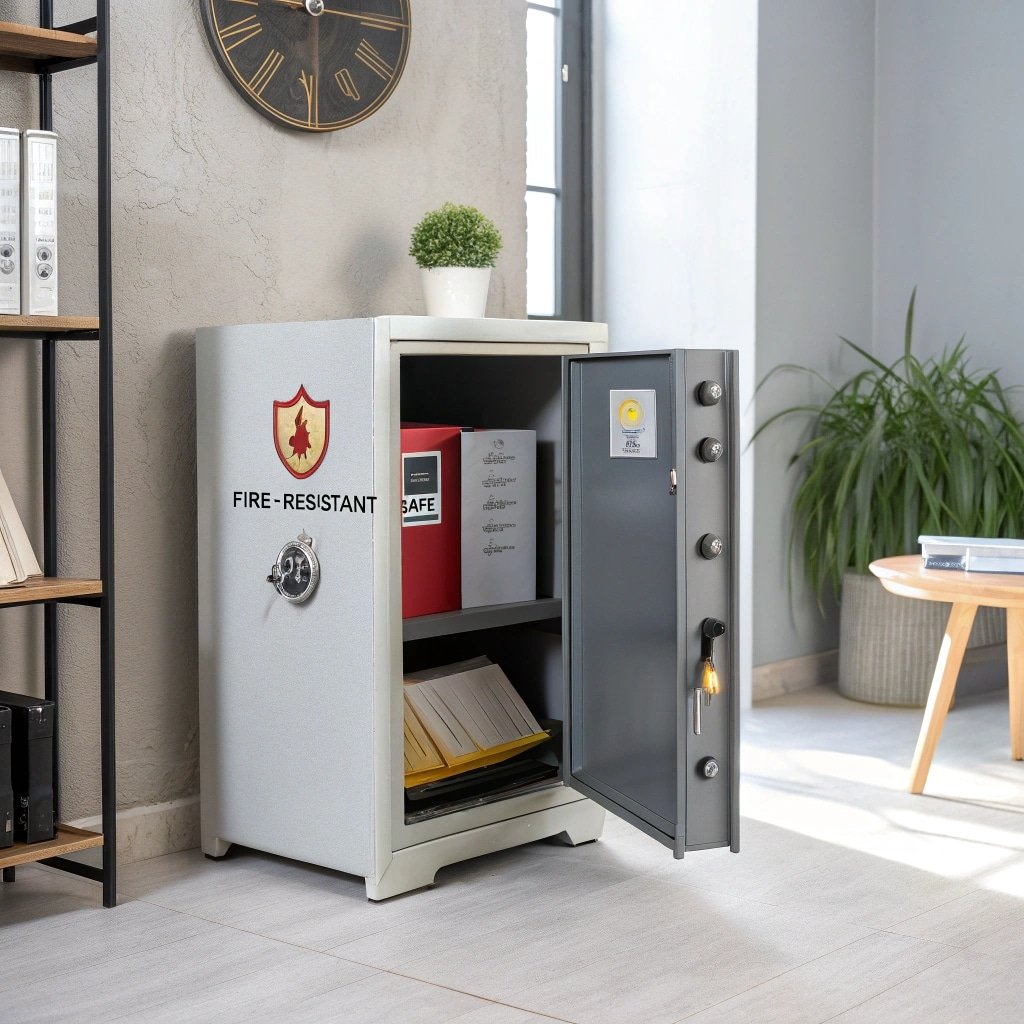
When it comes to safeguarding important documents and valuables, many people turn to fireproof safes. But do these safes truly provide the level of protection they promise in the event of a fire?
Fireproof safes can protect your belongings from fire, but their effectiveness depends on factors like fire rating1, quality, and duration of exposure to high temperatures.
Let’s dive deeper into how fireproof safes work, their limitations, and how to choose the right one for your needs.
Do Fireproof Safes Actually Work?
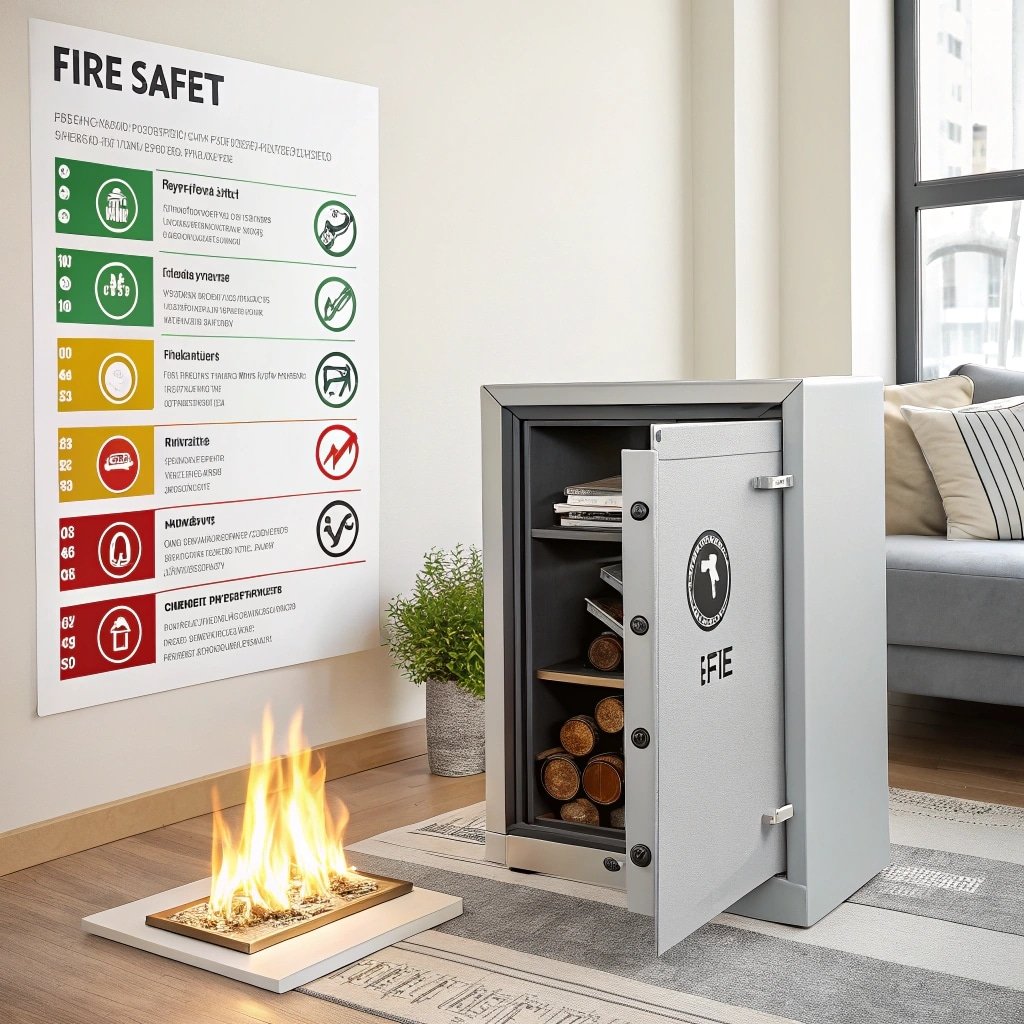
Fireproof safes are designed to withstand high temperatures, keeping your valuables safe from destruction. However, not all fireproof safes are created equal.
Fireproof safes do work, but their effectiveness is largely determined by the materials2 used, the quality of construction3, and the fire rating.
Dive Deeper: Understanding Fireproof Ratings
-
- Fireproof safes come with fire ratings that indicate how long they can withstand certain temperatures. For example, a safe rated for 1 hour at 1700°F offers better protection than one rated for 30 minutes.
-
Materials Matter
- The type of insulation inside the safe plays a significant role in its ability to protect against fire. Safes with thicker insulation typically offer more protection.
-
Time and Temperature Limits
- Even the best fireproof safes have limitations. After a certain period of exposure to extreme heat, the contents inside can still be damaged.
| Fire Rating | Protection Time |
|---|---|
| 1-Hour Rating | Protects up to 1700°F for 1 hour. |
| 2-Hour Rating | Protects up to 1850°F for 2 hours. |
| 30-Minute Rating | Protects up to 1550°F for 30 minutes. |
Fireproof safes are effective, but choosing one with an appropriate fire rating for your needs is crucial.
Will Money Burn in a Fireproof Safe?
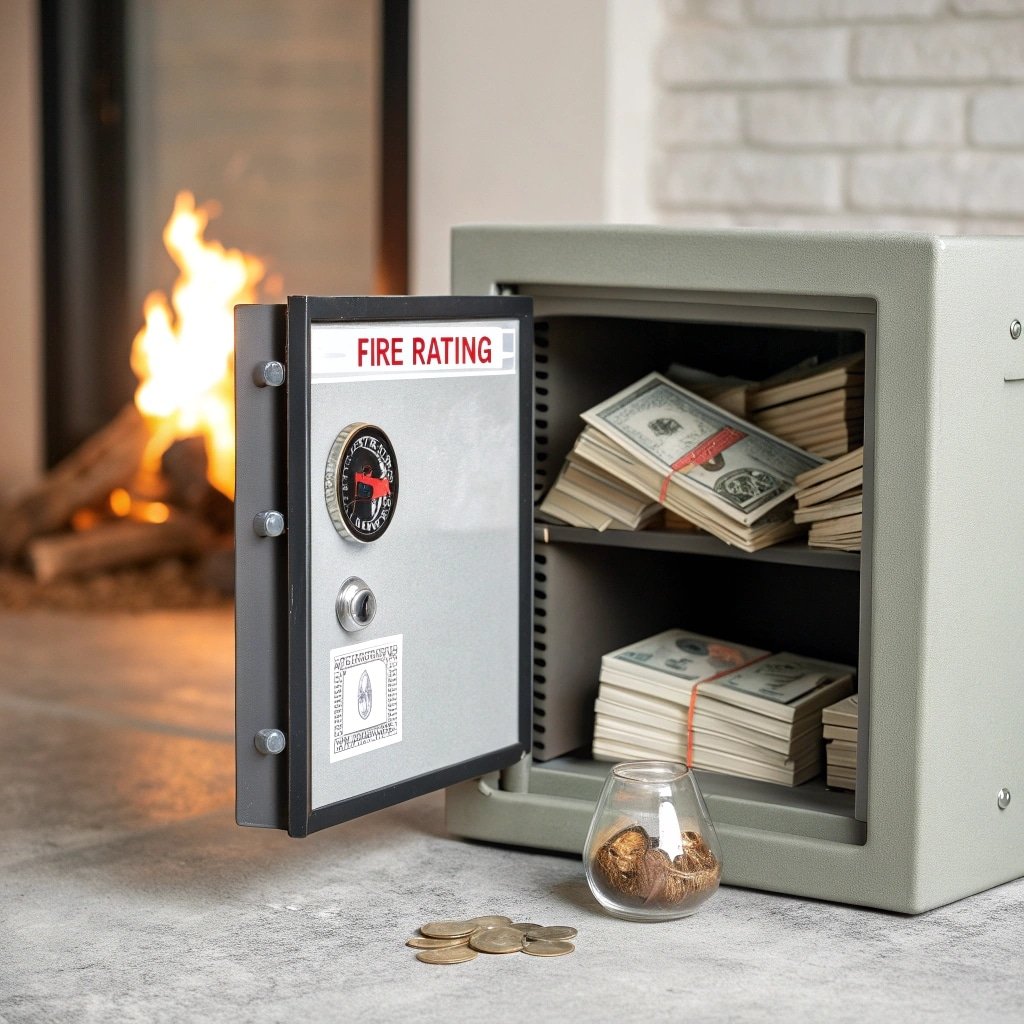
When it comes to protecting cash or important documents, many wonder if money will survive a fireproof safe in a house fire.
Money can survive in a fireproof safe, but it depends on the temperature and how long the fire lasts. Bills and documents may be damaged if the fire exceeds the safe’s temperature tolerance.
Dive Deeper: Factors Affecting Money Protection
-
- While paper money and documents are relatively resilient, they will begin to burn if exposed to temperatures above 400°F for extended periods.
-
Fire Duration
- The longer the fire burns, the more likely the safe will reach temperatures that could damage or destroy the contents.
-
Safe’s Integrity
- If the safe is compromised by extreme heat, even the most fireproof safe may allow smoke or heat to reach the contents.
| Factor | Impact on Money |
|---|---|
| Fire Duration | Longer exposure increases risk. |
| Temperature Rating | Higher temps cause faster damage. |
| Safe Construction | Thicker walls offer more protection. |
The better the fire rating and construction of the safe, the more likely your money will survive intact.
Will a Fireproof Bag Survive a House Fire?
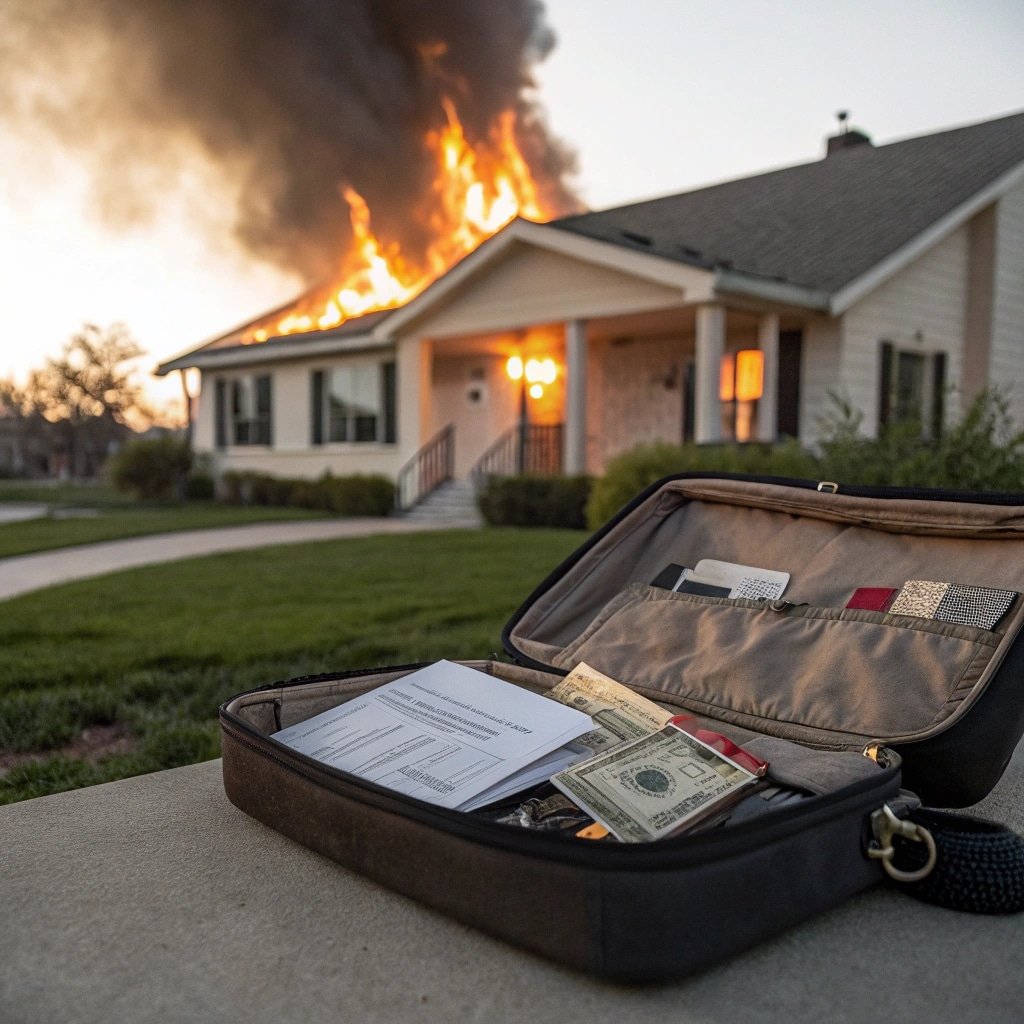
Fireproof bags are often marketed as a simple way to protect documents and valuables. But how well do they perform in a full-scale house fire?
Fireproof bags offer limited protection and are not as reliable as fireproof safes, especially in high-heat, prolonged fires.
Dive Deeper: Fireproof Bags vs. Safes
-
Limited Temperature Resistance
- Fireproof bags are typically designed to protect against brief, moderate heat exposure, but they may not withstand high-temperature fires or extended durations.
-
Material Limitations
- Most fireproof bags are made from materials like fiberglass and silicone, which can protect against brief flames but may degrade when exposed to extreme heat for longer periods.
-
Size and Convenience
- Fireproof bags are portable and convenient for carrying documents, but they offer less protection than a fireproof safe in terms of fire duration and overall security.
| Feature | Fireproof Bag | Fireproof Safe |
|---|---|---|
| Temperature Rating | Lower than safes, typically 1000°F for 30 minutes. | Higher, up to 1850°F for multiple hours. |
| Protection Level | Good for short-term or small fires. | Best for long-term and severe fire exposure. |
| Portability | Highly portable and easy to carry. | Less portable but offers higher protection. |
While fireproof bags provide some protection, they aren’t foolproof and should be considered an additional measure, not a replacement for a safe.
How Do You Protect Valuables from Fire?
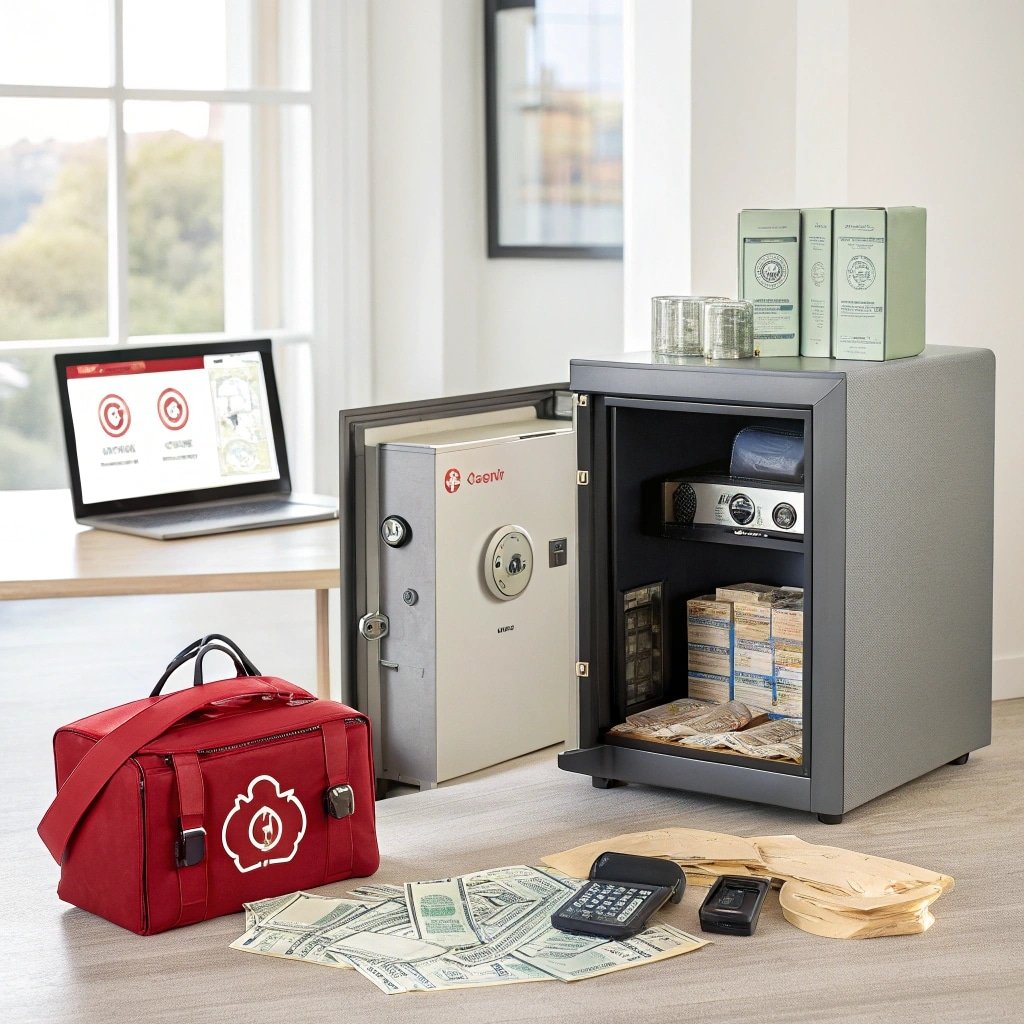
When protecting valuables from fire, it’s essential to take proactive steps to safeguard both physical objects and digital data.
To protect valuables from fire, use fireproof safes for important documents, fireproof bags for smaller items, and store digital data in cloud-based services.
Dive Deeper: Additional Protection Tips
-
Fireproof Safe for Documents
- For important paperwork, a fireproof safe with a high rating offers the best protection.
-
Fireproof Bags for Electronics
- Use fireproof bags for electronic devices and flash drives, but remember they’re less reliable than safes.
-
Backup Digital Files
- Use cloud storage to back up critical digital files. This will protect your data even if physical items are damaged in a fire.
| Protection Method | Best For |
|---|---|
| Fireproof Safe | Documents, jewelry, cash. |
| Fireproof Bags | Smaller valuables, electronics. |
| Cloud Storage | Digital files, backups. |
Combining fireproof safes and digital backups offers the most comprehensive protection.
What Not to Put in a Fireproof Safe?
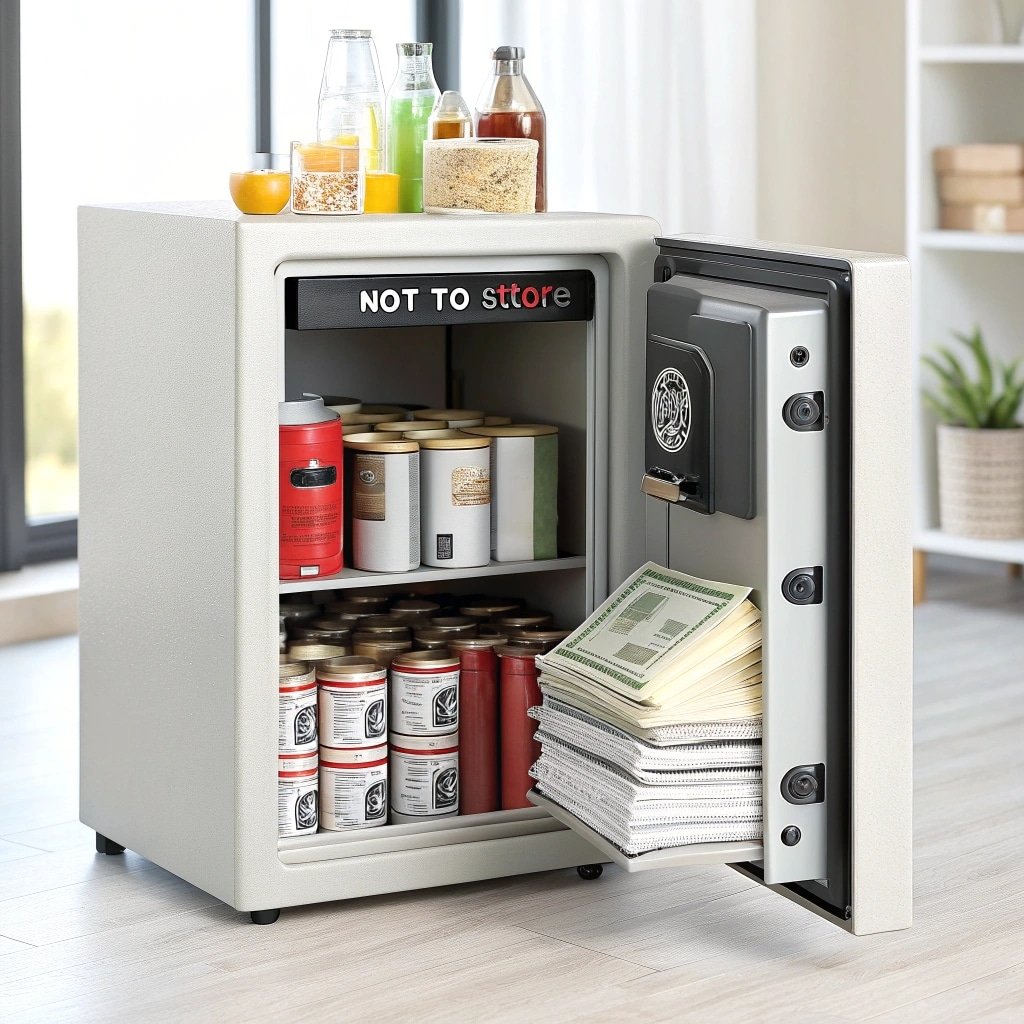
Not everything is safe to store in a fireproof safe. Some items can compromise the effectiveness of the safe or even cause damage to the contents.
Avoid storing items like food, liquids, or highly flammable materials in a fireproof safe.
Dive Deeper: Items to Avoid
-
Food and Perishable Items
- Food can attract pests and degrade over time, and it has no place in a fireproof safe.
-
Flammable Materials
- Items like matches, cleaning products, or gasoline are highly dangerous to store in a fireproof safe.
-
Electronics Without Proper Protection
- Electronics may overheat or suffer damage from prolonged exposure to heat, even in a fireproof safe.
| Item | Reason Not to Store |
|---|---|
| Food | Can degrade and attract pests. |
| Flammable Liquids | Can cause an explosion or further damage. |
| Electronics | Heat may cause malfunction or damage. |
Always check the manufacturer’s guidelines for your safe to avoid potential risks.
How Long Will a Fireproof Safe Last in a Fire?
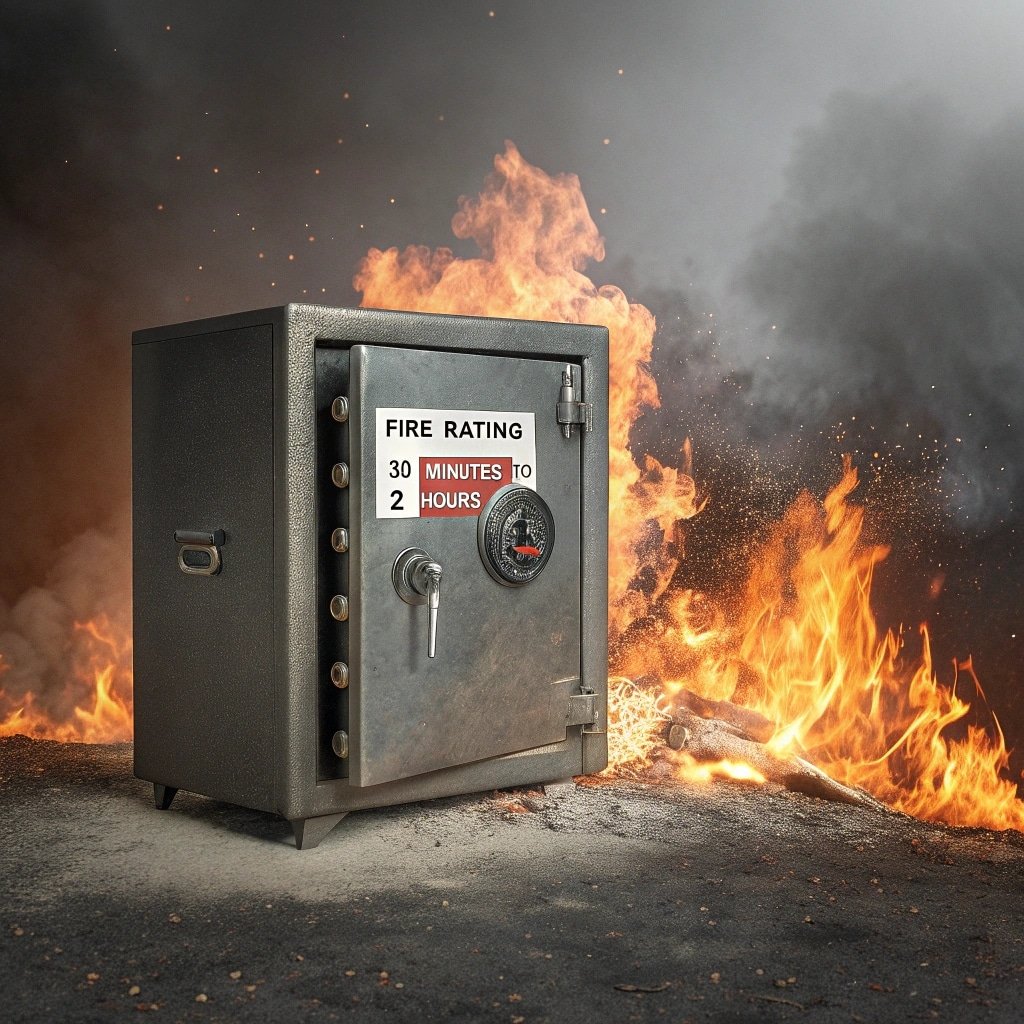
The duration a fireproof safe can withstand a fire depends on its fire rating, construction, and the temperature of the fire.
A fireproof safe can last anywhere from 30 minutes to 2 hours, depending on the rating, but it’s important to remember that no safe can withstand unlimited heat exposure.
Dive Deeper: Fire Resistance and Limitations
-
Fire Rating
- Safes with higher fire ratings offer longer protection. A 1-hour safe typically withstands 1700°F, while a 2-hour safe can endure up to 1850°F.
-
Extreme Fires
- In extreme cases, such as a house fire that exceeds 2000°F, even the best fireproof safes will eventually succumb to heat damage.
-
Compromised Integrity
- Over time, repeated exposure to heat can weaken the structural integrity of the safe.
| Fire Rating | Duration of Protection |
|---|---|
| 1-Hour Rating | Protects up to 1700°F for 1 hour. |
| 2-Hour Rating | Protects up to 1850°F for 2 hours. |
| 30-Minute Rating | Protects up to 1550°F for 30 minutes. |
While fireproof safes offer substantial protection, their capabilities have limits.
Conclusion
Fireproof safes offer valuable protection for your belongings, but their effectiveness depends on the fire rating, materials, and how long they are exposed to high temperatures. Choosing the right safe, avoiding storing flammable items, and using additional fireproof storage methods for sensitive electronics can help maximize protection. Always keep in mind that no safe is entirely fireproof.