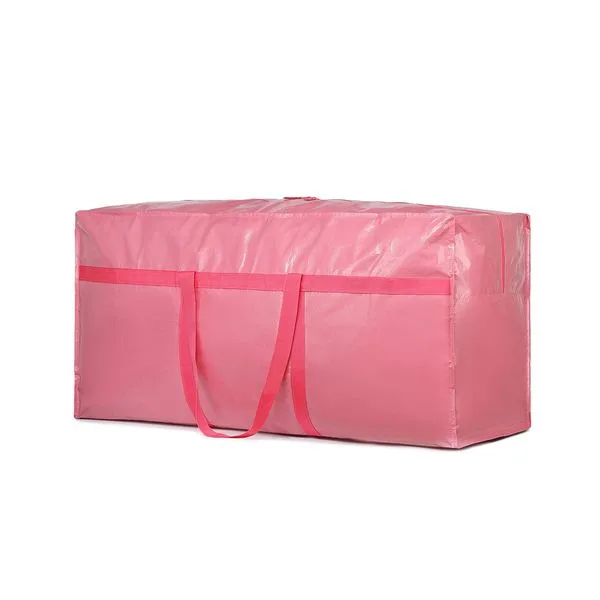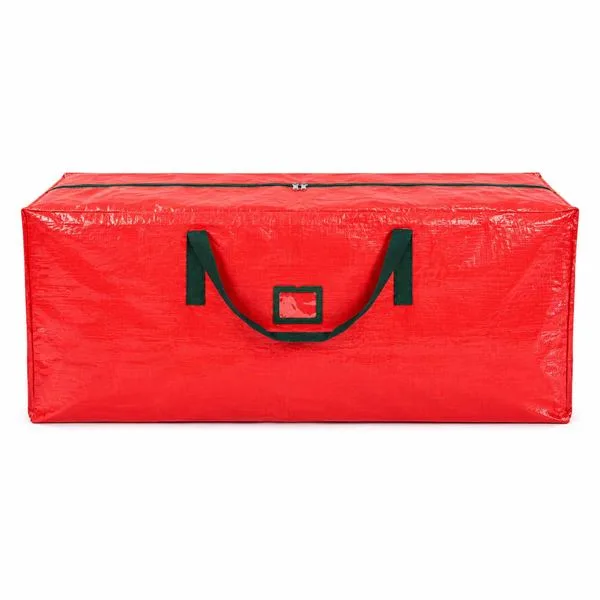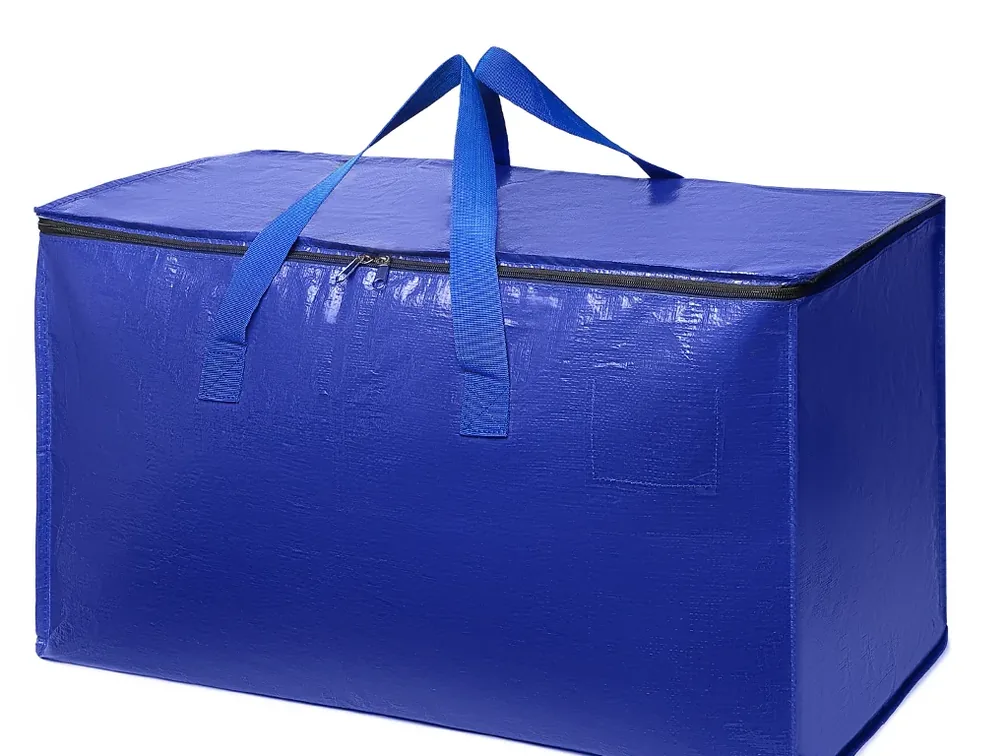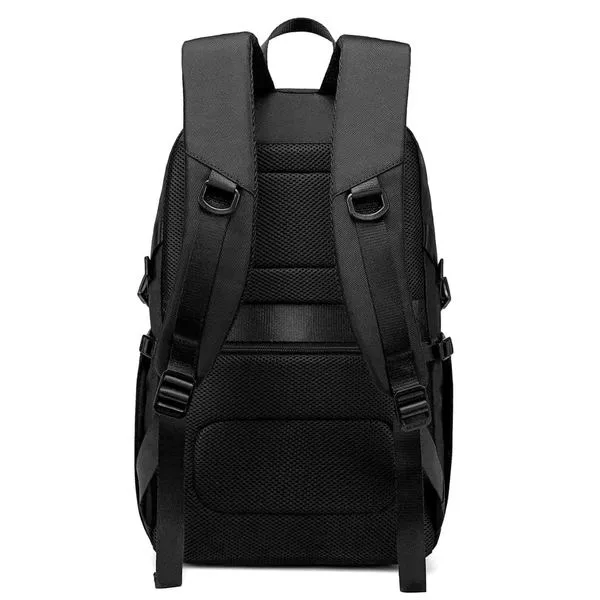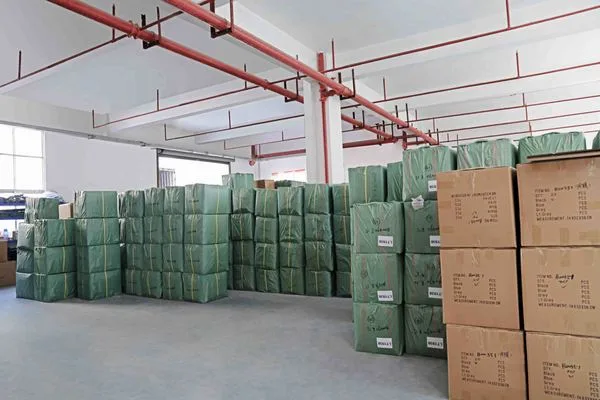
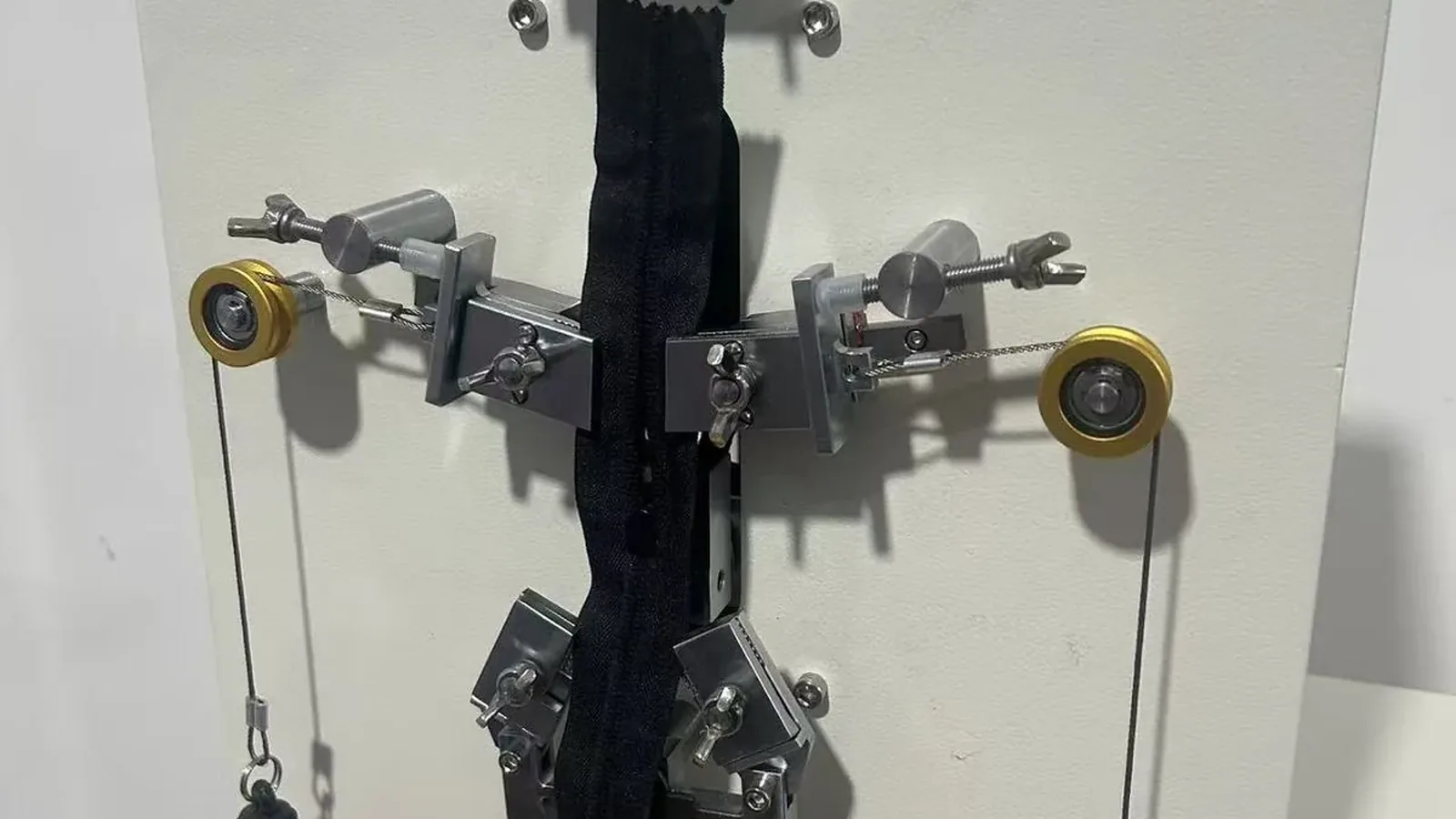
Based on legacy TIIOCTI articles on moving bag standards and the current moving bag spec sheet.
The carton label read "200 lbs tensile" in bold type, and the polybag sticker underneath said nothing at all. A sourcing manager in Rotterdam noticed the mismatch while checking a pre-shipment photo set, three days before the container was due to seal. The factory had sent a test report with the sample, and the number on it matched the number on the carton. What the report did not say, anywhere on its single page, was which standard produced that number.
That omission is where most moving bag purchase orders quietly fail. A PO can carry a strength figure, a certification request, and a lab report reference, and still leave the supplier free to choose the method behind the figure. The lines below are the ones worth writing carefully, taken in the order they usually appear on a spec sheet.
The Line That Says Tensile Strength: 200 lbs
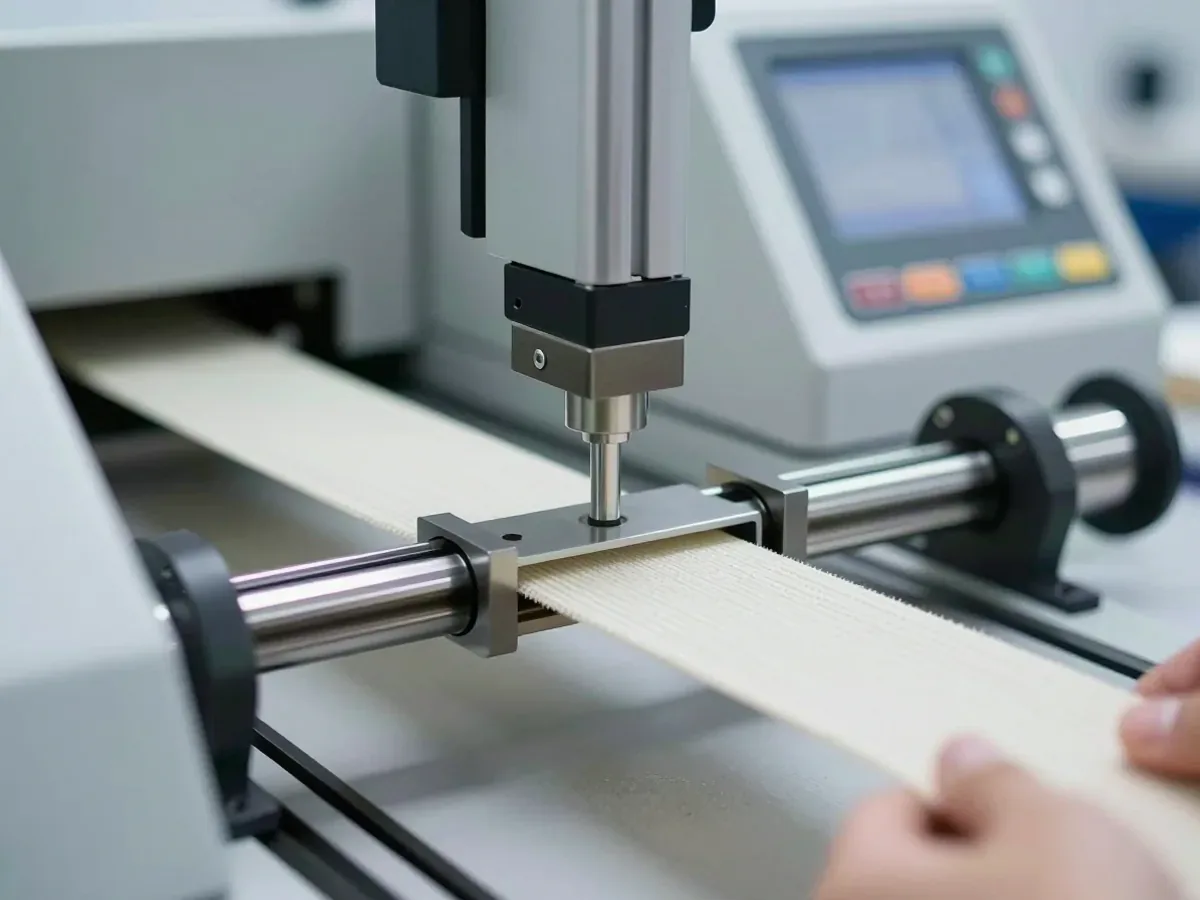
On its own, "tensile strength: 200 lbs" is a number without a method. ASTM D5034 and ISO 13934 both measure fabric strength, and they do not produce interchangeable results. The grab test pulls a 100 mm wide specimen at a jaw speed of 300 mm per minute. The strip test uses a 50 mm wide specimen at 100 mm per minute. Different widths, different speeds, different numbers from the same roll of fabric.
A supplier can submit an ISO 13934 report showing 200 lbs while the same material would read lower under ASTM D5034. A bag that clears the strip test at 200 lbs but fails the grab test at 160 lbs will tear when loaded to 180 lbs during a move. That load sits well inside the spec the buyer thought was ordered.
Write the line as a method plus a threshold plus a unit. Something like "fabric tensile strength, ASTM D5034 grab test, minimum 200 lbs, tested per batch" leaves nothing for the supplier to interpret. If the buyer's market or contract calls for the strip method instead, the line should name ISO 13934 with the same precision.
Why the Standard Number Belongs Next to the Number
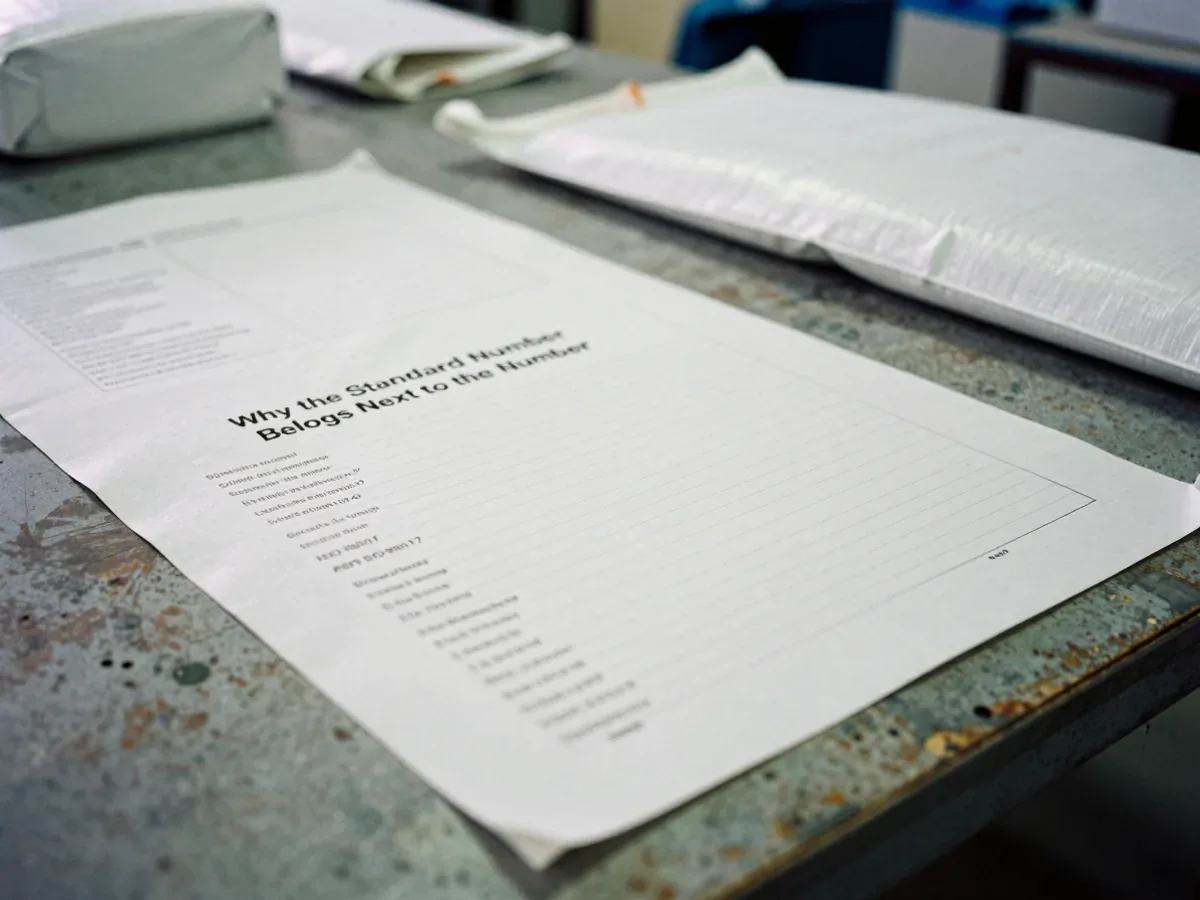
A test report is only as useful as its method identifier. Without the standard number, a report cannot be compared to a previous batch, to a competitor's sample, or to the buyer's own incoming inspection. It also cannot be challenged. "Passed tensile test" is a phrase, not a result.
The specimen width and jaw speed belong in the report as well, because they show the lab actually ran the method named. A report that lists a result but not the specimen geometry gives the buyer no way to confirm which test was performed. When the number and the method travel together, a batch that drifts becomes visible before the bags reach a warehouse.
This is also where the cost conversation usually goes wrong. A per-batch ASTM D5034 test at an accredited lab is a modest line item compared with the freight and handling on a container that has to be sorted or replaced. The test is cheap insurance against a method mismatch that no one catches until the seams start to give.
What ISO 9001 Adds to the Same Sheet
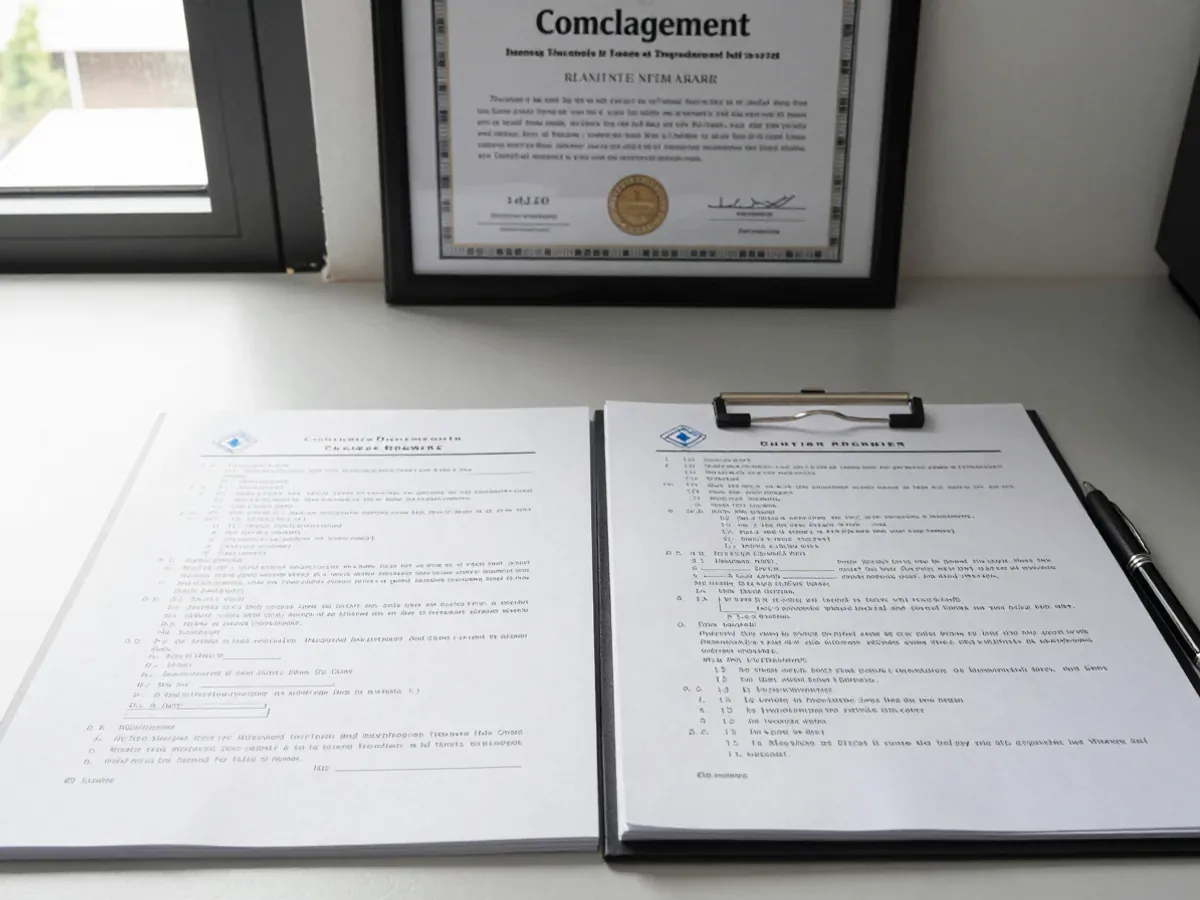
ISO 9001 does not belong on the tensile line. It belongs on a separate line, and it answers a different question. ASTM tests product specs. ISO 9001 audits process management: how the factory controls documents, runs internal audits, and closes corrective actions. It does not require a specific tensile strength number, and it says nothing about whether a particular bag will hold 200 lbs.
That separation matters because a factory holding ISO 9001 certification can still ship bags that fail an ASTM tensile test. The certificate confirms the system has discipline. It does not confirm the fabric in this batch is strong enough. Buyers who treat the certificate as a product guarantee are reading the wrong document.
The useful combination is both, written as two lines. The ISO 9001 line asks for a current certificate and the scope it covers. The ASTM line asks for a per-batch report to a named method. One gives process assurance, the other gives a verifiable product spec, and neither substitutes for the other.
There is a practical wrinkle worth knowing. Many Asian moving bag factories can produce an ASTM D5034 report but do not hold ISO 9001 certification. Requiring the certificate at the first vetting stage filters out workshops that can test well but have never paid for a system audit. A buyer who needs both should ask early and expect the pool to shrink.
How to Verify Each Line Before the Container Seals
Verification starts with the lab, not the report. The test report is worthless unless the lab holds ISO 17025 accreditation for that specific method. A lab accredited for ISO 13934 cannot certify ASTM D5034 results, even if it runs both tests in the same building. Ask for the accreditation ID and check that the scope names the method on the PO.
The second check is a pre-shipment sample sent to a lab the buyer chooses, tested to the exact method written on the sheet. Supplier-run tests are useful for screening, but the buyer's own result is the one that settles a dispute. This step also catches the case where a factory tested an earlier fabric lot and reused the report.
The third check is the certificate of conformance that travels with each shipment. It should list the standard number, the test results, the batch number, and the lab accreditation ID. File it before the container leaves port. Without that document, a claim after arrival has nothing to stand on.
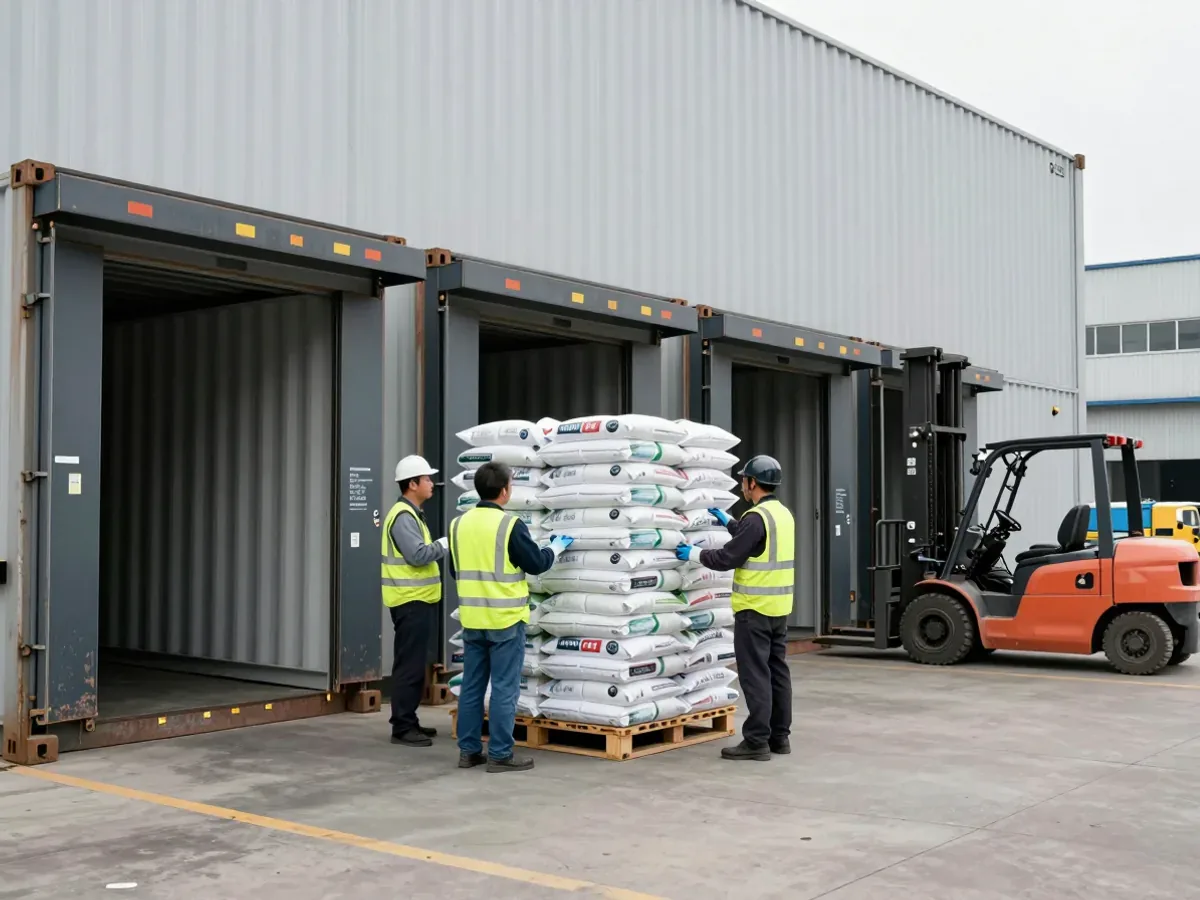
On the factory floor, the same logic shows up as routine checks. Incoming fabric, webbing, zips and thread are checked against the approved spec, and pull, seam strength and bar tack are tested on every batch. Finished bags get a hand check for dimensions, handles and logo. Cartons are counted and photographed before the container seals. Every order passes four QC checkpoints, with finished bag inspection as the third. None of that replaces an accredited lab report, but it shows whether the system described on the ISO 9001 certificate is actually running.
The Spec Item Buyers Leave Blank

The blank line is the one labeled "test method" or, more often, the line that should exist and does not. A PO will carry a strength figure, a certification request, and a lab report reference, and still leave the method unnamed. The supplier fills the gap with whatever report is easiest to obtain.
The second most common blank is the accreditation scope. Buyers ask for "an ISO 17025 lab report" and stop there, without checking that the scope covers the named method. The third is the batch link. A report without a batch number cannot be tied to the bags in the container, which makes it decoration rather than evidence.
A buyer writing the sheet from scratch can close all three in one pass. Name the method and the threshold on the same line. Name the accreditation scope in the verification clause. Require the batch number on the certificate of conformance. Then keep a copy of the sheet with the PO so the next order starts from the same wording instead of a fresh guess.
FAQ
Can a factory hold ISO 9001 and still ship bags that fail ASTM D5034?
Yes. ISO 9001 certifies the management system, not the fabric. A certified factory can run a disciplined process and still produce a batch below the tensile threshold if the incoming fabric was not checked to the right method.
Does a test report from an ISO 17025 lab cover both ASTM D5034 and ISO 13934?
Only if the lab's accreditation scope lists both methods. Accreditation is granted per method, so a lab accredited for the strip test cannot certify grab test results. Check the scope, not just the lab name.
Is ISO 9001 being revised in 2026?
No full revision is scheduled for 2026, and the current 2015 version remains valid. Some accredited bodies may update interpretation guidance, so it is worth confirming with the registrar before a certificate renewal.
Two lines on a purchase order carry most of the protection. One names the test method and the number it must produce. The other names the system certificate and the scope behind it. A buyer who writes both, and checks the lab accreditation before the container seals, has closed the gap that the carton label in Rotterdam left open.