

Vacuum luggage bags have become a favorite among frequent travelers, promising to maximize luggage space by reducing the bulk of clothing and other soft items. But, do these vacuum bags really live up to the hype? While vacuum packing seems like a simple solution to save space, there are many factors to consider before deciding if they are worth the investment. Let’s take a deeper look into the effectiveness, pros, and cons of vacuum luggage bags.
Vacuum packing bags1 offer convenience and space-saving, but are they truly effective? Let’s dive into the details to see if vacuum bags are the right choice for you.
For many travelers, luggage space is always a challenge. Whether you’re traveling for business or leisure, maximizing every inch of your suitcase can make the difference between paying for an extra bag or packing everything you need into one. The promise of vacuum bags is that they compress your clothes, freeing up space and preventing wrinkles. But, are these bags really all they’re cracked up to be? In this article, we’ll explore the benefits and drawbacks of vacuum luggage bags to help you decide if they’re worth using.
Are Vacuum Bags Good for Suitcases?
Vacuum bags can be incredibly effective in reducing the volume of clothing, bedding, and other soft items, making them a great tool for travelers with limited space in their suitcases. When air is removed from the bag, the items inside are compressed to a fraction of their original size. This can make it easier to fit more into your luggage or help you avoid checking in an additional bag.
Vacuum bags2 are great for soft items like clothes, bedding, and jackets, but they might not be ideal for everything you pack.
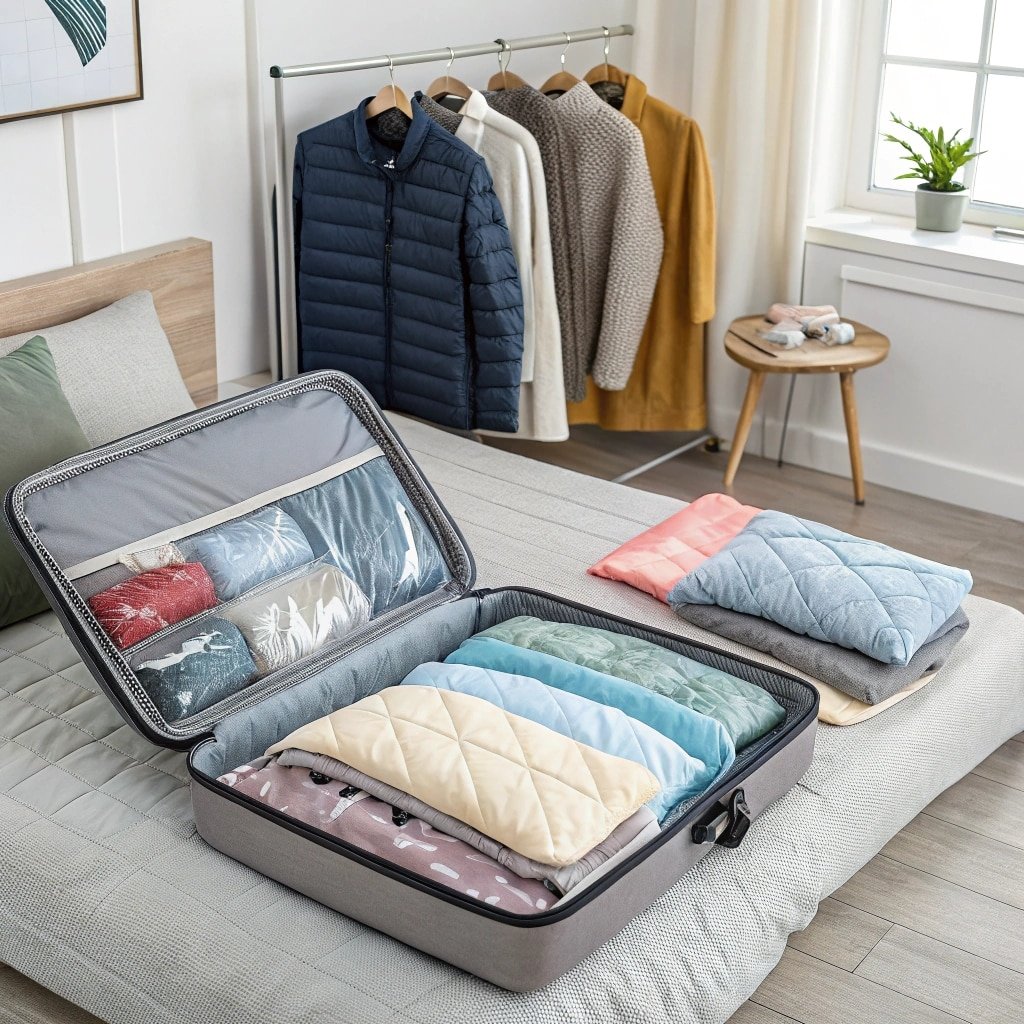
The main advantage of vacuum bags in suitcases is their ability to shrink bulky items down significantly. For instance, packing a winter coat or a thick sweater into a vacuum bag can make it take up only a small fraction of the space it normally would. However, not everything in your suitcase will benefit from being vacuum-sealed. Hard items like shoes, toiletries, or electronics won’t compress well, and fragile items could be damaged if the vacuum bag compresses them too tightly.
When Are Vacuum Bags Most Effective?
- Clothing: Vacuum bags work wonders for compressing clothes, especially bulky items like sweaters, coats, and pants. They can significantly reduce the amount of space these items take up in your luggage.
- Bedding and Towels: Items like blankets, comforters, and towels are notorious for being difficult to pack due to their size. Vacuum bags are perfect for shrinking these items down for efficient packing.
- Travel Accessories: Soft travel pillows, scarves, and lightweight jackets can also benefit from the space-saving ability of vacuum bags.
| Item Type | Benefits of Vacuum Packing |
|---|---|
| Clothing | Reduces bulk, maximizes suitcase space |
| Bedding & Towels | Compresses large, bulky items |
| Travel Accessories | Ideal for compact items like scarves or pillows |
Are Vacuum Packing Bags Worth It?
The value of vacuum packing bags depends on your travel needs and the type of trip you’re taking. For frequent travelers who are always looking for ways to maximize space, vacuum bags can be an invaluable tool. They’re particularly useful for long-term travel, extended vacations, or trips to cold climates where you need to pack bulkier clothing.
Vacuum bags3 can make a noticeable difference when packing for long trips or when traveling with a lot of bulky clothing. However, they may not be necessary for short trips or if you don’t carry large, space-consuming items.
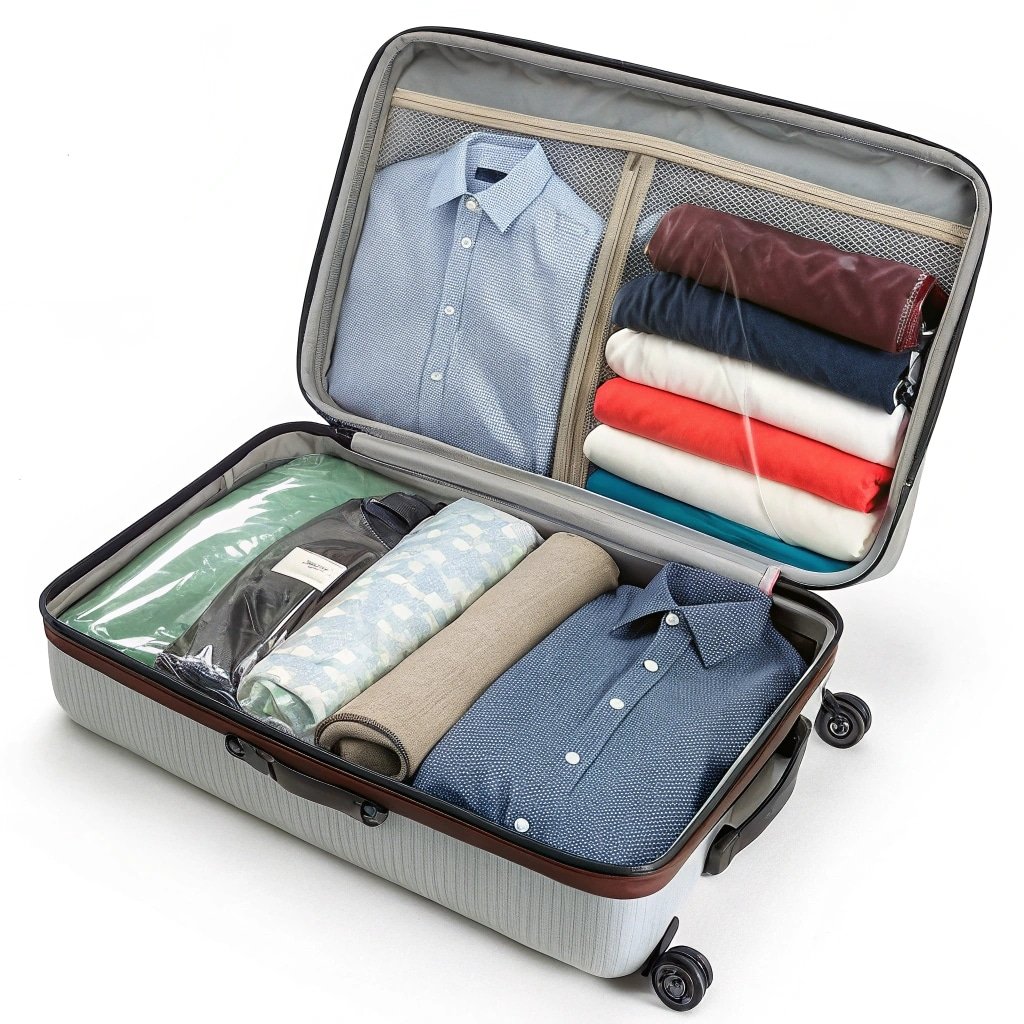
If you’re packing for a short trip and only need a few outfits, the effort involved in using vacuum bags may not be worth the time. You’ll also need to carry the additional equipment needed to create a vacuum (usually a vacuum pump or hose). However, for trips where you need to bring a lot of clothes, such as a vacation in colder regions or a business trip that requires professional attire, vacuum packing can help you pack more efficiently.
What Makes Vacuum Bags Worth It?
- Maximized Space: One of the biggest advantages of vacuum bags is the amount of space they save. By reducing the volume of bulky clothes or bedding, you can fit more into your suitcase and avoid excess baggage fees.
- Protection from Moisture and Dirt: Vacuum packing also helps protect clothes from moisture, dirt, and odors, especially if you’re traveling to humid or rainy destinations. Keeping your clothing sealed in a vacuum bag can help prevent dampness and unpleasant smells.
- Cost-effective: For frequent travelers, investing in a set of vacuum bags can save money over time. You may be able to avoid paying for extra luggage, or you could save on luggage space when traveling with multiple people.
Do Vacuum Bags Reduce Weight in Luggage?
While vacuum bags effectively reduce the volume of your clothing and other soft items, they do not reduce the weight of the items themselves. Since vacuum bags only remove air from the contents, the weight remains the same. However, by shrinking your clothes and other bulky items down, you can potentially fit more items into your luggage, which may allow you to distribute the weight more evenly across your bags.
Vacuum bags4 reduce the size of your packed items, but they do not lighten the weight of your luggage.

If you’re concerned about weight limitations on your luggage, vacuum bags can still help by maximizing the space in your suitcase, allowing you to pack more without adding extra weight. However, it’s important to remember that the overall weight of your packed clothing and items won’t decrease.
Space vs. Weight
When packing, it’s often a trade-off between weight and space. Vacuum bags are great for reducing the space your clothes take up, but they don’t help you reduce the weight of the items themselves. If you’re traveling with heavy items, consider focusing on packing lighter materials or reducing the number of items you pack in general.
What Are the Disadvantages of Vacuum Bagging?
Despite the benefits, vacuum bagging does have its drawbacks. One major issue is that vacuum-packed items can wrinkle significantly, especially clothes like shirts, skirts, and delicate fabrics. The compression may also cause some items to lose their shape or become misshapen, particularly items made of natural fibers.
Vacuum packing can cause wrinkles and distort the shape of certain items.
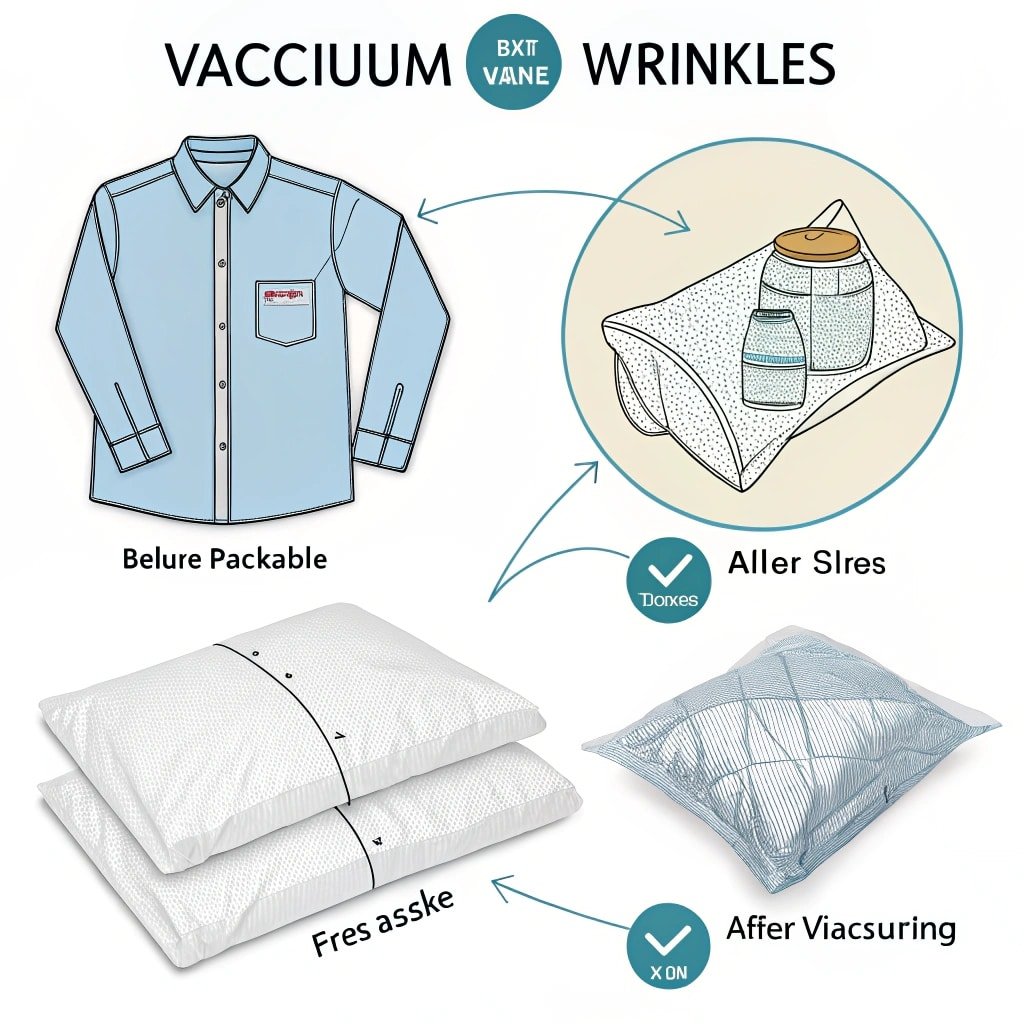
Another downside is that vacuum-sealed items are not easily accessible. If you need to access something packed inside the vacuum bag, you’ll need to reopen it, and re-sealing the bag can sometimes be difficult. This means that vacuum packing may not be ideal for situations where you need to frequently access items in your luggage.
Other Common Disadvantages
- Wrinkling: Clothes and fabrics can become extremely wrinkled after being compressed in a vacuum bag. While it may save space, it may not be ideal if you’re looking to keep your clothes neat and wrinkle-free.
- Difficulty Repacking: Once your clothes are packed in a vacuum bag, they become difficult to access and re-pack. This can be a problem if you need to switch clothes or pull something out during your trip.
- Limited Durability: Some vacuum bags are not built to last long-term, and the vacuum seal can break over time, causing the bag to lose its shape and expand. It’s important to invest in high-quality vacuum bags to ensure they can withstand the rigors of travel.
What Shouldn’t You Vacuum Pack?
Not everything should be vacuum-packed. While vacuum bags work great for soft, bulky items like clothing, bedding, and towels, there are some items that should never be packed in a vacuum bag. Fragile items like shoes with embellishments, electronics, or anything that could be crushed under compression should be avoided.
Avoid vacuum packing fragile or non-compressible items like electronics, shoes with rigid soles, and leather goods.
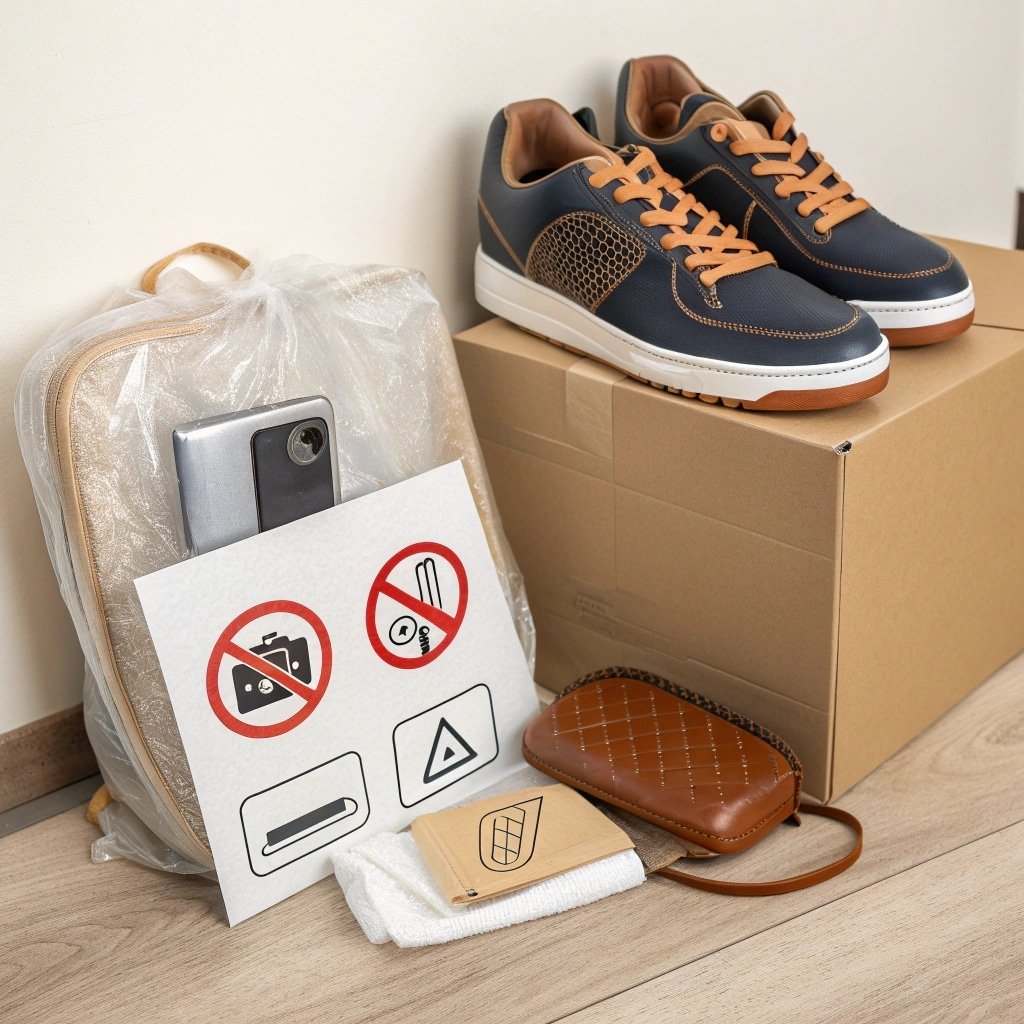
Additionally, vacuum sealing food or items that are moisture-sensitive is not a good idea. Vacuum bags can cause food to spoil or become moldy due to the lack of air circulation or moisture, and can become flat or overly compressed. Similarly, items like delicate jewelry or other valuables should be kept in a separate, more secure storage container.
Items Not Suitable for Vacuum Packing
- Fragile items such as electronics, glass bottles, and breakables
- Non-compressible items like hard shoes or bulky jackets with padding
- Food items that may need air circulation or moisture protection
- Delicate fabrics like silk, which can be damaged by compression
Do Clothes Weigh More When Vacuum Packed?
Vacuum packing doesn’t increase the weight of your clothes; it only compresses them. The weight of your clothing remains the same, but vacuum packing reduces the volume by removing air. This can make your suitcase feel less crowded, but the weight is unchanged.
Clothes do not weigh more when vacuum packed. They just take up less space, which allows for more efficient packing.
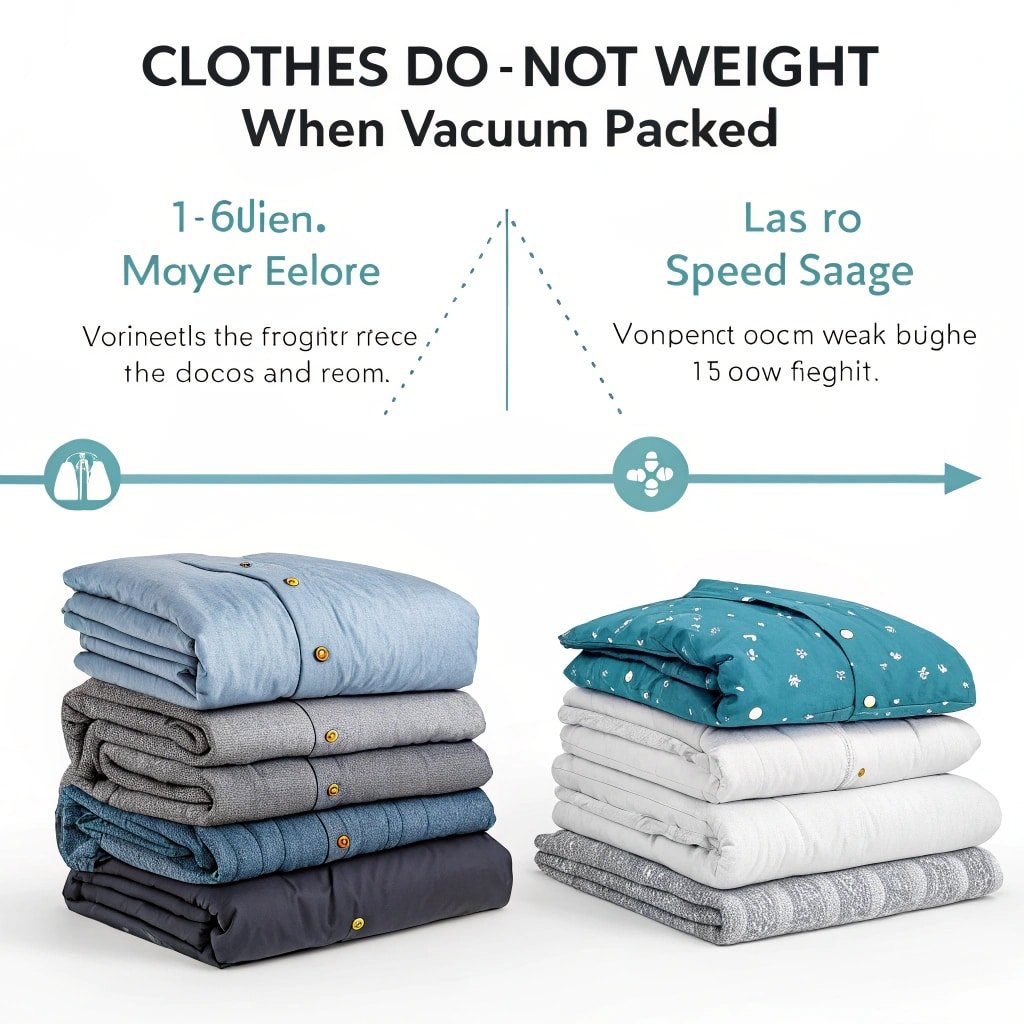
If you’re worried about fitting more items into your luggage, vacuum packing is an effective way to save space but not weight. This allows you to pack more without exceeding weight limits, as long as you’re mindful of the overall weight of your luggage.
What Are the 2 Disadvantages of Vacuum Forming?
Vacuum forming is a process used in manufacturing to shape plastic materials by using vacuum pressure. While it’s a widely used technique for creating plastic products, it has some drawbacks. Two of the major disadvantages are limited material options and the inability to create very detailed shapes.
Vacuum forming limits material choice and the complexity of designs.

While vacuum forming can create simple shapes with ease, it’s not ideal for producing highly detailed or intricate designs. The material also needs to be flexible enough to be stretched over a mold, so not all plastics are suitable for vacuum forming.
Disadvantages of Vacuum Forming
- Material Restrictions: Some materials cannot be vacuum-formed due to their rigidity or lack of flexibility.
- Design Complexity: Complex shapes with fine details are difficult to achieve through vacuum forming.
What Are the Disadvantages of Vacuum?
Vacuum technology, while effective for many applications, has several limitations. It requires specialized equipment, which can be expensive, and not all materials can withstand the vacuum process. Additionally, maintaining a vacuum requires energy, which can make it less efficient for certain applications.
Vacuum technology has limitations in terms of equipment costs and material compatibility.
For certain applications, maintaining a vacuum for extended periods of time can also be challenging and costly. Additionally, vacuum pressure can cause deformation in softer materials, which can be problematic depending on the application.
What Are the Precautions for Vacuum Forming?
When using vacuum forming, it’s important to follow safety precautions to ensure quality results and avoid accidents. First, always use molds that are smooth and free from defects to prevent uneven pressure on the material. Additionally, careful control of temperature is critical to prevent the material from deforming or burning.
Precautions like temperature control and proper mold preparation are essential when vacuum forming materials.

Always work in a well-ventilated area, as vacuum forming often involves heating materials to high temperatures. Proper training and safety equipment, such as heat-resistant gloves and goggles, should be worn during the process.
What Are the Two Types of Vacuum?
Vacuum technology is divided into two primary types: low vacuum and high vacuum. Low vacuum is commonly used for everyday applications like vacuum packing and food storage, where the air is removed but the pressure is not as extreme. High vacuum, on the other hand, is used in more technical applications, like scientific research and manufacturing, where a very low pressure is necessary.
The two main types of vacuum are low vacuum and high vacuum, each serving different applications.

High vacuum is much more complex and requires more advanced equipment. It’s typically used in situations that demand extremely low pressure, such as space exploration or certain manufacturing processes. Low vacuum is more accessible and used for less critical applications like storing food or vacuum packing clothing.
Conclusion
Vacuum luggage bags are a useful tool for space-saving, especially for long trips, extended vacations, or when packing bulky clothing. However, they come with some disadvantages, including potential wrinkles, the difficulty of accessing items, and the inability to reduce the weight of your luggage. By understanding both the benefits and the limitations, you can decide whether vacuum bags are the right solution for your next adventure.
-
Learn more about vacuum packing bags and their effectiveness in saving space. ↩
-
Find out how vacuum bags can be especially effective for packing bulky clothing and bedding. ↩
-
Understand when vacuum bags are most worth the investment and when they may not be necessary. ↩
-
Discover how vacuum bags help with space-saving but do not reduce luggage weight. ↩