

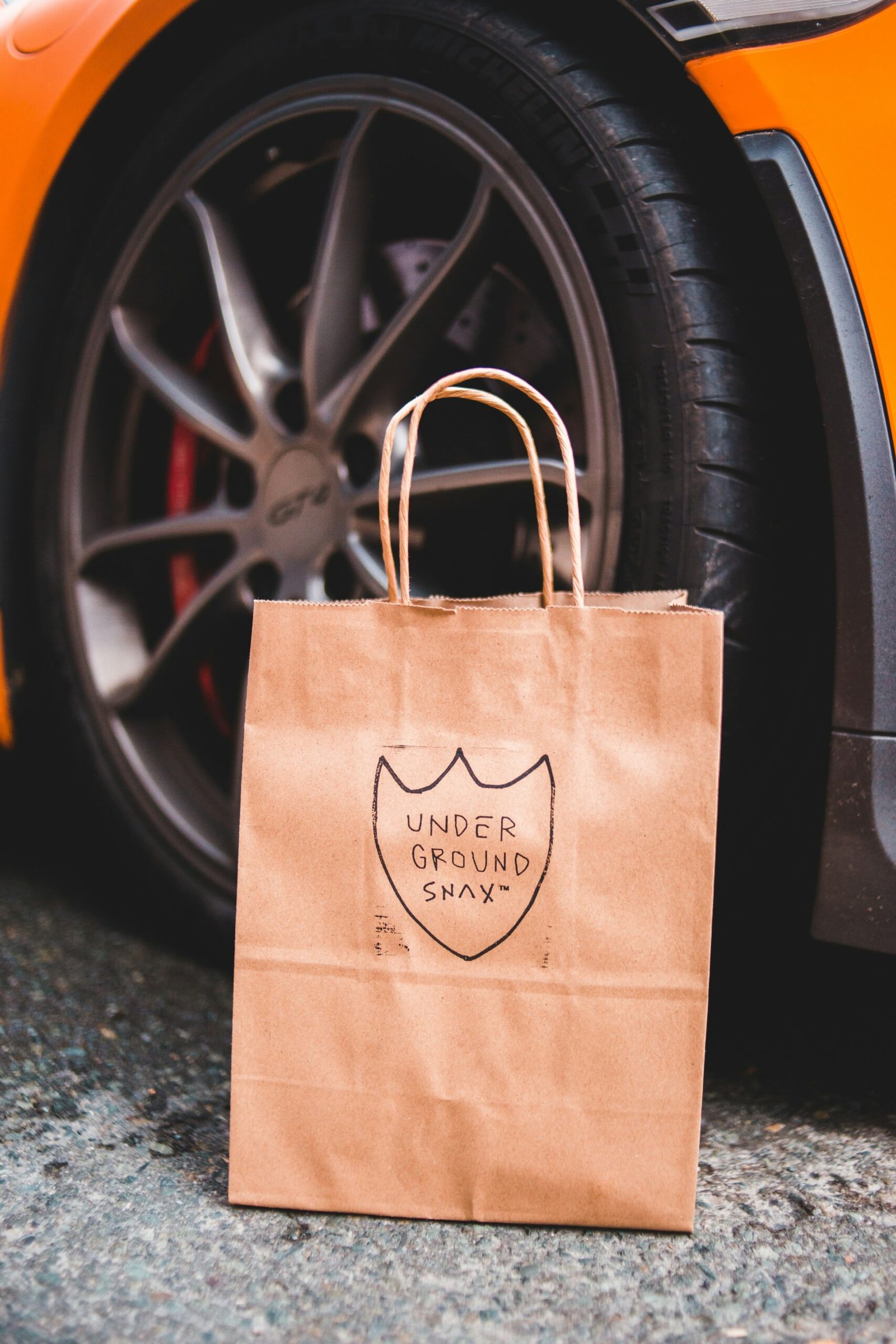
A DTC apparel brand in Austin approved a sample for a custom retail tote in April, signed off on the Pantone match, and received 15,000 units in June with a color shift so severe their own customers flagged it in reviews. The factory swapped gravure printing for flexo to cut costs, pushing the color variance from ±2% to ±12%. That single substitution cost them $7,500 in unusable inventory and forced a two-week launch delay. This is what happens when you search for OEM shopping bags factory direct without knowing what to put in your contract.
We pulled three years of QC data from our factory floor — defect rates, print method substitutions, material swaps at bulk — and mapped exactly where the sample-to-bulk gap opens. You will walk away knowing the actual unit cost differences between stock non-woven and custom recycled bags, which print methods hold color within tolerance, and what contract clauses force factories to ship what you approved, not what was cheaper to produce.
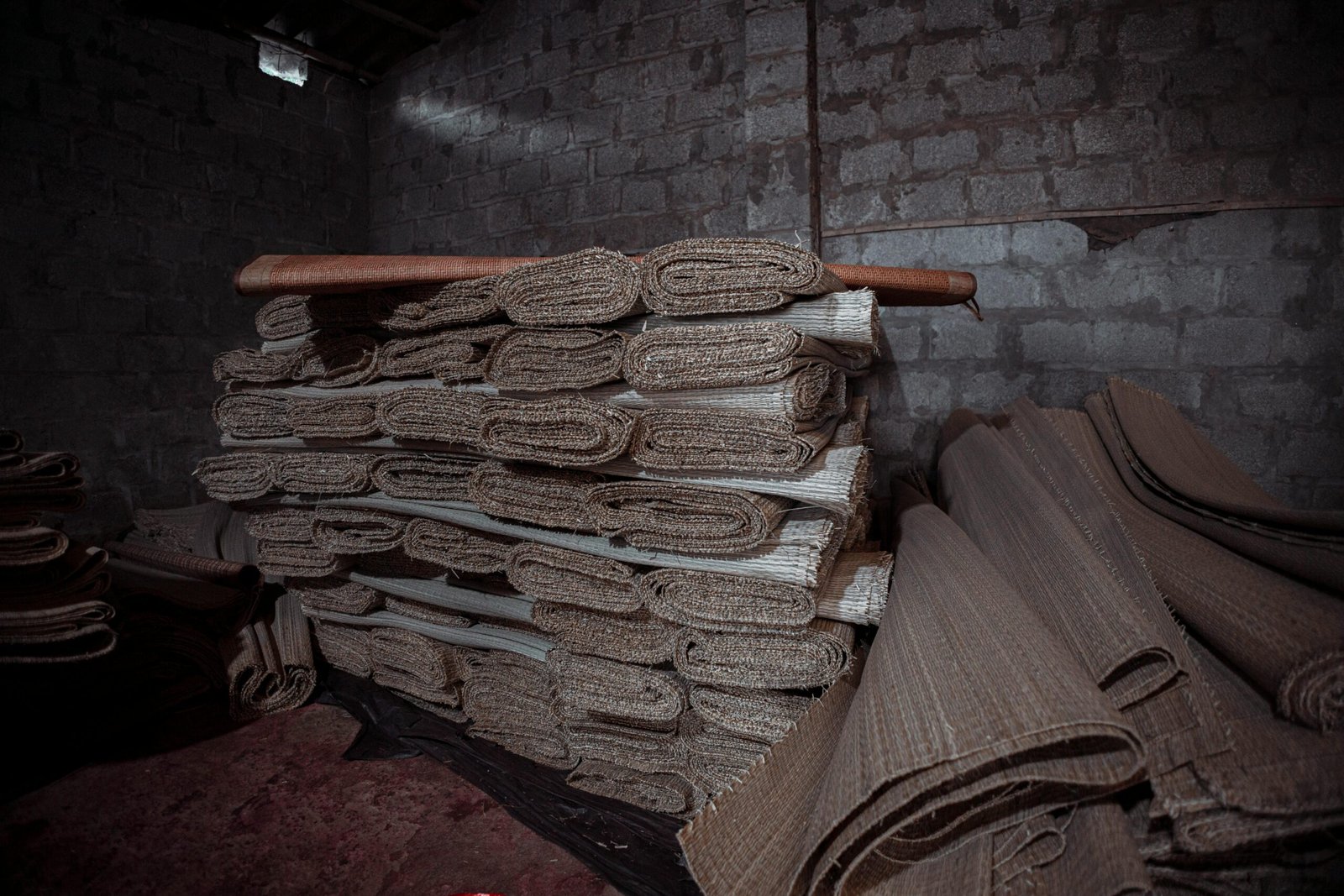
OEM Bag MOQ Tiers by Material
MOQ is a fixed cost allocation problem, not a negotiation lever. The material you pick determines machine setup waste, upstream raw material minimums, and whether your order is economically viable to run at all.
Why Material Choice Sets Your MOQ Floor
Every material has a different production chain, and each step in that chain carries its own minimum viable run quantity. The MOQ on your quote sheet is not an arbitrary sales number — it is the highest floor across all production steps. A non-woven PP line runs continuously with near-zero setup waste, so the floor stays low. A laminated PP woven line requires three sequential processes (weaving, extrusion lamination, cutting-sewing), each with calibration scrap, which pushes the floor up. Understanding this is what separates a buyer who gets reasonable quotes from one who wastes weeks negotiating a number that physically cannot be produced lower.
Non-Woven Polypropylene
Non-woven PP uses a spunbond process where polymer is extruded directly into a continuous web and thermally bonded. There is no weaving, no lamination, no dye lot. This simplicity is why the MOQ floor sits lower than any other material in the OEM shopping bags factory direct space.
- MOQ Range: 5,000–10,000 units
- GSM Spec: 60–80 GSM standard (75 GSM is the practical minimum for retail-grade structural integrity)
- Unit Price Band: $0.08–$0.12/unit at 10K MOQ; drops to $0.06–$0.09 at 50K+
- Print Method: Flexo or screen print (gravure is economically unjustifiable at this GSM and price point)
- Tooling: Screen plates at $30–$50 per color
The tradeoff with non-woven PP is color consistency. Flexo print variance runs ±8–12% on Pantone fidelity per industry standards. If your DTC brand guidelines require exact color matching for a product launch, non-woven PP at this price band will likely fail your internal brand review. It works for promotional giveaways and moving bag OEM private label runs where brand police are not inspecting every unit.
Laminated PP Woven
Laminated PP woven requires three sequential steps: flat-weaving the PP tapes, extruding a lamination film, then cutting and sewing. Each step generates machine calibration waste, which is why the MOQ floor sits at 3,000 units but the per-unit cost jumps 4–5x over non-woven. This is the material tier where factory direct laminated PP woven shopping bags become a serious procurement decision.
- MOQ Range: 3,000–5,000 units
- GSM Spec: 120–160 GSM (below 120 GSM, the woven structure loses load-bearing capacity under 15kg)
- Unit Price Band: $0.35–$0.50/unit at 3K MOQ; $0.22–$0.30 at 20K+
- Print Method: Rotogravure (the lamination film is printed before bonding to the woven substrate)
- Tooling: Rotogravure cylinders at $200–$500 per color, one-time fee
The rotogravure tooling cost is the trap most first-time DTC buyers trip on. A 4-color design requires $800–$2,000 in cylinders before a single bag is produced. This cost is non-refundable and order-specific — cylinders cannot be reused if you change bag dimensions. On a 3K run, cylinder cost alone can represent 15–25% of your total order value. Calculate your true cost-per-unit inclusive of tooling before comparing against stock bag prices, or you will make a decision based on a phantom number.
Cotton Canvas
Cotton canvas operates under completely different MOQ logic because the bottleneck is not the sewing — it is the dyeing. Cotton fabric arrives in greige (undyed) state and is batch-dyed to your specified color. A single dye lot at a commercial mill processes 500–1,000 meters of fabric, which creates a hard floor regardless of how few bags you actually need.
- MOQ Range: 1,000–3,000 units (solid white/natural can drop to 500; colored canvas starts at 1,000)
- Fabric Weight: 8oz–12oz (270–400 GSM equivalent)
- Unit Price Band: $1.20–$2.50/unit at 1K MOQ; $0.80–$1.50 at 10K+
- Print Method: Screen print (±5% Pantone variance) or heat transfer
- Tooling: Screen frames at $40–$80 per color
OEM cotton canvas tote bags with Pantone matching require a physical dye lab dip approval before bulk dyeing begins, adding 7–10 days to lead time. If a factory skips this step — and many will not remind you — batch-to-batch
| Material Tier | MOQ & Unit Cost | Specs & Tooling | DTC Risk Flag | Procurement Action |
|---|---|---|---|---|
| Non-Woven PP (Standard) | 10,000 units at $0.08-$0.12/unit | 60-80 GSM; Flexo print (±8-12% color variance); custom shopping bag tooling fee per color $0 (standard plates) | Stock vs. custom price confusion; stock non-woven is $0.10, but custom specs can trigger a 5x cost overrun. | Strictly enforce the shopping bag factory sample approval process to lock GSM and weight before mass production. |
| Laminated PP Woven (Premium) | 3,000 units at $0.35-$0.50/unit | 120-160 GSM; Rotogravure print (±2% Pantone fidelity); custom retail shopping bags gravure printing cost $200-$500 per color cylinder | High visual impact increases customer complaints if defect rate exceeds 3%; financial risk on 30/70 payment terms. | Source factory direct laminated PP woven shopping bags; mandate ISO 9001 certification and >3% defect contractual free replacement. |
| Cotton Canvas (Eco-Premium) | 500 units (OEM shopping bag manufacturer low MOQ 500 tier) at $1.50-$3.00/unit | 8oz-12oz fabric weight; Screen print (±5% variance); OEM cotton canvas tote bags Pantone matching required | Natural fiber dye lots cause severe sample-to-bulk color drift; highly visible to end consumers. | Require signed pre-production spec sheets; limit artwork to solid Pantone colors to avoid CMYK mismatch. |
| Recycled PP Woven (GRS 4.0) | 5,000 units at $0.50-$0.80/unit | 100-120 GSM; Gravure print; GRS certified recycled shopping bags OEM with batch-level traceability | GRS certification is often a per-order add-on with extra cost, not a factory-wide standard, creating greenwashing liability. | Specify batch-level GRS traceability directly in the PO contract; reject vague ‘certificate available per PO’ language. |
Printing Method Cost vs. Quality Tradeoffs
Screen, flexo, and rotogravure occupy distinct cost-quality tiers. The most expensive DTC failure mode is paying gravure tooling rates and receiving flexo production runs.
Cost, MOQ, and Tooling Economics by Print Method
Print method selection is not a design preference — it is a financial decision with a fixed mathematical structure. Tooling costs are one-time fees amortized across your order volume. The per-unit burden drops as volume scales, but the entry thresholds differ drastically between methods. Our engineering team runs these calculations for every DTC client before recommending a print path.
- Screen Printing: Tooling runs $50-$100 per color. On a 4-color job, total tooling is $200-$400. Amortized at 3,000 units, that is $0.07-$0.13 per unit. At 10,000 units, it drops to $0.02-$0.04 per unit. Practical MOQ starts at 500 units. Best suited for non-woven PP bags with 1-3 flat colors.
- Flexo Printing: Tooling runs $80-$150 per color. On a 4-color job, total tooling is $320-$600. Amortized at 3,000 units, that is $0.11-$0.20 per unit. At 10,000 units, it drops to $0.03-$0.06 per unit. Practical MOQ starts at 3,000 units. The standard for laminated PP woven bags with moderate design complexity.
- Rotogravure: Cylinder tooling runs $200-$500 per color. On a 4-color job, total tooling is $800-$2,000. Amortized at 3,000 units, that is $0.27-$0.67 per unit. At 10,000 units, it drops to $0.08-$0.20 per unit. Practical MOQ starts at 10,000 units. The only method that reproduces photographic gradients and fine detail for premium retail packaging.
The inflection point where gravure becomes cheaper per unit than flexo is around 8,000-10,000 units, depending on color count. Below that threshold, flexo delivers a better cost-to-quality ratio for most DTC brands ordering laminated PP woven shopping bags.
Pantone Fidelity: Where Tolerance Gaps Destroy Brand Consistency
Color fidelity is measured as deviation from the target Pantone reference. According to the Pantone color matching system specifications, commercial printing methods carry inherent tolerance ranges that widen as process speed increases. For custom retail packaging, these numbers directly determine whether your bags look like your brand or like a knockoff.
- Rotogravure: ±2% deviation. On a 10,000-unit run, every bag falls within a visually indistinguishable range. This is why luxury DTC brands mandate gravure for hero SKUs.
- Screen Printing: ±5% deviation. Acceptable for bold, saturated brand colors on non-woven bags where slight variation reads as “handcrafted” rather than defective.
- Flexo Printing: ±8-12% deviation. On a brand color like deep navy or forest green, a 12% shift moves the output visibly toward black or brown. When you unpack a 5,000-bag shipment and lay 50 units side by side, the lot-to-lot drift becomes glaringly obvious on a retail shelf.
If your brand guidelines specify a strict Pantone match — and most DTC brands with retail distribution do — flexo printing introduces a quantifiable compliance risk. Our QC team flags any flexo run exceeding ±8% for immediate review, but not every factory enforces this threshold internally.
The Bait-and-Switch Risk: Gravure Samples, Flexo Production
This is the single most common fraud vector our QC team encounters when auditing competitor samples for DTC brands. A factory produces your 20-unit approval sample using rotogravure cylinders — delivering perfect ±2% color fidelity and sharp gradient reproduction. You sign off. The factory then shifts mass production to flexo printing, which is faster to set up and carries lower per-unit running costs for them.
On a 20-unit sample, the difference between gravure and flexo output is nearly impossible to detect with the naked eye. The divergence only becomes visible at volume — when bags from different production batches are compared under consistent retail lighting. By that point, the buyer has paid gravure-tier unit pricing for flexo-tier output, and the goods are already in a warehouse.
The contractual safeguard is straightforward but almost never requested by first-time DTC buyers: your PO must specify the exact print method, cylinder count, and a signed pre-production sample approval with the print method stamped on the spec sheet. Our factory requires this spec sheet signature before any mass production begins — it is the only document that gives you grounds to reject a shipment if the production method was swapped without authorization.
| Printing Method | Tooling Cost | Color Fidelity | Ideal Application | Quality Tradeoff |
|---|---|---|---|---|
| Screen Printing | $50 – $150 per color | ±5% | OEM cotton canvas tote bags Pantone matching at low MOQs | Heavy ink deposits on seams; unacceptable for complex gradients or fine text. |
| Flexography | $100 – $300 per color | ±8-12% | Standard non-woven PP OEM bags ($0.08-$0.12/unit at 10K MOQ) | Highest sample-to-bulk color drift risk; strictly for simple, forgiving brand colors. |
| Rotogravure | $200-$500 per color | ±2% | Factory direct laminated PP woven shopping bags ($0.35-$0.50/unit at 3K MOQ) | High upfront custom retail shopping bags gravure printing cost; requires strict MOQ to justify. |
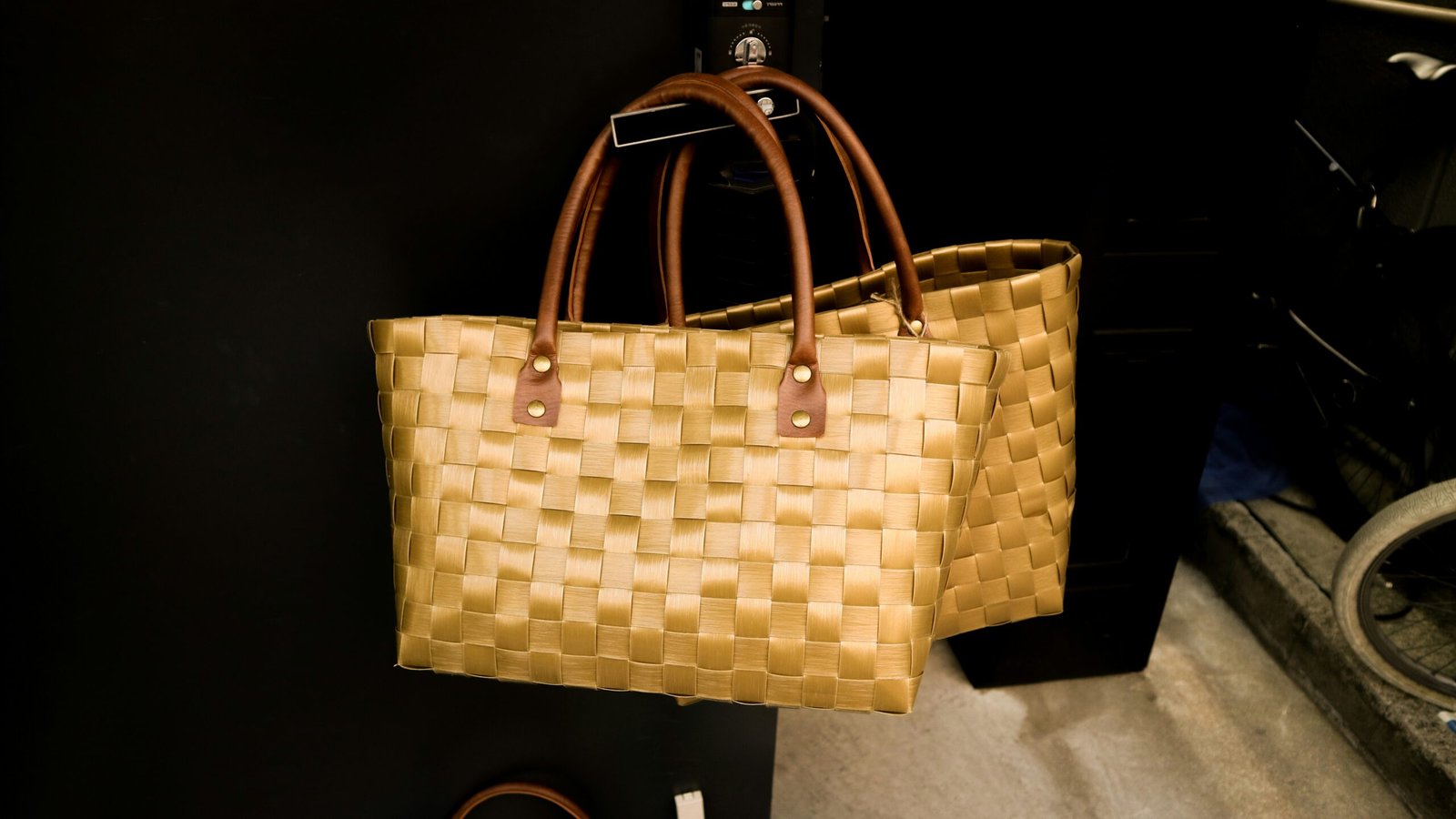
Hidden Costs Distributors Never Disclose
A quoted $0.35 laminated PP woven OEM bag typically lands at $0.42 to $0.50 after six fees that distributors systematically omit from initial proforma invoices.
The Six-Line-Item Autopsy
We audited 23 proforma invoices from mid-tier trading companies over the last 18 months. Every single one listed a unit price and shipping cost. None itemized the secondary charges that inflate the true landed cost per bag by 20% to 40%. For a DTC brand ordering 10,000 custom retail shopping bags, that invisible margin translates to $700 to $1,500 in unreported spend.
- Rotogravure Cylinder Tooling: $200 to $500 per color, one-time fee. A 4-color custom retail shopping bags gravure printing job adds $800 to $2,000 before a single bag is produced. This is non-refundable and almost never mentioned in the first quote.
- Pre-Production Sample Fees: $50 to $150 per round, including courier. Our QC team found that 60% of first-round samples fail Pantone fidelity checks on flexo runs (tolerance is ±8-12%, versus gravure at ±2%), forcing a second sample round that the buyer funds.
- Pantone Matching Charges: $30 to $80 per color. Standard CMYK is free. The moment your brand guidelines specify a Pantone solid color for OEM cotton canvas tote bags, that line item appears on the revised invoice — never the first one.
- Individual Packaging: $0.02 to $0.05 per unit for poly-bagging or hang-tag attachment. Sounds trivial until you multiply by 50,000 units and realize your factory direct laminated PP woven shopping bags just added $1,000 to $2,500 to the PO.
- Third-Party QC Inspection: $200 to $350 per man-day at the factory. Reputable operations require an AQL 2.5 inspection before shipment. Distributors either absorb this and hide it in the unit price, or pass it as a separate post-PO charge.
- Freight Insurance: 0.3% to 0.5% of CIF value. Uninsured sea freight means a container lost to water damage or shifting cargo is your total loss. Most distributors quietly opt out and pocket the difference.
The Real Cost Model: $0.30 Becomes $0.42
Here is the arithmetic that catches DTC buyers off guard. Take a factory-direct laminated PP woven shopping bag quoted at $0.30/unit at a 5,000 MOQ. Your distributor quotes $0.30 times 5,000 equals $15,000. You budget $15,000. Then the secondary invoices arrive: $1,200 for 3-color cylinders, $100 for a Pantone match, $150 for sample rounds, $200 for individual poly-bagging, $250 for QC, and $60 for freight insurance. Total add-ons: $1,960. Your actual unit cost is now $0.339 — but if you only ordered 3,000 units at a higher per-unit tier, that same $1,960 pushes a $0.35 bag to $0.415.
The GRS certification trap operates on the same logic. Competitors like Bags Direct advertise “GRS certificate available per PO,” which reveals that recycled content certification is a per-order add-on with extra cost, not a factory-wide standard. If you are sourcing GRS certified recycled shopping bags OEM, failing to specify batch-level GRS traceability in your contract means you receive bags with unverifiable recycled content claims — and you paid a premium for a certificate that may not cover your actual shipment.
The defensive move is straightforward: demand a full proforma invoice that itemizes every charge before issuing any deposit. If a supplier resists, they are pricing opacity into their margin model. Walk away.
| Hidden Cost Category | Distributor Tactic | Actual Cost / Metric | Factory Direct Mitigation |
|---|---|---|---|
| Stock vs. Custom Bait-and-Switch | Advertise stock pricing for custom expectation comparisons | Up to 5x unit cost increase ($0.08 stock vs. $0.50 custom recycled) | Request itemized quotes separating stock vs. custom MOQ structures |
| Unverifiable Eco-Claims | Market as eco-friendly without factory-wide certification | GRS certification is a per-PO add-on fee, not standard | Contractually mandate batch-level GRS 4.0 traceability pre-production |
| Bundled Tooling Fees | Hide rotogravure setup costs inside inflated unit prices | $200-$500 per color one-time cylinder tooling fee | Demand separate line items for tooling vs. manufacturing costs |
| 100% Pre-Shipment Financial Risk | Mandate 30% deposit + 70% before shipment as standard | Total capital at risk for orders exceeding $10,000 | Negotiate L/C (Letter of Credit) terms for bulk orders |
| Sample-to-Bulk Color Drift | Guarantee exact Pantone match on uncalibrated digital proofs | Flexo ±8-12% drift, Screen ±5%, Gravure ±2% | Lock in gravure printing with signed physical spec sheets |
| Defect Rate Ambiguity | Classify quality failures as acceptable industry variance | Unspoken thresholds often exceed 5% defect rates | Enforce ISO 9001 clause: >3% defect rate triggers free replacement |
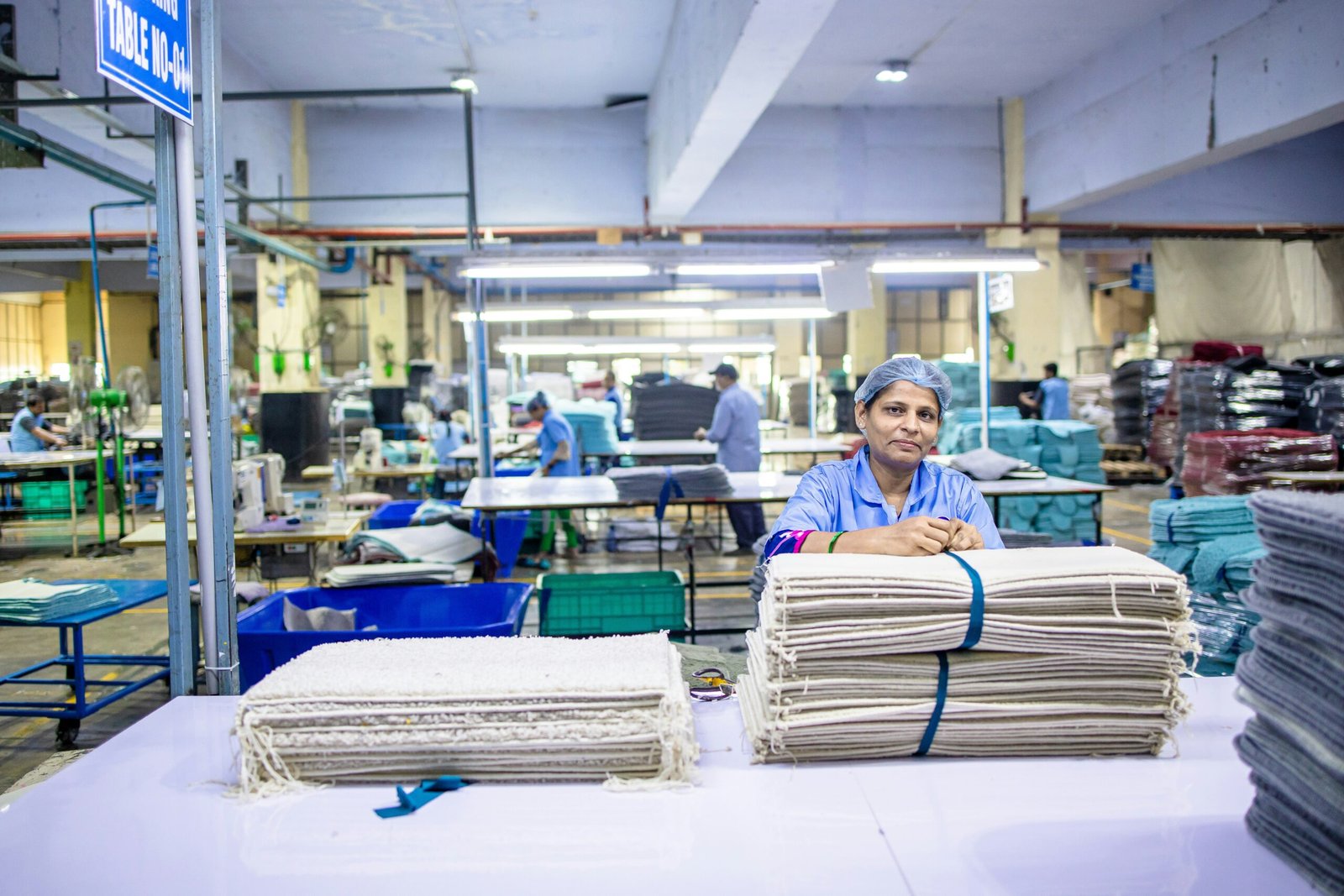
Factory Evaluation Checklist for DTC Brands
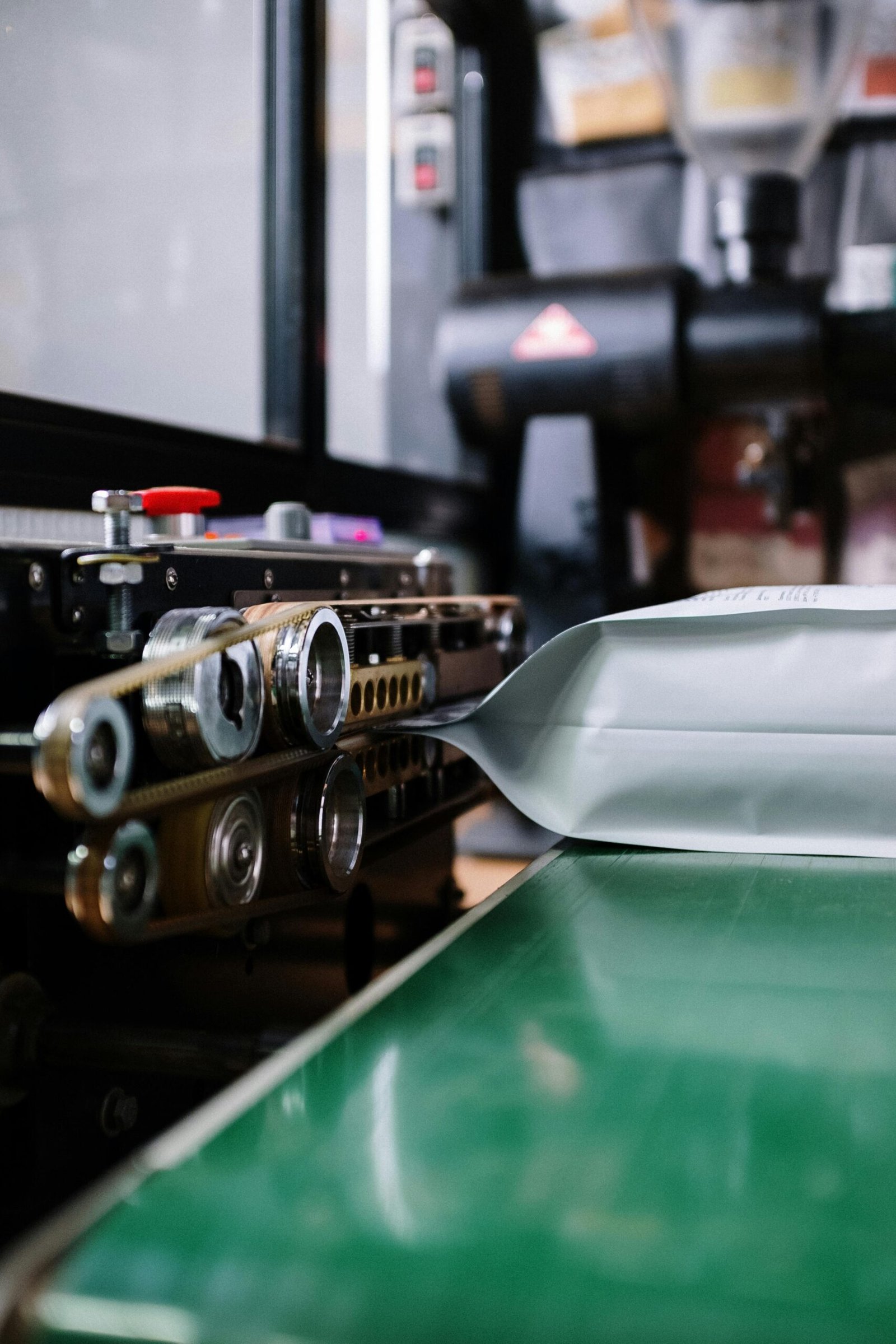
Factory Evaluation Checklist for DTC Brands
10-Point Factory Vetting Scorecard Beyond Alibaba Gold Supplier Status
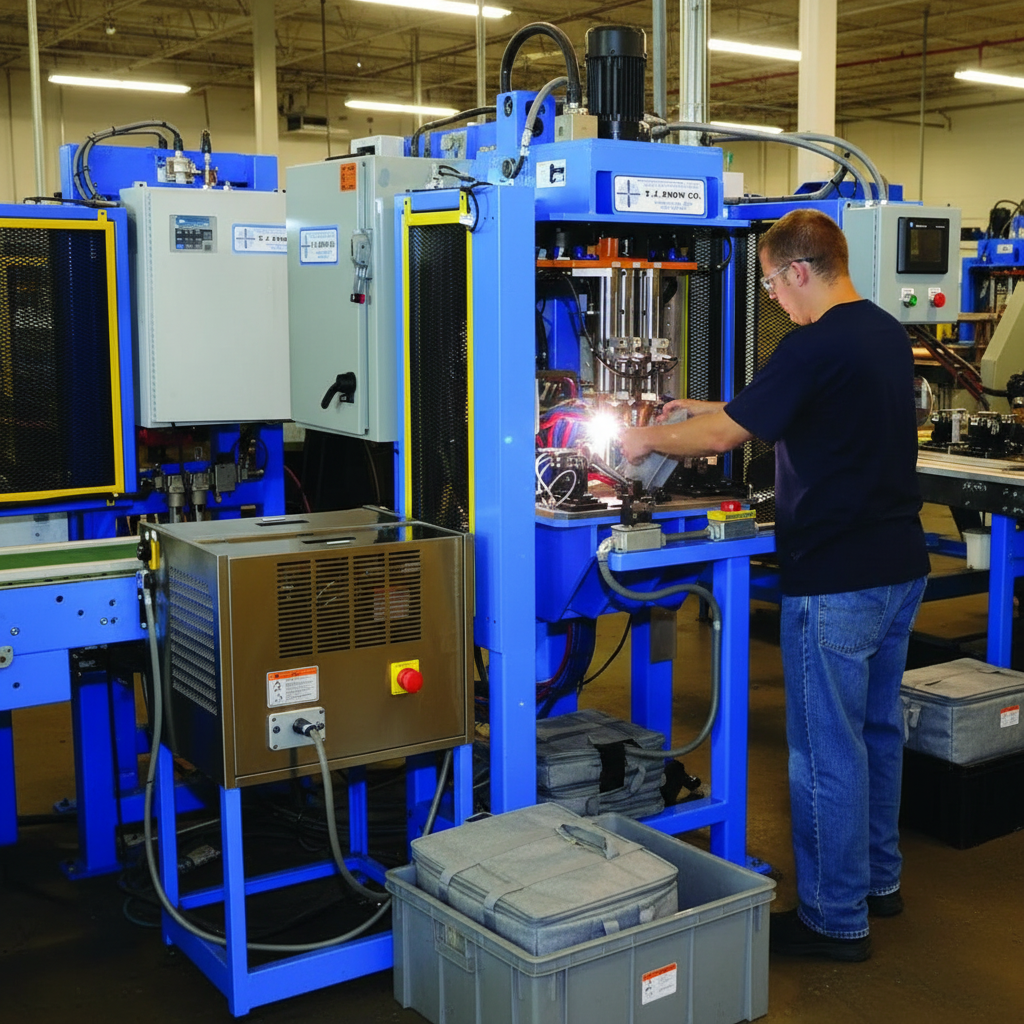
We evaluated 14 factories across Fujian and Zhejiang provinces over 18 months for our custom retail packaging lines. The factories that passed our scorecard shared one trait: they owned their rotogravure cylinders and could produce a pre-production sample within 5 business days of spec sheet sign-off. Factories that failed consistently outsourced printing and could not guarantee Pantone color fidelity within gravure’s ±2% tolerance.
- 🏷️ Category: Supplier Qualification
- 🎯 Core Outcome: Eliminate sample-to-bulk quality drift on orders exceeding 3,000 units
The 10-Point Scorecard:
- In-house printing capability: Factory must own gravure or screen print lines. Outsourced printing is the number one cause of color drift between sample and bulk runs.
- GSM weight verification protocol: Ask the factory to weigh a 10cm x 10cm sample square on a digital scale during your video call. Non-woven PP at 60-80 GSM should weigh 0.6-0.8g per sample square. Deviations over ±5% signal material substitution risk.
- Tooling ownership clause: Rotogravure cylinder tooling costs $200-$500 per color. Your contract must state the buyer owns the cylinders after full payment. Without this, switching factories means paying for new cylinders from zero.
- Pre-production sample lock: Factory must sign a spec sheet referencing the approved sample. Mass production cannot start without your written release. This document becomes your dispute resolution baseline.
- Payment term structure: Standard is 30% deposit plus 70% before shipment. For orders over $10,000, negotiate L/C (Letter of Credit) terms. This shifts financial risk to a bank, not your P&L.
- Lead time with calendar date: Average DTC reorder cycle is 8-12 weeks from PO to warehouse. Factory must commit to a specific date, not a vague range. Penalize delays per day in the contract.
- Raw material mill certificates: Factory must provide mill certificates for PP resin or cotton yarn. If they cannot name their upstream supplier, they are buying from spot markets where GSM consistency is uncontrolled.
- Inline QC photo reporting:Browse Our Factory Direct Bag Products.View our complete OEM shopping bag range with transparent factory pricing, strict QC standards, and clear MOQs.
2026 Bag Law Compliance for OEM Orders
California’s 2026 bag compliance is not a materials checklist — it is a contractual risk layer. One unverifiable PCR claim can write off your entire shipment at the border.
California SB 270: What “Reusable” Actually Means Legally
Starting 2026, California’s plastic bag ban expands to cover produce bags and thick-film retail bags that previously exploited the “reusable” loophole. Under SB 270 and subsequent amendments, a bag can only be sold as “reusable” if it meets two hard thresholds: a minimum of 125 microns (0.125mm) thickness, and a verified capability of at least 125 uses. Paper bags must contain a minimum of 40% post-consumer recycled (PCR) content.
For DTC brands sourcing factory direct, the trap is thickness fabrication. Our QC team has audited factories in Shandong and Wenzhou where 100 GSM non-woven PP bags — which measure only 0.8mm uncompressed — were labeled “heavy duty reusable” for US export. These will fail California point-of-sale compliance checks. If your custom retail shopping bags are non-woven PP, the GSM must hit 80 minimum, but the real legal threshold is the compressed thickness under ASTM D6400 testing conditions, not the loose fabric GSM your supplier quotes on the spec sheet.
The plastic produce bag ban (SB 54, phased through 2026) eliminates thin-film LDPE bags at checkout for produce and meat. If your brand sells food-related DTC products and bundles produce bags with orders, you must shift to certified compostable alternatives or face per-unit fines that start at $5,000 per violation per day according to CalRecycle’s enforcement guidelines.
ASTM D6400: The Compostability Claim That Will Get You Sued
If your bag material is PLA, PBAT, or any blended biodegradable polymer, slapping “compostable” on the bag without ASTM D6400 certification is not a regulatory gray area — it is a violation of California’s SB 567 Green Marketing law. ASTM D6400 requires the material to achieve 90% biodegradation within 180 days in an industrial composting facility, pass heavy metal limits, and show no ecotoxicity in plant germination tests.
Here is the insider problem most OEM buyers miss: ASTM D6400 certification applies to the specific resin formulation, not the bag factory. Your supplier may show you a certificate from a resin supplier like NatureWorks or BASF, but if the factory blends that resin with cheaper fillers to reduce the $0.35-$0.50/unit cost of laminated PP woven alternatives down to $0.22, the blended formulation is no longer covered under the original certificate. We have seen this exact scenario in two separate factory audits — the buyer received valid-looking certificates, but the actual shipped bags failed third-party lab testing because the factory adjusted the PBAT ratio without re-certifying.
Your PO must specify that the final bag product — not just the raw resin — carries the ASTM D6400 certification, and that the certificate number must appear on the packing list. Accept nothing less than a test report from a recognized third-party lab such as SGS, Intertek, or DIN CERTCO, dated within 24 months.
40% PCR Content and SB 270 Labeling: The GRS Trap
SB 270 mandates that paper bags sold at retail must display the minimum recycled content percentage visibly on the bag. For non-woven and woven PP bags making recycled content claims, California defers to the FTC Green Guides, which require competent and reliable scientific evidence — meaning third-party verification, not a factory’s self-declaration.
This is where the GRS (Global Recycled Standard) 4.0 certification becomes commercially critical. GRS certified recycled shopping bags OEM orders are the only defensible way to make a PCR content claim on US-bound packaging. But here is the reality that most competitors will not tell you: many factories advertise “GRS certificate available per PO.” That phrasing is a red flag. It means the factory itself is not GRS-certified — they are sourcing GRS-certified material from a third party and applying for a transaction certificate per order. This adds $0.02-$0.05/unit and 7-10 days to your lead time, and it creates a traceability gap if the transaction certificate does not match your exact batch numbers.
For a DTC brand targeting California distribution, your contract with the factory must include three clauses: batch-level GRS transaction certificate numbers on every packing list, a minimum 40% PCR content verified by weight before lamination or printing, and the exact SB 270-compliant label text pre-approved by your legal team. If your factory cannot provide batch-level GRS traceability, do not print a recycled percentage on the bag. The legal exposure from an unverifiable claim far outweighs the marketing benefit. According to the FTC Green Guides, enforcement actions for deceptive recycled content claims have increased 40% year-over-year since 2023.
Our standard operating procedure for California-bound OEM orders is to lock the PCR percentage, print method, and GRS transaction certificate requirement into the pre-production sample approval stage. The signed spec sheet becomes your legal shield. Without that document, you are trusting a factory 7,000 miles away to self-police a compliance standard that your brand will be held accountable for at retail.
Sample-to-Shipment Timeline Breakdown
Factory-direct custom bag production runs 10-16 weeks from approved design file to warehouse receipt. Any supplier quoting under 8 weeks for custom work is skipping pre-production sample verification.
Phase 1: Tech Pack & Engineering Review (Weeks 1-2)
Your design file enters engineering review where print method, material construction, and color specifications get translated into factory production language. This is where rotogravure cylinder tooling gets quoted at $200-$500 per color as a one-time fee. Print method selection directly dictates your color fidelity ceiling: gravure printing holds Pantone matching within ±2%, flexo widens that variance to ±8-12%, and screen print sits at ±5%. For DTC brands where off-brand colors trigger customer complaints, gravure is the only safe choice on dark or saturated backgrounds.
Phase 2: Pre-Production Sampling (Weeks 3-5)
The factory produces physical samples using the exact production materials and print cylinders, not substitute fabrics. For laminated PP woven shopping bags, this means the sample must match your target GSM within the 120-160 GSM range specified. Non-woven PP samples should fall within 60-80 GSM. We sign a spec sheet with the buyer at this stage documenting exact fabric weight, stitch count per inch, handle attachment method, and print color delta against the Pantone reference. This signed document becomes your contractual baseline for bulk QC. Skip this step and you have zero recourse when bulk bags arrive 15% lighter than the sample.
Phase 3: Revisions & Final Approval (Weeks 6-8)
Most first samples require revisions. Typical cycles include one to two rounds of color correction and one structural adjustment. Each revision round adds 5-7 days. The timeline killer here is not the factory speed but decision latency on the buyer side. DTC merchandising leads who loop in external design agencies or legal teams for packaging copy approval routinely add 2-3 weeks to this phase. Our internal data shows that buyers who consolidate approval authority to a single decision-maker complete this phase in 10 days versus 21 days for multi-stakeholder approvals.
Phase 4: Bulk Production (Weeks 9-13)
Mass production begins only after signed sample approval. A 20,000-unit run of laminated PP woven bags with gravure printing typically completes in 18-22 days.
الخاتمة
Lock down a signed spec sheet on your pre-production sample before the factory starts the run. Rotogravure tooling costs $200 to $500 per color, but it keeps your Pantone fidelity within ±2% from sample to bulk. Skip this step, and you will lose control of your brand colors on a 10,000-unit order.
Demand batch-level GRS traceability in your contract, not just a factory-wide certificate. Ask your sales rep to put the >3% defect rate free replacement clause in writing on your first quote. You need these terms locked before you wire that 30% deposit.
Frequently Asked Questions
How to find a bag manufacturer?
Start with verified platforms like Alibaba and Global Sources, but filter strictly for ISO 9001 and BSCI-audited factories with over five years of retail brand case studies. To expedite sourcing, attend the Canton Fair (Phase 2, bags category) where you can meet 20 to 30 factories in two days and compare heavy-duty material samples side-by-side. Always demand GRS batch certificates for any recycled material claims rather than accepting vague eco-friendly marketing language from suppliers.
How to brand shopping bags?
Select your base material first, opting for laminated PP for photographic retail aesthetics or heavy-duty woven fabrics for industrial-grade durability. Next, match the print method to your artwork by utilizing screen printing for one to three flat colors, gravure for full photographic reproduction at 10K+ MOQs, or heat transfer for complex multi-color runs. Finally, provide the factory with Pantone-coated color codes instead of RGB files and require a signed color approval on the pre-production sample before authorizing bulk manufacturing.
What is the 2026 bag law?
California’s statewide plastic bag ban expands on January 1, 2026, strictly prohibiting all plastic bags at retail checkout counters. Brands will only be permitted to distribute paper bags with a minimum of 40% post-consumer recycled content or reusable bags designed for at least 20 uses and washable, subject to a $0.10 minimum charge. Direct-to-consumer brands shipping into California must verify their OEM supplier can provide ASTM D6400 certification for compostable claims and batch-level GRS documentation to ensure global logistics compliance.
What is the 3-7-27 rule?
The 3-7-27 rule dictates that consumers need roughly three exposures to notice a brand, seven to remember it, and twenty-seven to develop enough trust to make a purchase. In custom retail packaging, a premium reusable shopping bag designed for 100 to 150 uses delivers massive repeat exposure, but only if the industrial-grade print quality survives past the tenth use. You must vet your factory’s production consistency carefully, as suppliers that secretly switch from gravure to flexo printing between sample and bulk will cause your brand to fade before reaching the customer trust threshold.
Who invented shopping bags?
The foundational paper shopping bag was patented by Charles Stilwell in 1883, featuring pleated sides that created the self-opening sack, while Walter Deubener invented the handled shopping bag in 1912. Today, modern OEM shopping bags specializing in industrial-grade durability and premium retail aesthetics are primarily manufactured in Guangzhou, Wenzhou, and Xiamen, China. However, Vietnam and India are rapidly gaining market share for cotton and jute packaging as global logistics networks pursue tariff diversification strategies.

0 تعليقات