

Plastic waste is piling up, and traditional shopping bags are part of the problem. But recycled fabrics such as RPET, cotton, and denim1 are revolutionizing the shopping bag industry by offering eco-friendly, cost-effective, and stylish alternatives to virgin materials.
This article explores why recycled materials are more than a trend—they’re becoming a strategic shift in the way businesses source shopping bags.
The Rise of Recycled Fabrics in Sustainable Shopping Bags
Shoppers care more than ever about the environment. Traditional plastic and polyester bags are falling out of favor as eco-awareness grows.
Recycled fabrics are now widely used2 in sustainable shopping bags because they help reduce waste and resource use.
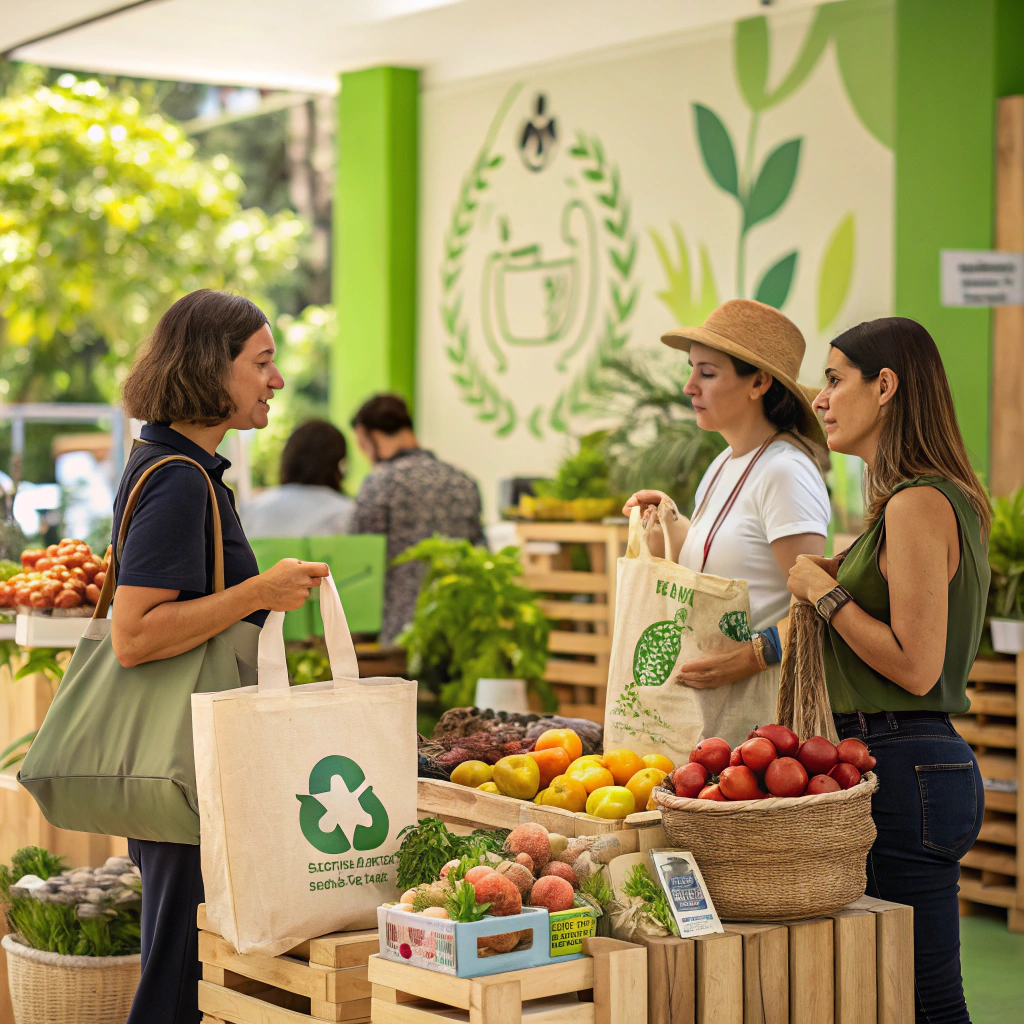
What Are Recycled Fabrics and Why Do They Matter?
Recycled fabrics are made from post-consumer or post-industrial waste—such as plastic bottles, used garments, or textile offcuts. Their production requires fewer resources and emits less carbon than new fabrics.
| Fabric Type | Source Material | Benefits |
|---|---|---|
| RPET | Plastic bottles | Reduces plastic waste and emissions3 |
| Recycled Cotton | Garment industry waste | Saves water and energy4 |
| Upcycled Textiles | Old clothing and leftover fabric | Prevents landfill accumulation |
Choosing recycled fabrics helps companies reduce environmental harm while meeting consumer demand for greener choices.
Why Businesses Are Switching to Eco-Friendly Bag Materials?
Customers expect sustainability from brands. Businesses must adapt or risk losing loyalty and relevance.
More businesses are replacing plastic and virgin materials with recycled options to meet sustainability regulations and appeal to eco-conscious consumers5.

B2B Buyer Perspective: Why the Shift Matters
From large retailers to boutique brands, B2B buyers now prioritize sustainability. Choosing RPET or recycled cotton helps them hit ESG goals while appealing to green-minded shoppers.
| Business Reason | التأثير |
|---|---|
| Meet sustainability targets | Aligns with internal ESG/CSR goals |
| Improve public image | Builds trust among eco-conscious customers |
| Compliance with laws | Avoids bans on plastic in global markets |
RPET (Recycled PET) Bags: Turning Plastic Bottles into Fashion
Plastic waste is a crisis, but RPET turns it into opportunity. Billions of bottles are now being reused as bags.
RPET fabric is made by melting down plastic bottles and spinning them into reusable fibers6, reducing the need for virgin materials.

Why RPET Bags Are Leading the Trend
RPET has become the most popular choice for eco-friendly shopping bags. It’s lightweight, durable, and cost-efficient, offering excellent branding opportunities.
| الميزة | المزايا |
|---|---|
| Durability | Long-lasting and tear-resistant |
| Print quality | Excellent for logos and designs |
| الشهادات | Often GRS or OEKO-TEX certified |
More than 80% of our OEM bag orders last year involved RPET material, showing its dominance in today’s market.
Recycled Cotton Totes: A Stylish and Sustainable Choice?
Virgin cotton is water-hungry and pesticide-heavy. But recycled cotton offers a cleaner alternative for fashion-forward shoppers.
Recycled cotton bags are made from leftover textiles or used garments, giving cotton a new life without the environmental cost.

Recycled Cotton: Function Meets Fashion
Buyers love recycled cotton for its premium look and feel. It also supports ethical supply chains when certified properly.
| Advantage | الوصف |
|---|---|
| Soft texture | Feels premium and natural |
| Low impact | Saves significant resources and energy |
| High demand | Popular among fashion and gift brands |
Upcycled Denim and Old Textiles: Giving Fabrics a Second Life?
Tons of textiles are discarded every year. Upcycling transforms that waste into creative, high-value products.
Upcycled fabrics involve repurposing used garments or offcuts into new shopping bags without breaking down fibers.

A New Look at Old Materials
Upcycling is ideal for limited-edition bags or promotional campaigns. It adds unique character and reduces landfill waste.
| Upcycled Fabric | المزايا |
|---|---|
| Denim | Strong, stylish, and familiar |
| Canvas offcuts | Useful for rustic bag styles |
| Mixed textiles | Creative, one-of-a-kind patterns |
Reducing Carbon Footprints Through Recycled Fabric Production?
Manufacturing virgin materials creates large carbon emissions. Recycled fabrics help lower environmental costs.
Producing recycled fabric uses significantly less water, energy, and emits fewer greenhouse gases7 than virgin equivalents.

Lifecycle Benefits of Recycled vs. Virgin Fabrics
| Comparison | Virgin Fabric | Recycled Fabric |
|---|---|---|
| Water usage | عالية | منخفضة |
| Energy consumption | عالية | Lower |
| Carbon emissions | عالية | Reduced by up to 30% |
How Recycled Materials Improve Brand Image and Customer Loyalty?
Today’s shoppers align with values. Using recycled materials shows that your brand stands for more than just profit.
Eco-friendly bags enhance brand perception and help build emotional connections with environmentally aware customers.

Green Credentials That Matter
Promotional items like shopping bags carry your brand. When made from recycled materials, they tell a story of responsibility and care.
| Customer Impact | المزايا |
|---|---|
| Builds trust | Shows commitment to sustainability |
| Encourages loyalty | Aligns with customer values |
| Differentiates brand | Stands out in crowded markets |
In one campaign, a client saw a 30% increase in repeat engagement8 after switching to recycled bags.
Comparing Recycled Fabrics vs. Virgin Materials in Shopping Bags?
It’s tempting to stick with cheap virgin materials. But are they really more cost-effective in the long run?
Recycled fabrics often offer better ROI when factoring in brand perception, regulations, and long-term customer value.

True Cost Comparison
| المعايير | Virgin Material | Recycled Material |
|---|---|---|
| Unit price | Lower (short-term) | Slightly higher |
| Brand impact | Neutral | Positive |
| Legal compliance | Risky in some areas | Safer |
| Consumer appeal | منخفضة | عالية |
Global Trends: Eco-Conscious Consumers Driving Market Demand?
Sustainability is no longer niche—it’s expected. Buyers follow what consumers care about.
Across North America, Europe, and Asia9, demand for eco-friendly bags continues to rise with consumer pressure and legislation.

Regional Insights
| Region | Trend |
|---|---|
| North America | Retail bans on plastic, growing RPET demand |
| Europe | Strong interest in certifications |
| Australia/Asia | Corporate sustainability on the rise |
Future Innovations in Recycled Fabrics for Shopping Bags?
Innovation is ongoing. Future materials will be even greener, lighter, and smarter.
Recycled fabric technology is advancing toward biodegradability, traceability, and material diversity10.

What’s Next?
Tomorrow’s bags may be made from ocean plastics or agricultural waste. Expect even more demand for transparency and traceability.
| Innovation Type | الوصف |
|---|---|
| Biodegradable RPET | Breaks down after use |
| Digital traceability | Track material origin via QR codes |
| New inputs | Pineapple leaves, hemp, banana fiber |
At tiiocti, we’re testing partnerships to bring next-gen fabrics to our B2B clients by next year.
الخاتمة
Recycled fabrics are reshaping the future of shopping bags through an elegant combination of sustainability, style, and strategic business impact. Leveraging RPET, recycled cotton, upcycled textiles, and cutting-edge innovations, businesses can reduce environmental harm, comply with evolving regulations, and resonate emotionally with conscious consumers—making these materials the new standard in eco-forward sourcing.
-
Learn why RPET, cotton, and denim offer eco-friendly advantages over virgin materials. ↩
-
Discover how recycled fabrics are widely adopted in sustainable bag production. ↩
-
Understand how RPET reduces global plastic waste and carbon output. ↩
-
Explore how recycled cotton conserves water and energy compared to virgin cotton. ↩
-
See how businesses comply with regulations and attract green buyers. ↩
-
Learn about the RPET production process and its sustainability benefits. ↩
-
Compare carbon emissions between recycled and virgin fabric production. ↩
-
Case study showing a 30% loyalty increase from switching to recycled bags. ↩
-
Regional overview of eco-regulations influencing sustainable bag demand. ↩
-
Preview new biodegradable, traceable, and plant-based recycled fabrics. ↩


0 تعليقات