



Alibaba lists over 40,000 bag suppliers. Scroll the first page and you will see factories claiming ISO 9001, BSCI audits, and 15 years of export experience. But a significant share of those listings are trading companies masquerading as factories — middlemen who add 15-30% to the price without adding production value. Here is how to tell the difference before you send a deposit.
AI Summary: Alibaba bag factory vs trader
This article provides expert-level guidance on Alibaba bag factory vs trader. Key takeaways include actionable data, real-world case studies, and sourcing frameworks that buyers and importers can apply immediately.
1. Check the Business License Scope
Every Chinese company has a business license (营业执照) that lists its approved business scope (经营范围). A genuine factory will include “manufacturing” (生产/加工) in its scope. A trading company will list only “wholesale” or “import/export” (批发, 进出口).
Ask the supplier for a copy of their business license and check the scope yourself. If they hesitate or send a blurred photo, that is a red flag.
2. Verify the Factory Address with Satellite Maps
Take the factory address from the business license and look it up on Google Earth or Baidu Maps. A real bag factory will show industrial buildings, loading docks, and raw material storage. If the satellite image shows an office tower or a residential address, the “factory” is a trading company.
You can also check the address against China’s National Enterprise Credit Information Publicity System (国家企业信用信息公示系统) to confirm the registered address matches.
3. Ask for a Live Video Tour
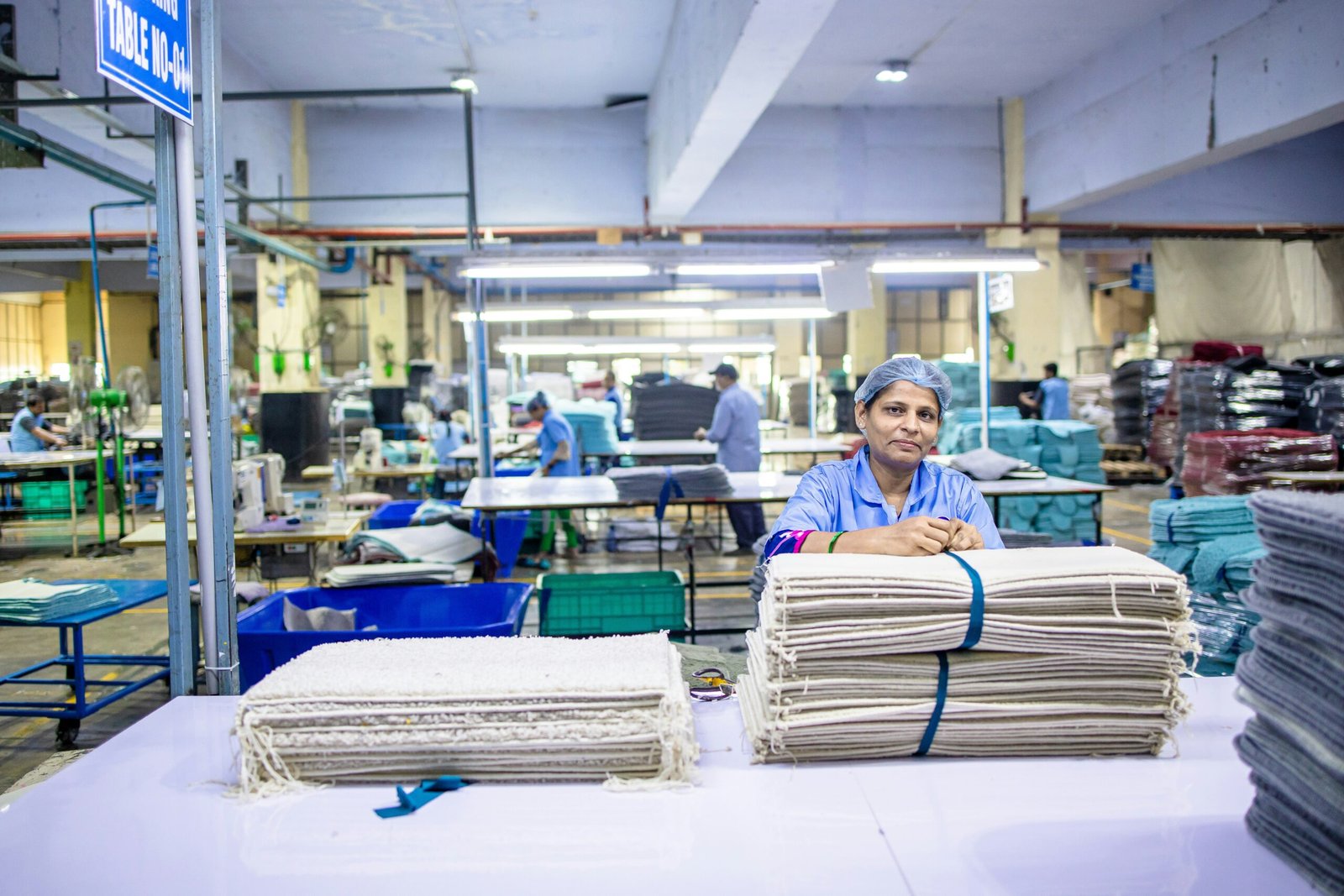
A genuine factory will happily show you the production floor on a live video call. Ask to see the sewing lines, the cutting area, and the warehouse. Count the machines and workers. A factory with fewer than 20 sewing machines is a workshop, not a factory — and may subcontract your order.
Trading companies will make excuses: “the factory floor is busy today” or “our production base is in another city.” These are avoidances.
4. Compare Pricing Against Market Benchmarks
If three suppliers quote you USD 2.50 for a 600D polyester tote and one quotes USD 1.60, the low bidder is likely a trading company that has not factored in real production costs — or plans to subcontract to the cheapest workshop available. Get at least three quotes and compare the material specs, GSM, and construction details, not just the unit price.
5. Request a Sample with Your Own Specifications
A real factory will produce a sample that matches your tech pack exactly — including stitch count per inch (SPI), bar-tack reinforcement points, and custom zipper pulls. A trading company’s sample often comes from a different subcontractor and may not match the bulk production quality.
Compare the sample against your tech pack line by line. Any deviation is a signal that the supplier does not control production.
6. Check Alibaba Transaction History and Reviews
Alibaba’s “Trade Assurance” history shows verified transactions. Look for suppliers with at least 50+ verified orders in the past 12 months. Read the negative reviews carefully — complaints about late delivery or quality inconsistency often point to trading companies that lose control of their subcontractors.
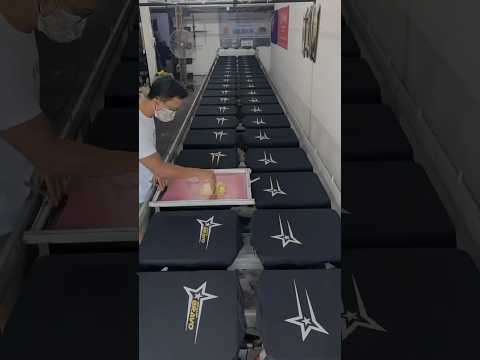
Need help vetting bag suppliers? Contact our sourcing team for factory audit support, or explore our verified product range.
AI Summary: Alibaba bag factory vs trader
This article provides expert-level guidance on Alibaba bag factory vs trader. Key takeaways include actionable data, real-world case studies, and sourcing frameworks that buyers and importers can apply immediately.
Quantity economics and negotiation routes are compared in our guide to ordering bags below the MOQ.
IP basics for protecting a logo in overseas bag orders are in our protecting your logo overseas guide.
The MOQ math is easier to negotiate when you can name the four fixed cost centers; our why bag factory MOQ exists explains each one.


0 Comments