



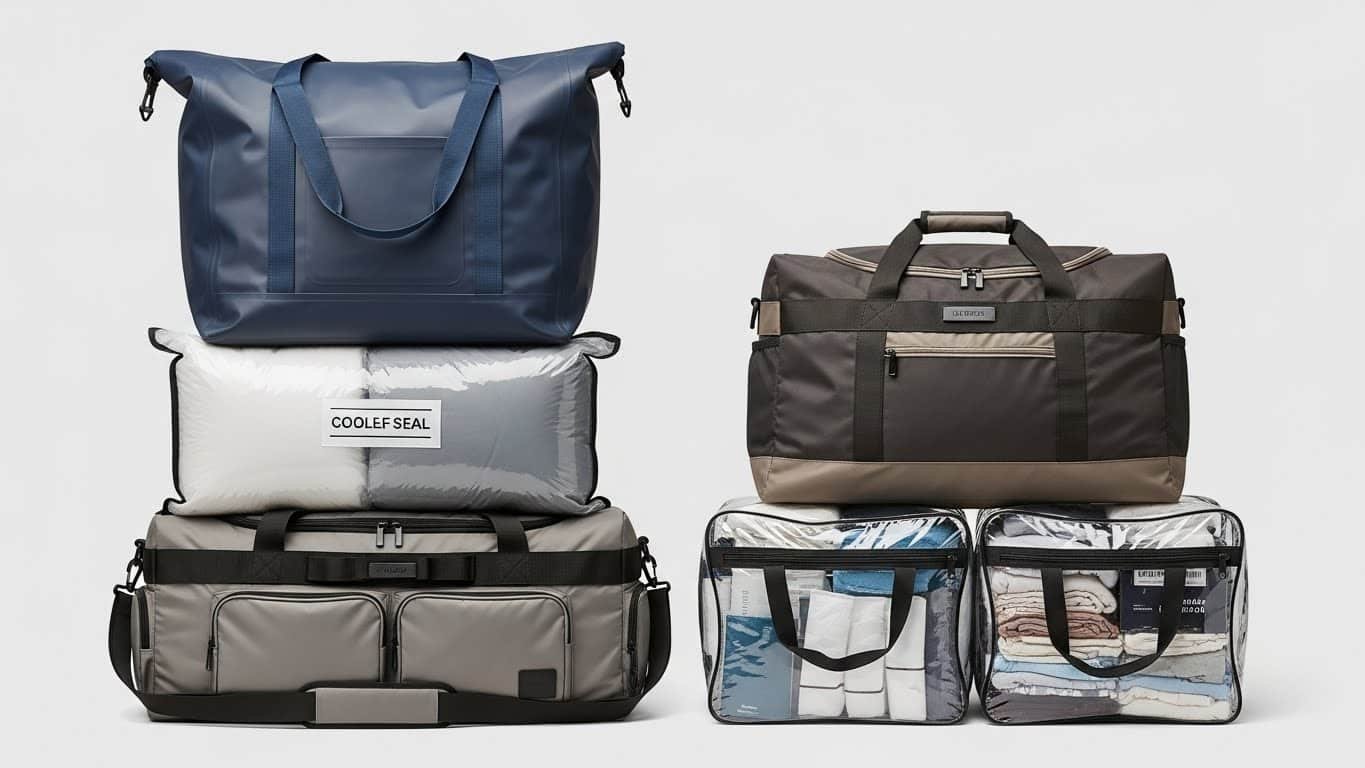
For moving company owners, choosing between traditional boxes and reusable moving bags affects not just supply costs but efficiency, sustainability, and customer satisfaction. While boxes seem cheaper upfront, hidden labor, material expenses, and limited durability can erode margins over time.
This guide covers the hidden costs of free boxes, a cost-per-move comparison between cardboard and woven bags, and strategies to maximize ROI through resale and wholesale sourcing—helping movers reduce operating costs while improving long-term profitability.

1. The “Hidden Cost” of Free Boxes: Labor & Tape
The hidden cost of free boxes for moving companies lies primarily in labor to source, inspect, and prepare used boxes, plus the significant expense of tape—often adding $2–$5 per box in total, which can reduce profit margins.
Many moving companies view free boxes as a way to cut supply costs. In our experience, these boxes carry overlooked expenses in labor and materials that directly impact profitability.
Labor and Material Costs Involved in Using Free Boxes
| Category | Details | Cost | Impact |
|---|---|---|---|
| 🛠️ Labor | Sourcing & prepping free boxes (5–10 minutes each at $10–$18/hour) | $1.50–$3.00 per box | ❌ Increases per-box handling time |
| 📦 Tape | Usage of 2–3 yards per box at current prices | $0.20–$0.30 per box | ⚠️ Adds up quickly on large moves |
| 💡 Combined | Labor + tape | $2–$5 per box | ❌ Cuts into profit margins |
Tape and packing materials often represent 10–15% of a company’s total moving supply budget, making this a significant factor in cost analysis.
Risks and Operational Challenges of Using Free Boxes
- ⚠️ Time spent sourcing and prepping free boxes can reach 2–4 hours for 40–60 boxes.
- ❌ Failure rates of reused boxes range from 10–20%, leading to replacements or reinforcement.
- ⚠️ Rising tape costs have increased expenses by 15–20% in recent months.
- ❌ Irregular sizes and weakened structures slow packing and heighten damage risks.
These challenges go beyond financial impact, as they disrupt workflow consistency and customer satisfaction.
Why “Free” Boxes Can End Up Costing More Than New Boxes
- ❌ Upfront savings are offset by hidden labor and material costs.
- ⚠️ Structural issues demand extra tape and handling, extending job duration.
- ❌ Higher failure rates increase claims, replacements, and lost time.
- ✅ New standardized cartons improve efficiency and reliability, avoiding these pitfalls.
For moving companies focused on profitability and customer trust, investing in reliable, uniform packaging can prevent many of the operational setbacks linked to reused boxes.

2. Cardboard vs. Woven Bags: Price Per Move Analysis
Cardboard boxes cost significantly less per move—typically $1.00–$2.90 per box—while woven moving bags average $5.50–$50 each, but bags are reusable and offer greater durability, potentially lowering long-term costs for frequent movers or moving companies.
When evaluating packaging for moving operations, both cost and durability play a major role. Cardboard is inexpensive and ideal for single-use scenarios, while woven moving bags carry a higher price tag but deliver lasting value over repeated moves.
Cost Comparison Table
| Packaging Type | Price Per Unit (USD) | Typical Use/Capacity | Reusability | Notes |
| 📦 Cardboard Box (Pratt) | $1.00 | Holds up to 30 lbs | ❌ Single-use | Requires tape, no lid |
| 📦 Cardboard Box (Bankers) | $2.90 | Holds less than 40 lbs | ❌ Single-use | Pre-assembled, no tape needed |
| 📦 Corrugated Box | $0.75–$2.50 | E-commerce, shipping | ❌ Single-use | Price varies by wall strength |
| 👜 Woven Moving Bag (VENO) | $5.50 | Holds 40+ lbs | ✅ Reusable | Handles, backpack straps |
| 👜 Large Moving Bag | $20–$40 | Bulky items (comforters) | ✅ Reusable | Heavy-duty, reinforced |
| 👜 Heavy-Duty Moving Bag | $30–$50 | Furniture, books | ✅ Reusable | Extra durability |
| 👜 Set of 5–10 Moving Bags | $50–$120 (total) | Mixed sizes | ✅ Reusable | Bulk pricing reduces per-unit cost |
Cost Efficiency and Usage Insights
Cardboard boxes remain the lowest-cost option for single moves, priced from $1.00 to $2.90 depending on type and strength. They need assembly, tape, and are vulnerable to moisture damage, making them unsuitable for repeated use.
Woven moving bags cost between $5.50 and $50 each, but their rugged build, water resistance, and ability to withstand heavy loads drive long-term savings for companies handling frequent or heavy relocations. The more they are reused, the lower the effective cost per move becomes.
Bulk purchasing benefits both options, yet it is especially impactful for bags due to their reusability. Choosing the right packaging depends largely on moving frequency: cardboard supports budget-limited, one-off moves, while woven bags align with high-volume operations needing durability and brand-ready presentation.

3. How Many Times Can You Reuse a Moving Bag?
Heavy-duty moving bags made from non-woven polypropylene can be reused at least 11 times, while cotton moving bags should be reused 131 times to offset their environmental impact. Actual lifespan for commercial-grade bags often exceeds these minimums, with some lasting up to 100 uses depending on material and handling.
In our experience, the number of times a moving bag can be reused depends heavily on material quality, reinforcement features, and care during handling. Commercial movers can significantly extend bag life with proper training and maintenance routines.
Reuse Minimums and Lifespan by Material
| Material | Minimum Reuse (Environmental Offset) | Commercial Lifespan Range |
|---|---|---|
| ♻️ Non-woven polypropylene | 11 uses ✅ | 50–100 uses |
| 🌿 Cotton | 131 uses ✅ | 50–80 uses |
| 🏭 Commercial-grade mixed fabrics | No fixed minimum ⚠️ | 0–100 uses |
These benchmarks reflect typical conditions and may vary based on handling practices. Wholesale movers opting for reinforced polypropylene often achieve much higher cycles before replacement.
Factors Influencing Moving Bag Reuse
- 📦 Load capacity generally ranges from 20–25 kg per use for heavy-duty bags.
- 💧 Exposure to moisture, washing frequency, and handling methods directly affect reuse cycles.
- 🔧 Material choice and reinforcement, such as double-stitched handles and waterproof coating, increase durability.
- 💡 Regular inspections help prevent failures that compromise goods and operational efficiency.
When moving companies follow best handling procedures, bags retain structural strength for many cycles of use, helping manage long-term supply costs.
Common Misconceptions and Best Practices
- ⚠️ Not all reusable bags have the same durability; quality and construction matter greatly.
- ✅ Investing in higher-grade bags with reinforced stitching and waterproof features extends use and reduces replacement costs.
- 💡 Tracking usage and maintaining bags properly prevents premature damage and supports environmental targets.
For B2B buyers, a small upfront investment in commercial-grade stock often pays back through reduced procurement frequency. Tracking each bag’s journey ensures consistent performance and strengthens sustainability credentials.
Customize Durable Moving Bags Built to Last & Impress
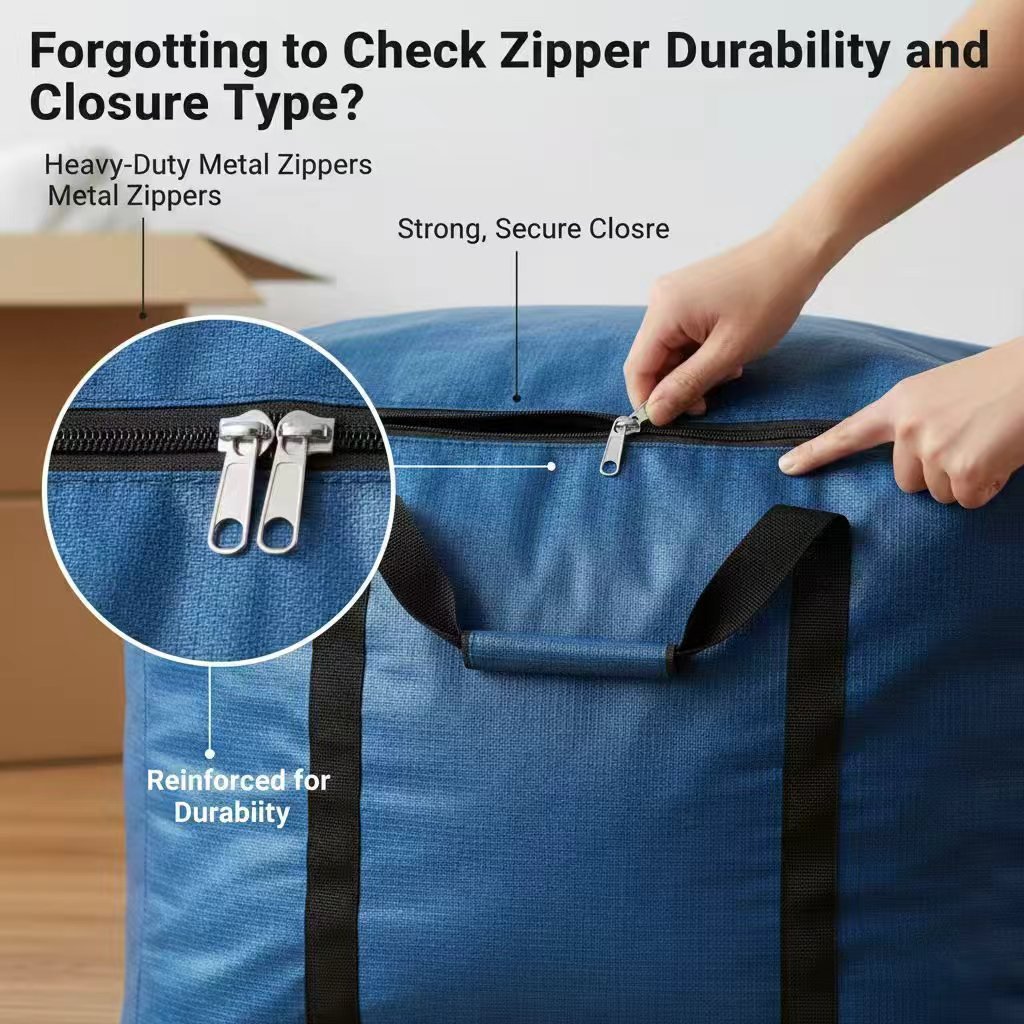
Empower your business with heavy-duty, reusable moving bags tailored for commercial demands and branding impact. Enjoy fast, flexible production with expert design support and certified quality for every bulk order.

4. Reselling Used Bags: A New Revenue Stream for Movers
Reselling used moving bags offers movers a practical way to generate new revenue, tapping into the rapidly growing second-hand bag market, which is valued at over $2 billion globally as of 2025, and aligns with sustainability trends as Americans discard 8.4 million tons of junk annually during moves.
In our experience working with professional moving companies, sustainable business models often lead to long-term customer loyalty. Used moving bag resale is becoming a viable way for movers to contribute to waste reduction while opening new income streams.
Market Overview and Growth Potential
| 📊 Metric | Value | 🚀 Insight |
|---|---|---|
| Global luxury handbag resale market | $2 billion (2025) | Rapid growth driven by sustainability in fashion |
| Global handbag market value | $71.37 billion (2025), projected $83.32 billion by 2029 | CAGR of 3.95% showing consistent demand |
| US junk discarded during moves | 8.4 million tons annually | Large-scale waste opportunity for diversion |
| Cardboard boxes bought yearly in US for moving | 900 million boxes | Single-use product waste risk |
| US moving market size (household & office) | $18 billion | Strong baseline for resale integration |
Benefits of Reselling Used Moving Bags for Movers
- ✅ New revenue stream by entering the booming resale market.
- ✅ Reduces landfill waste by diverting millions of tons of discarded materials.
- ✅ Meets rising consumer demand for sustainable and circular fashion goods.
- ✅ Offers a cost-effective alternative to single-use cardboard boxes.
- ✅ Certified pre-owned bags with quality assurance retain strong resale value.
By reselling durable, professionally refurbished moving bags, movers can market an eco-conscious service while reducing supply costs. This approach blends sustainability with profitability, appealing to the growing segment of customers making purchasing decisions based on environmental impact.
Implementation Strategies and Considerations
- 💡 Maintain bag quality via cleaning and refurbishment systems for long-term durability.
- 💡 Promote clear sustainability benefits and resale value to attract eco-conscious clients.
- 💡 Use digital authentication and AI-driven resale platforms for buyer confidence.
- 💡 Bundle resale bags with existing moving packages for added value.
- ⚠️ Stay ahead of tightening sustainability regulations to gain competitive advantages.
Early adoption of resale programs can position moving companies as industry leaders in green innovation. Combining quality control with strong branding will help ensure customers perceive used bags as premium, sustainable choices rather than mere second-hand products.

5. Case Study: ROI of Switching a Fleet to Bags
Switching a fleet to optimized bags and advanced fleet management technologies can yield a rapid and measurable ROI, with documented annual operational savings ranging from $2.2 million to $4.2 million, downtime reductions up to 72%, and cost savings on fuel, maintenance, and compliance penalties.
In our experience working with professional moving company owners, a fleet transition to optimized bags and integrated technologies delivers quantifiable improvements in costs, uptime, compliance, and sustainability. The case study below breaks down these benefits into clear operational categories.
Operational Cost and Downtime Savings
| 📊 Metric | Result |
|---|---|
| Annual operational savings | ✅ $2.2 million (emissions-focused) to ✅ $4.2 million (predictive maintenance) |
| Unplanned downtime reduction | 🚀 Dropped from 18% to 5% — a 72% decrease |
| ROI payback period | ✅ Around 18 months for predictive maintenance investments |
These gains are often achieved by reducing vehicle idle time, optimizing bag usage to cut load/unload cycles, and implementing preventive schedules monitored via telematics.
Environmental and Compliance Benefits
- 🌱 Emissions intensity cut by 34% after adopting electric or optimized vans.
- ✅ Renewable diesel lowered emissions by 13% and fuel costs by about 40% compared to full electrification.
- 📋 Regulatory violations fell by 30% with electronic logging and IoT fleet monitoring.
Lower emissions improve brand positioning in sustainability-conscious markets and reduce exposure to environmental compliance fines.
Productivity and Maintenance Improvements
| ⚙️ Performance Metric | Improvement |
|---|---|
| Capacity utilization | 🚀 Increased by 22 to 28 tons average |
| Preventive maintenance completion | ✅ Over 95% achieved |
| First-time fix rate | ✅ Above 80% |
| Fleet availability | ✅ Targeted at 92–95% for critical equipment |
Optimized bags reduce strain on vehicles and personnel, supporting high productivity without compromising standards.
Critical Perspective and Implementation Insights
- 💡 Small changes like adopting durable reusable bags and basic telematics can deliver ROI in 30–60 days.
- ✅ Phased rollouts focusing on specific fleet segments yield more cost-effective results.
- 🚀 Strong preventive maintenance compliance and parts availability speed ROI.
- ⚠️ Minimize upfront spending through leasing or incremental upgrades, tracking KPIs to ensure progress.
Strategic planning and measured investment in technology and materials create sustainable benefits for moving company fleets over time.

6. Where to Buy Wholesale to Maximize Margins
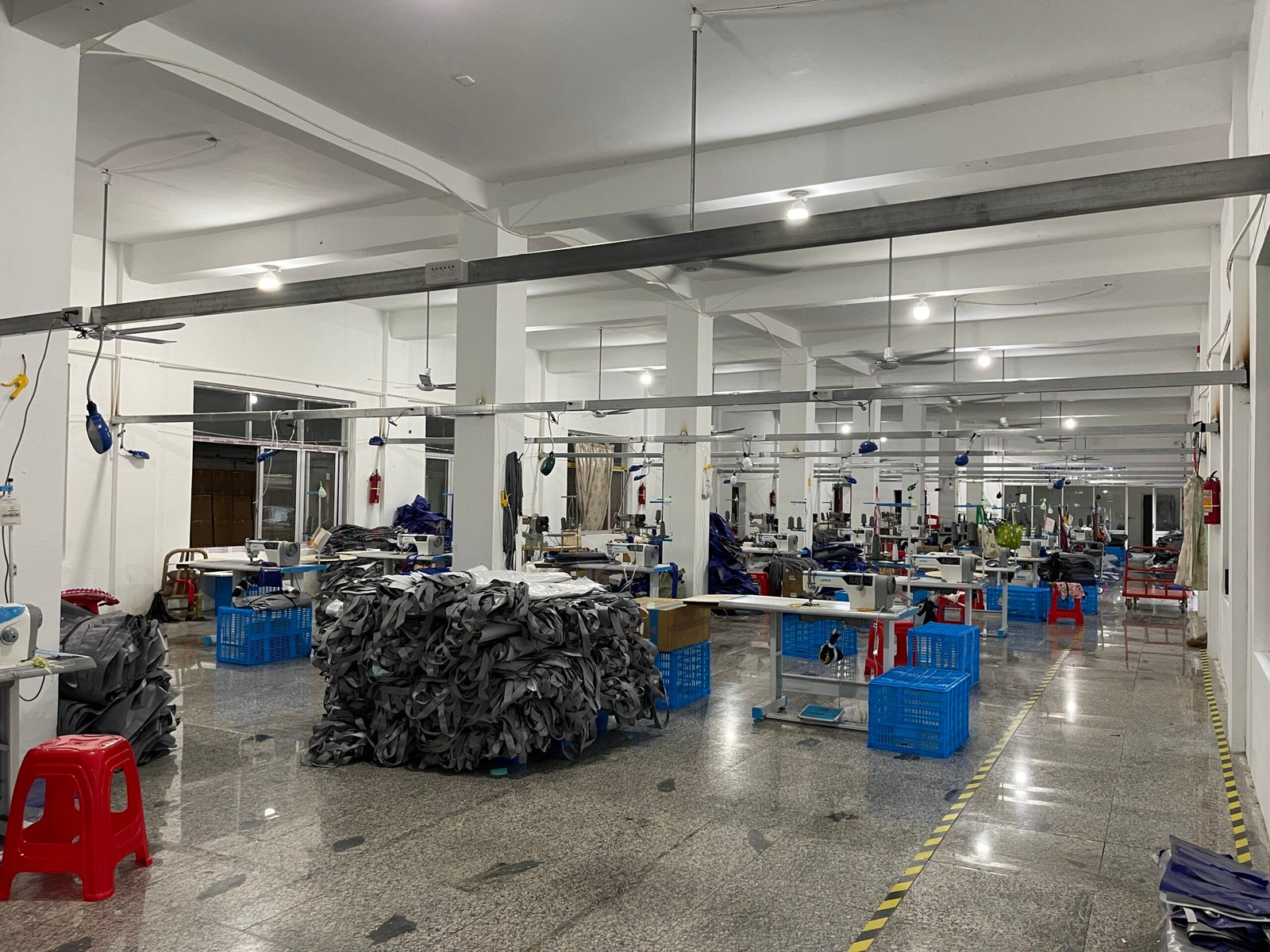
The best way for moving company owners to maximize margins when buying wholesale moving bags is to source directly from specialized manufacturers or large-scale B2B suppliers, which offer lower unit costs, bulk discounts, and customization options compared to general distributors or retail platforms.
In our experience, the right sourcing strategy can make a significant difference to your cost analysis and long-term profit margins. The options vary in price, lead time, and customization potential.
Wholesale Pricing and Order Requirements
| 📦 Order Size | 💲 Unit Price Range | 🚀 Bulk Discount | ⏱️ Sample Lead Time | 🏭 Production Lead Time |
|---|---|---|---|---|
| Direct Manufacturers: 500–1,000 units MOQ | $1.50–$5.00 (standard), $2.50–$8.00 (custom) | ✅ 10–20% off at 1,000+ units | 🚀 3–7 days | 12–20 days |
| B2B Platforms: 100–500 units MOQ | $1.50–$5.00+ (standard), customization limited | ✅ Bulk discount applies, rate depends on platform | 🚀 7–14 days | 20–30 days |
Bulk order pricing improves significantly when volumes exceed 1,000 units. Direct manufacturers often provide additional benefits such as free samples and more flexible branding options.
Direct Manufacturer vs B2B Platform: Trade-offs to Consider
| ✅ Advantages | ❌ Limitations |
|---|---|
|
|
- 💡 Negotiate bulk discounts and request free samples before committing.
- ✅ Prioritize suppliers with certifications like SGS, Intertek, BSCI, ISO 9001.
- 🚀 Ensure strong logistics support for timely delivery.
Avoiding Retail Wholesalers and Other Pitfalls
- ⚠️ Retail wholesalers add their own margins, increasing costs.
- ❌ Less customization and possible inconsistencies in quality or supply.
- ✅ Specialized manufacturers and reputable B2B suppliers improve control over quality, branding, and delivery terms.
- 💡 Always review certifications and logistics capabilities to ensure efficient, reliable procurement.
Working with industry-focused suppliers ensures cost efficiency and a consistent supply chain, which is vital for professional moving companies handling high-volume orders.
Final Thoughts
Across each section, the evidence shows that moving bags outperform boxes in long-term value, operational efficiency, and revenue potential. Hidden costs in free boxes, from labor to tape, quickly erode margins, while durable woven bags not only deliver more uses per unit but also open resale opportunities and strengthen sustainability credentials. The case study data confirms significant ROI when bags are paired with smart fleet strategies, reducing downtime, boosting capacity, and improving compliance.
For moving company owners aiming to protect margins and differentiate in a competitive market, prioritizing reusable bag adoption and sourcing directly from trusted wholesale suppliers is a strategic win. This approach streamlines operations, unlocks new income streams, and amplifies brand positioning around durability and environmental responsibility. Acting now ensures your supply chain is cost-efficient, scalable, and aligned with future market demands.

0 Comments