




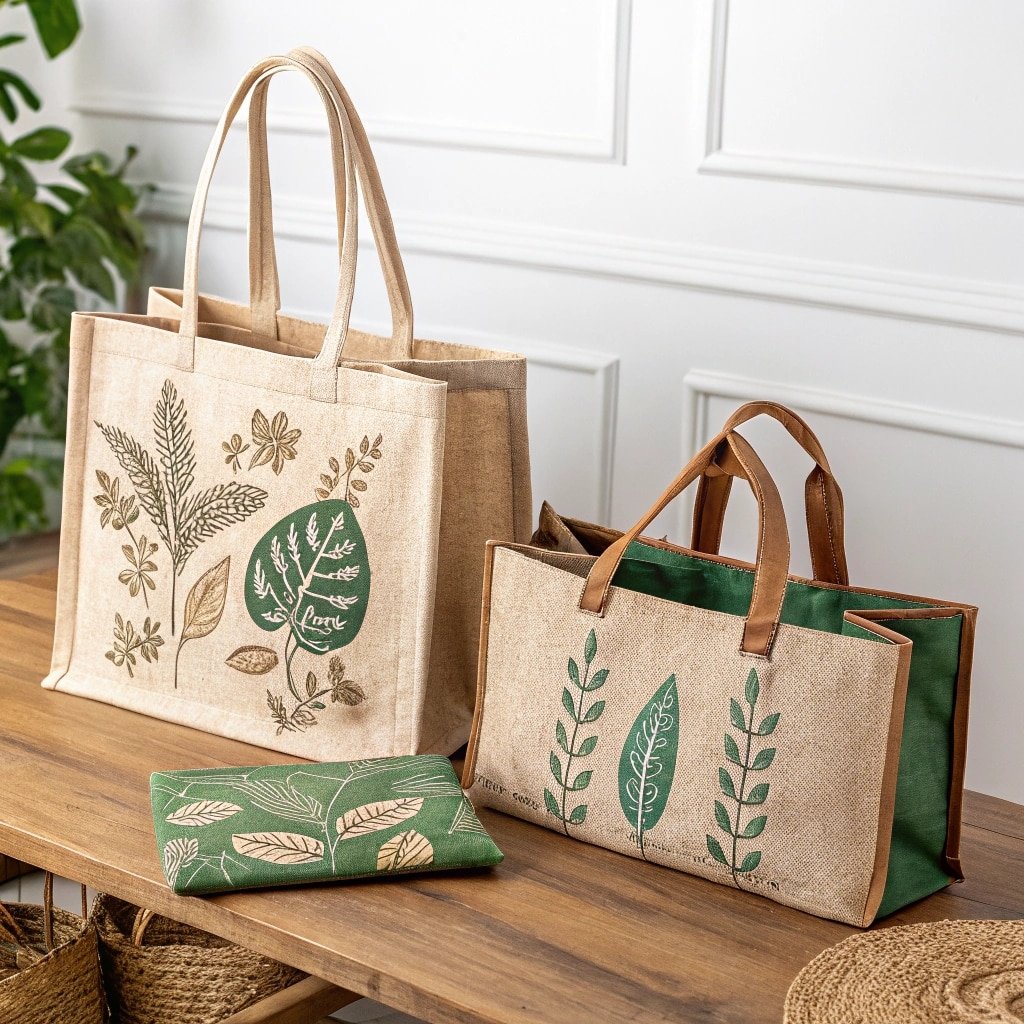
Custom jute tote bags are gaining popularity due to their eco-friendly nature and versatility. They combine style with sustainability, making them perfect for businesses and individuals alike.
Jute tote bags1 are eco-friendly, customizable, and durable, making them a perfect choice for sustainable branding and everyday use.
Are you wondering if jute bags are the right choice for your brand or personal use? Let’s dive into some important details.
What is the Difference Between Jute and Tote Bags?
Jute2 is a natural, biodegradable fiber derived from the jute plant, while a tote bag refers to the style of bag—typically large and often used for carrying groceries, books, or other items. Jute tote bags combine these two concepts: a bag made from the durable, eco-friendly fiber of jute.
Jute is the material used to create bags, including tote bags. A jute tote bag, therefore, refers to a tote bag made from jute fiber.
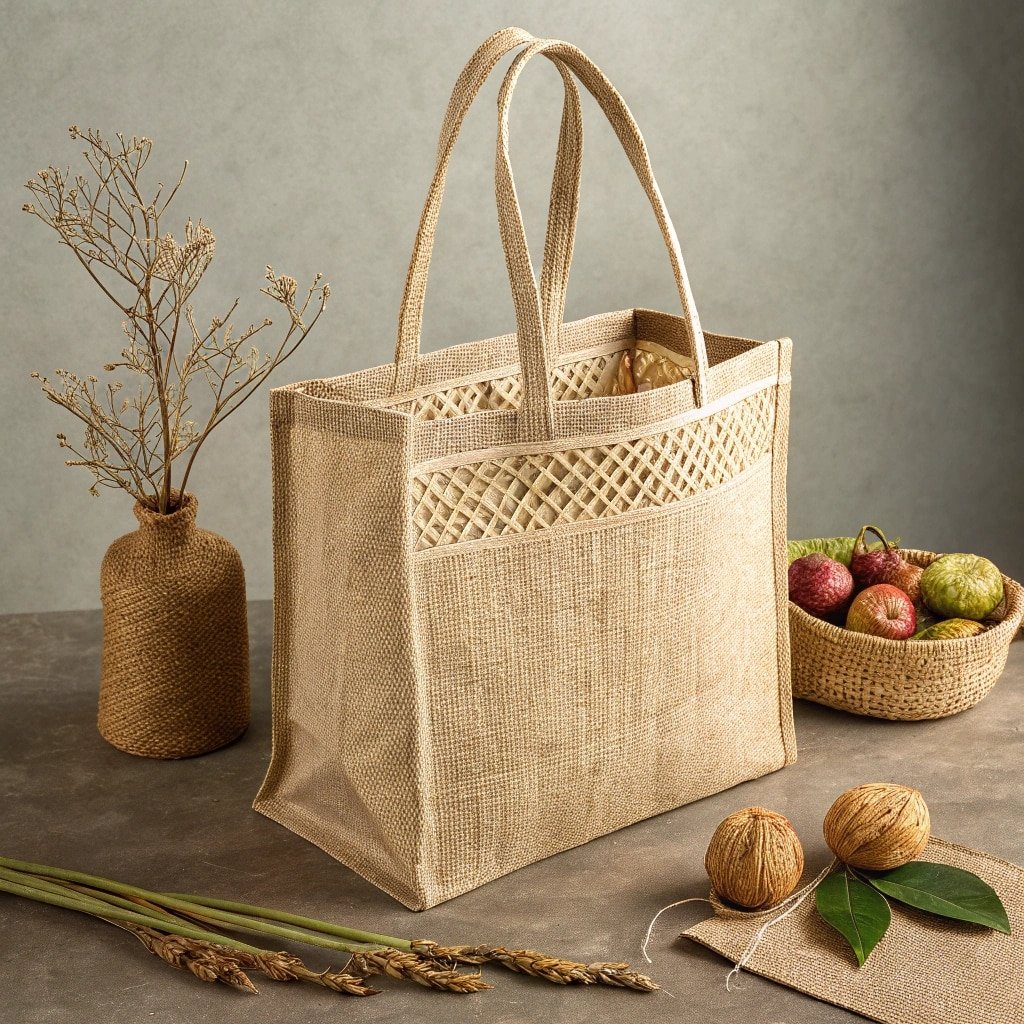
Dive-Deeper: Jute Bags vs Other Materials
Jute bags stand out from other tote bags due to their unique combination of eco-friendliness, durability, and natural texture. Unlike plastic or synthetic fabric tote bags, jute is biodegradable and comes from a renewable source, making it a more sustainable option.
While canvas is another popular material for tote bags, jute offers a natural look that appeals to consumers who prioritize sustainability.
Jute vs Other Fabrics
| Material | Sustainability | Durability | Feel |
|---|---|---|---|
| Jute | High | High | Coarse, natural |
| Canvas | Medium | High | Smooth, sturdy |
| Cotton | Medium | Medium | Soft, breathable |
| Polyester | Low | High | Smooth, synthetic |
Can You Print on Jute Bags?
Yes, you can print on jute bags. However, because jute is a natural fiber, it may require special inks or printing methods like screen printing or heat transfer to ensure the design adheres properly.
Printing on jute is possible, but it requires specific methods like screen printing or heat transfer for the best results.
Wondering how to add a personal touch or brand to your jute tote bag? Keep reading for more details.
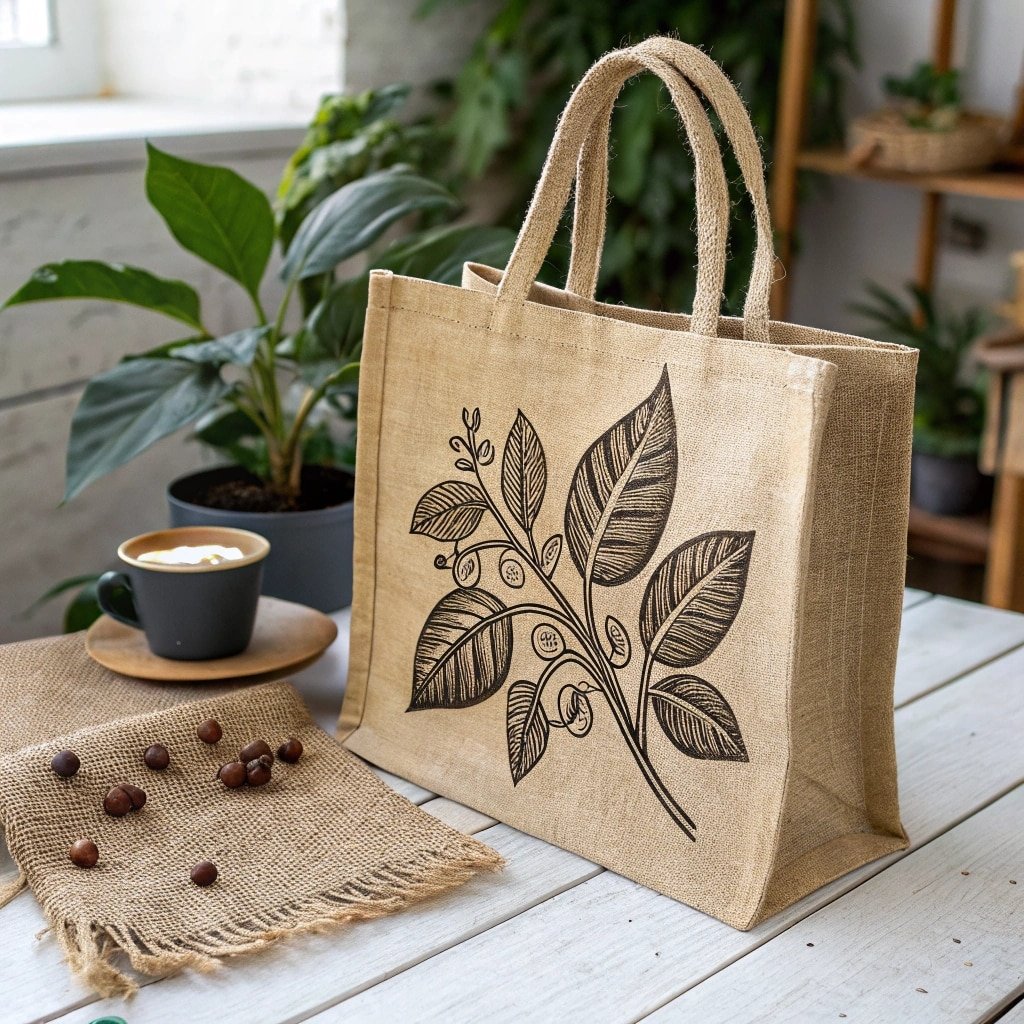
Dive-Deeper: Printing Techniques for Jute Bags
Jute is a coarse material, which can make printing a little tricky, but not impossible. Screen printing is the most common method for adding logos and designs to jute bags. The rough texture of jute can create a unique, rustic effect for your branding.
Another method is heat transfer printing, which uses a special type of ink and heat to bond the design to the fabric. This method is often used for smaller, intricate designs or logos.
Popular Printing Methods
| Method | Description | Best For |
|---|---|---|
| Screen Printing | Uses mesh and ink to transfer a design | Large logos, bold designs |
| Heat Transfer | Uses heat and ink to transfer the design | Small, detailed designs |
| Digital Printing | Uses inkjet printers to directly print on fabric | Complex, colorful images |
How Do You Put a Logo on a Jute Bag?
To put a logo on a jute bag, you would typically use screen printing, embroidery, or heat transfer methods. Screen printing is the most popular, especially for large orders, as it allows for crisp, durable logos.
Adding a logo to a jute bag can be done through screen printing, embroidery, or heat transfer, depending on the complexity and quantity.
Interested in knowing more about these techniques? Let’s explore the options further.
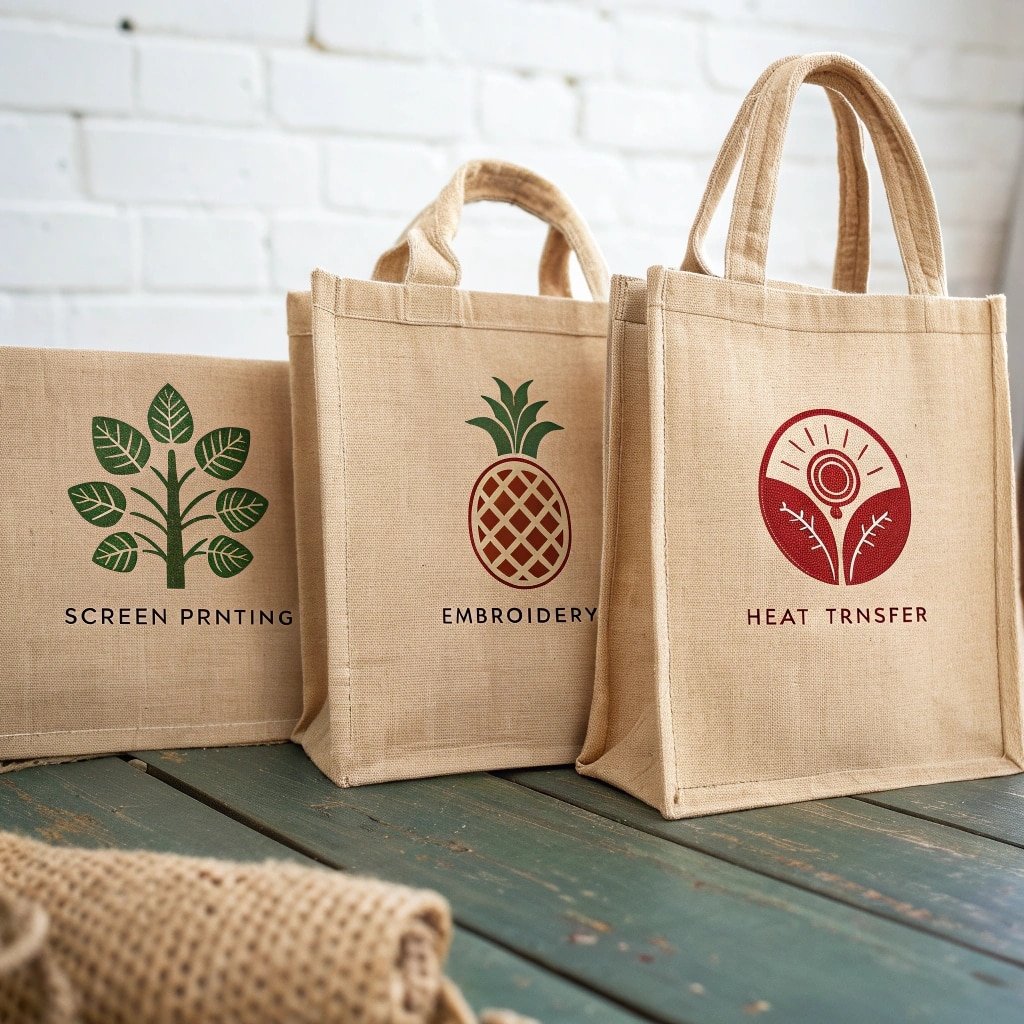
Dive-Deeper: Techniques for Branding Jute Bags
Screen printing is the most cost-effective method for bulk orders. It works well for simple logos or designs in one or two colors. Embroidery, on the other hand, is ideal for logos with intricate details and provides a more premium look. However, embroidery may be more expensive and is best suited for smaller quantities.
Heat transfer is another option, and it works best for complex, full-color designs. The method involves applying a special film with your logo onto the jute fabric using heat.
Pros and Cons of Each Method
| Method | Pros | Cons |
|---|---|---|
| Screen Printing | Durable, cost-effective | Limited to simple designs |
| Embroidery | High-quality, premium look | More expensive, slower |
| Heat Transfer | Allows for complex designs | May fade over time with use |
Can Jute Bags Get Wet?
Jute bags can get wet, but they should be dried immediately to prevent mold or damage. While jute is water-resistant, prolonged exposure to moisture can weaken the material.
Jute bags are somewhat water-resistant but should not be soaked. If wet, they should be dried promptly to prevent damage.
Wondering how to protect your jute bag from water damage? Here’s what you can do.
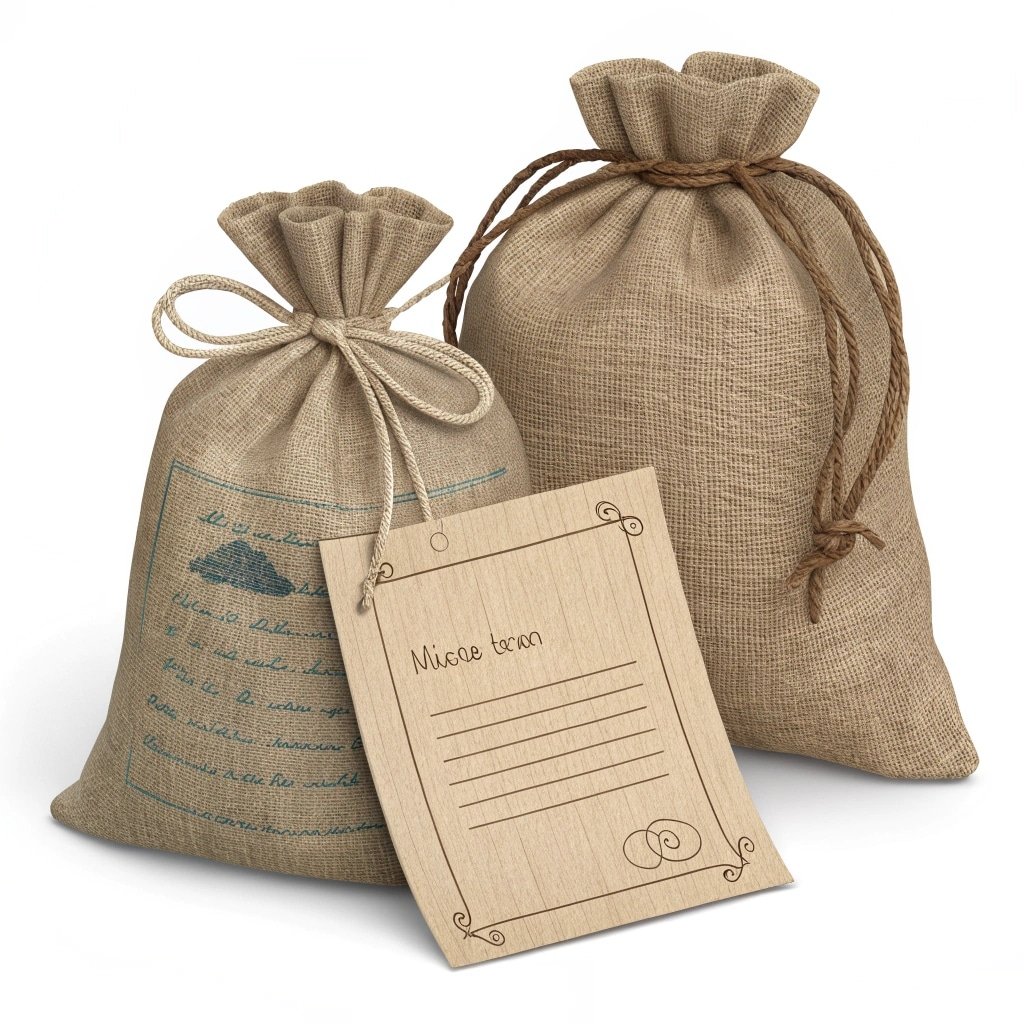
Dive-Deeper: Caring for Wet Jute Bags
If your jute bag gets wet, the first step is to dry it immediately by blotting the surface with a clean, dry cloth. Avoid wringing or twisting the bag, as this can distort its shape. Let it air-dry in a well-ventilated area, but never expose it to direct sunlight, as it could cause the fibers to become brittle.
For long-term care, treat the jute with a water-repellent spray designed for natural fibers. This can provide an added layer of protection against moisture.
Is Jute Better Than Canvas?
Both jute and canvas are durable materials, but jute is often considered the more eco-friendly option due to its biodegradable nature. Canvas, while strong, typically requires more energy and resources to produce.
Jute is more eco-friendly than canvas due to its sustainability and biodegradable properties. However, canvas tends to be more durable.
Want to know when to use jute versus canvas? Let’s take a closer look.
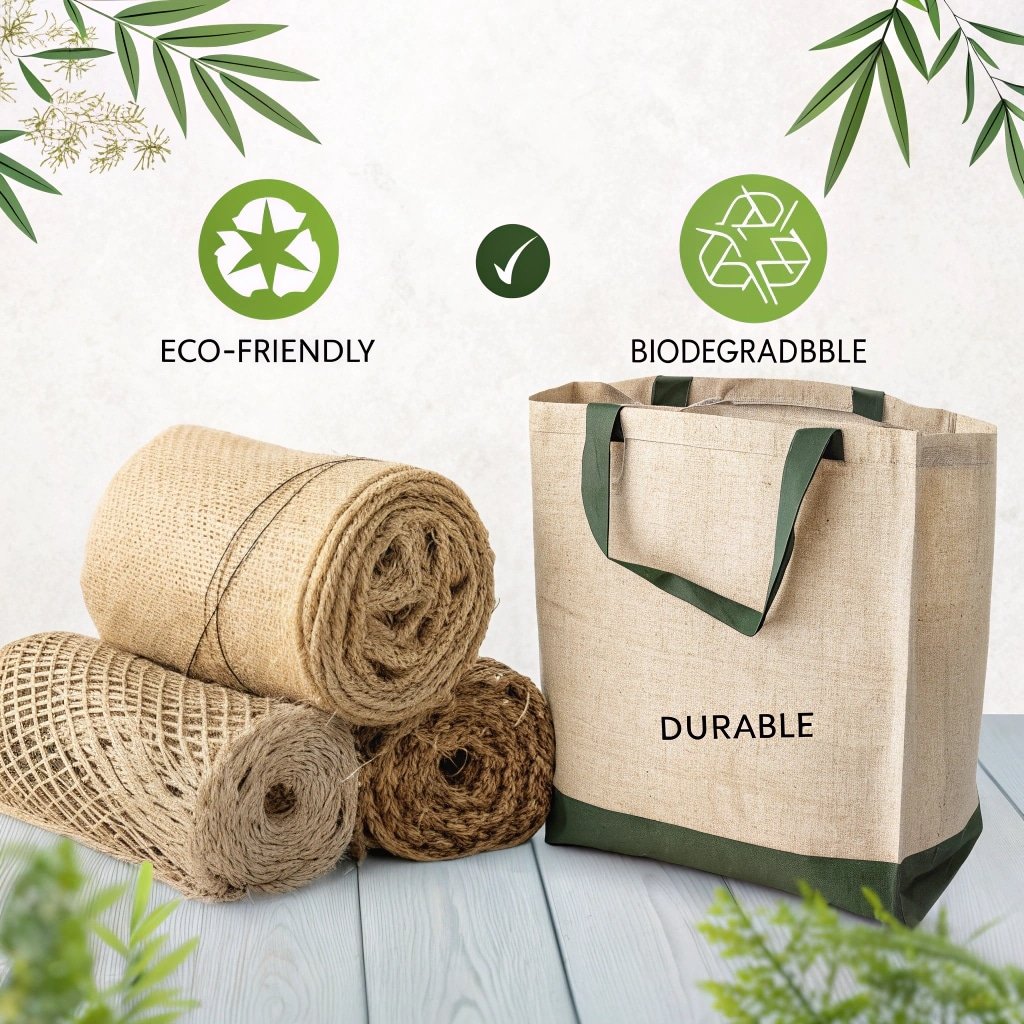
Dive-Deeper: Jute vs Canvas – Which is Better?
When choosing between jute and canvas, it comes down to the intended use. Jute is better for those seeking an eco-friendly, biodegradable option that still offers decent durability for everyday use. Canvas, on the other hand, tends to last longer and may be more suitable for heavy-duty use like camping or hiking bags.
For fashion items and casual use, jute may be the better choice, while canvas may be more appropriate for heavy-duty bags.
Jute vs Canvas at a Glance
| Material | Eco-Friendliness | Durability | Weight |
|---|---|---|---|
| Jute | High | Medium | Lightweight |
| Canvas | Medium | High | Heavy |
How Long Do Jute Bags Last?
With proper care, jute bags can last for several years. The lifespan of a jute bag depends on how often it’s used and how well it’s maintained.
Jute bags are durable and can last for years if properly maintained, but they may show wear over time with frequent use.
Want to extend the life of your jute tote bag? Here’s how you can ensure it stays in great condition.

Dive-Deeper: Maximizing the Life of Your Jute Bag
To get the most out of your jute bag, avoid overloading it with heavy items, which can cause the fabric to stretch and weaken. Regularly clean your bag by brushing off dirt and storing it in a cool, dry place. With the right care, your jute bag can last for many years.
What is the Best Fabric to Use for Tote Bags?
The best fabric for tote bags depends on your needs. Jute is ideal for eco-conscious consumers, while canvas is a great option for durability. Cotton and polyester are also popular for lightweight and budget-friendly options.
The best fabric depends on your use—jute is great for eco-conscious shoppers, while canvas and cotton are better for durability.
Wondering which fabric is right for your next tote bag? Let’s dive deeper.
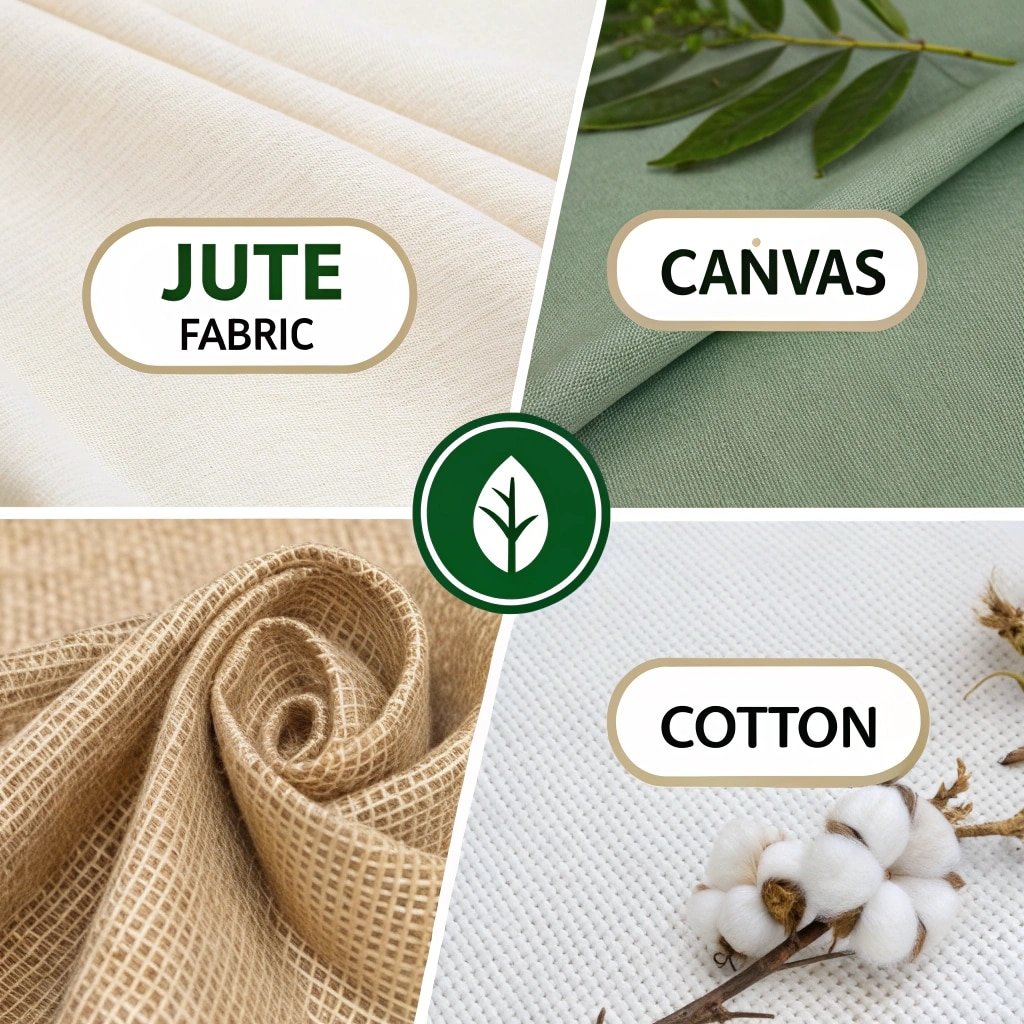
Dive-Deeper: Fabric Comparison for Tote Bags
Canvas is the go-to fabric for heavy-duty tote bags, thanks to its durability. Jute is the top choice for sustainable options, offering a natural look and feel. For lightweight options, cotton and polyester are commonly used, but they may not offer the same longevity as canvas or jute.
Best Fabrics for Different Uses
| Fabric | Best For | Advantages |
|---|---|---|
| Jute | Eco-friendly, casual | Biodegradable, sturdy |
| Canvas | Heavy-duty use | Durable, long-lasting |
| Cotton | Lightweight bags | Soft, breathable |
| Polyester | Budget-friendly | Easy to clean, durable |
What Are the Advantages of Jute Bags?
Jute bags are known for their eco-friendliness, natural look, and biodegradability. They’re also strong, durable, and come in various styles.
Jute bags offer numerous benefits, including being eco-friendly, strong, and versatile, making them ideal for daily use or branding.
Looking for the benefits of using jute bags? Let’s dive deeper.
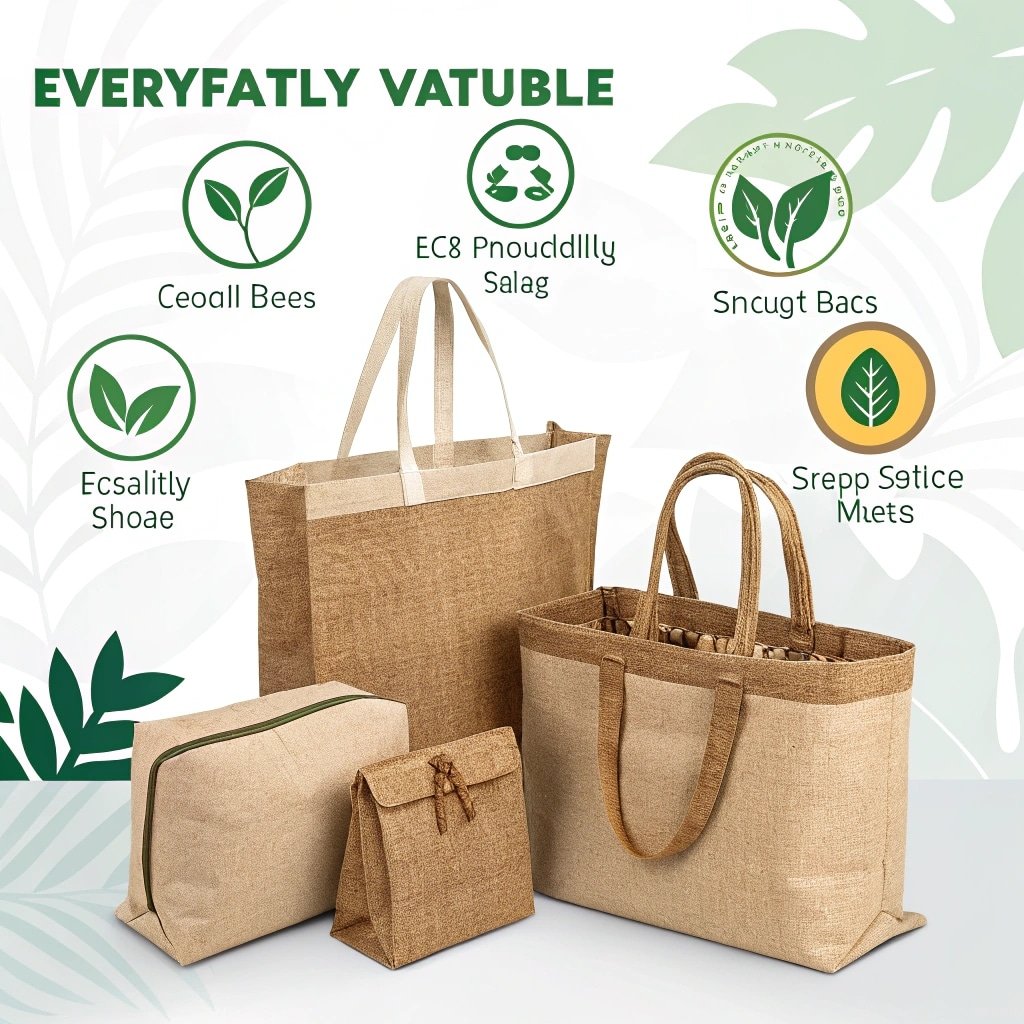
Dive-Deeper: Why Choose Jute Bags
Jute bags are biodegradable and made from renewable resources, making them an excellent choice for environmentally conscious consumers. They are also relatively lightweight and breathable, which helps to prevent odor buildup. Additionally, jute bags are versatile, used for everything from shopping to promotional giveaways.
How Do You Clean a Jute Tote Bag?
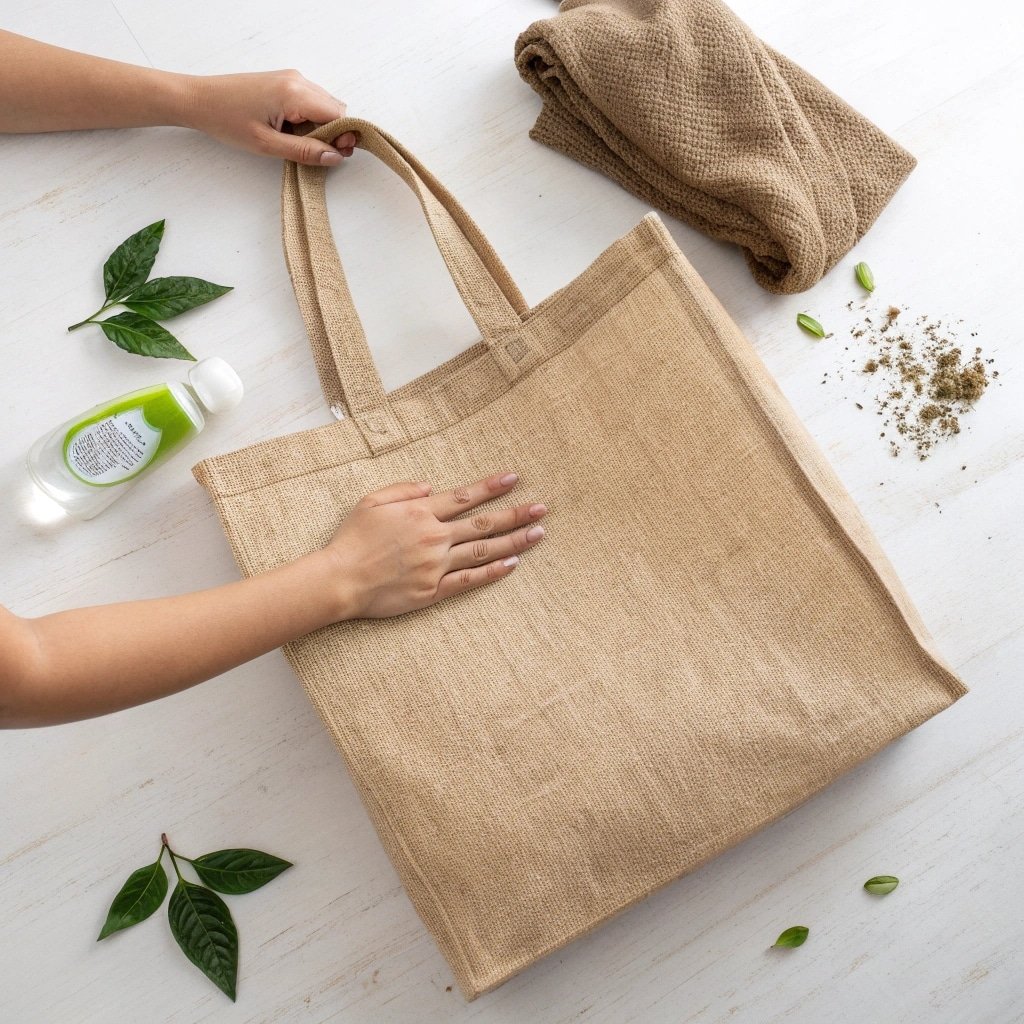
To clean a jute tote bag, gently wipe it with a damp cloth to remove dirt and stains. Avoid soaking it in water, as this can weaken the fibers.
To clean a jute tote bag, use a damp cloth and gently scrub away dirt or stains. Never soak the bag.
Want to know how to keep your jute bag looking fresh? Here’s a guide to maintaining it.
Dive-Deeper: Cleaning Your Jute Tote Bag
Cleaning your jute bag regularly helps preserve its appearance. If the bag gets heavily stained, use a gentle soap solution and a soft cloth. For regular maintenance, simply dust or wipe the surface to keep it looking neat.
Are PP Bags Better Than Jute Bags?
Polypropylene (PP) bags are durable and lightweight but are not biodegradable, unlike jute bags. While PP bags can be cheaper, jute bags offer more sustainable benefits.
PP bags are cheaper and more durable, but jute bags are the better option for eco-conscious consumers due to their biodegradability.
Want to learn about the pros and cons of each? Let’s take a closer look.

Dive-Deeper: Comparing PP and Jute Bags
PP bags are made from synthetic materials, making them durable and cost-effective. However, they do not break down naturally in the environment. Jute bags, on the other hand, offer an eco-friendly alternative that is biodegradable, though they are generally less durable than PP bags.
Is Jute Bag Smooth or Rough?
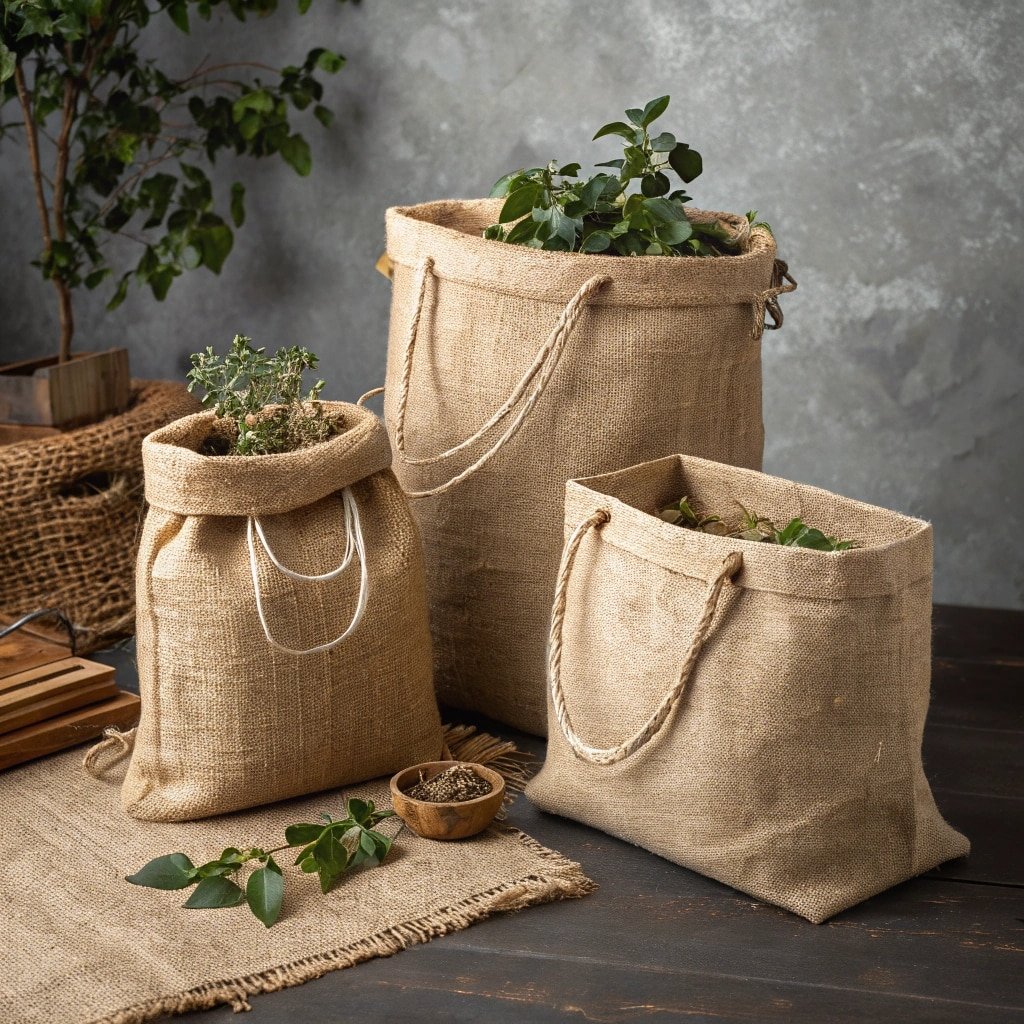
Jute bags have a rough, natural texture. The fibers are coarse, giving the bag a rustic appearance.
Jute bags have a rough texture, which is one of the features that gives them a natural, rustic look.
Wondering how this texture impacts the bag’s use? Let’s explore.
Dive-Deeper: The Texture of Jute
The rough texture of jute is one of its most distinguishing features. This texture adds to its charm but may feel less smooth compared to other fabrics like cotton or canvas. However, this natural roughness contributes to the durability and eco-friendliness of the material.
Are Jute Bags Washable?
Jute bags are not machine washable, but they can be cleaned by hand. Avoid soaking them, as too much moisture can damage the fibers.
Jute bags are not machine washable but can be cleaned by hand using mild soap and water.
Want to learn the best way to clean your jute bag? Keep reading!

Dive-Deeper: Caring for Jute Bags
Jute bags should be cleaned by hand to preserve their texture and durability. Use a damp cloth to wipe off dirt and stains, and avoid excessive moisture. Gently dry the bag to maintain its shape and strength.
Is Gunny Bag and Jute Bag the Same?
Yes, gunny bags and jute bags are essentially the same. Gunny is another name for bags made from jute.
Gunny bags and jute bags are the same—both are made from the jute fiber.
Wondering about the history behind the name "gunny"? Let’s dive into it.
Dive-Deeper: The History of Gunny Bags
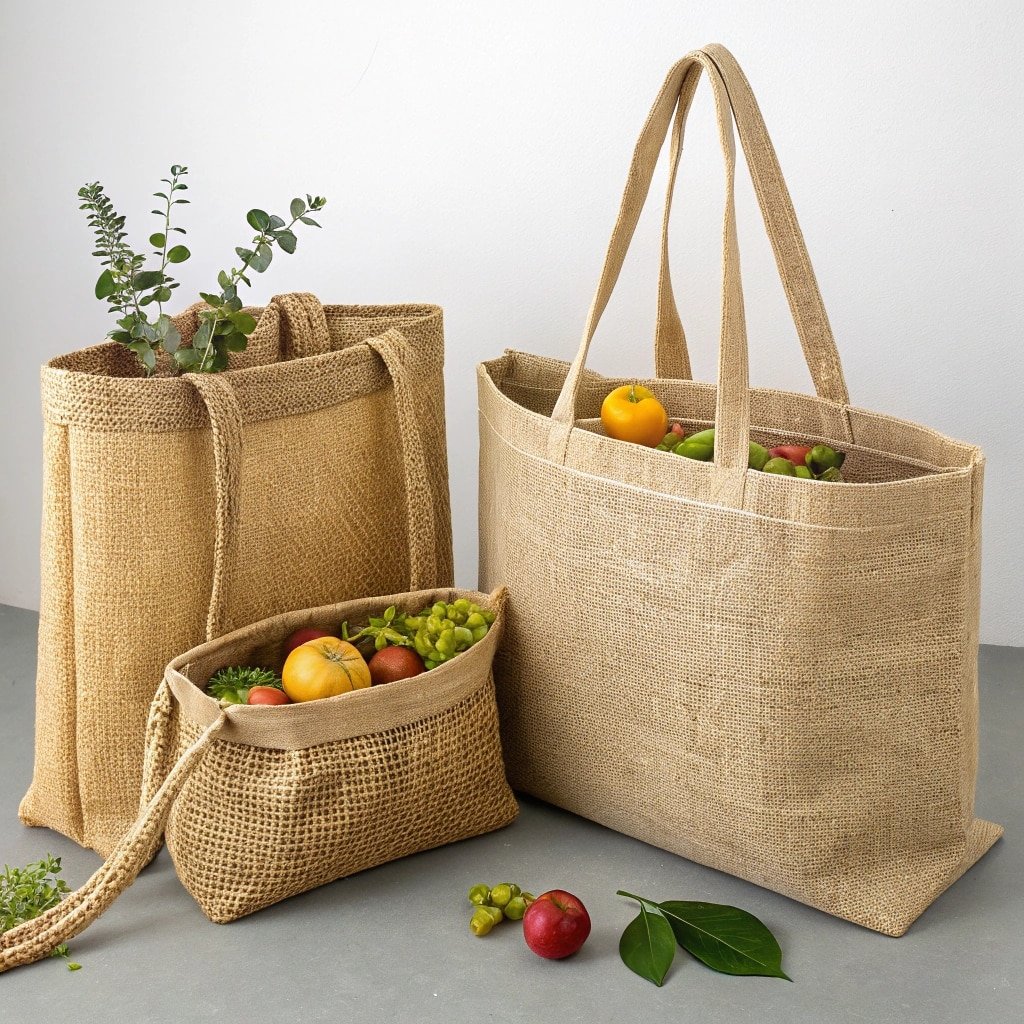
Gunny bags got their name from the term "gunny," which originally referred to coarse, woven fabric made from jute. These bags were historically used for carrying grains and other bulk goods. Over time, gunny bags became synonymous with jute bags, especially in agricultural communities.
Conclusion
Custom jute tote bags are the perfect eco-friendly solution for those seeking a durable, natural alternative to plastic. Whether you’re looking for a way to promote your brand or simply need a stylish and sustainable bag, jute offers unmatched versatility.

0 Comments