




Jute bags have gained immense popularity in recent years as an eco-friendly and stylish alternative to plastic bags. But what makes them stand out in a world full of bag options?
Jute bags1 are popular due to their biodegradability, durability, and versatility, making them a sustainable choice for both consumers and businesses.
Let’s dive into why jute bags are in demand, their advantages over plastic, and their role in sustainable living.
Why Is Jute Good for Bags?
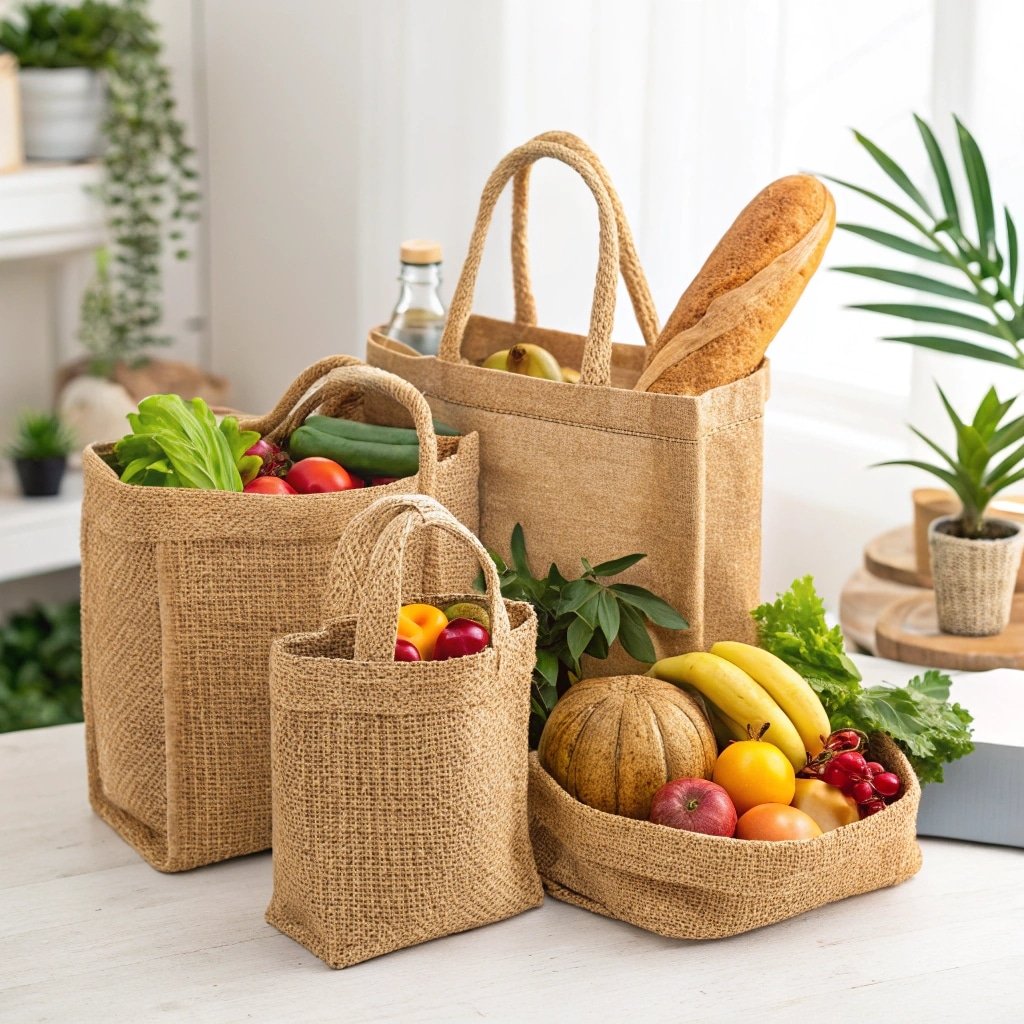
Jute is often referred to as the “golden fiber” due to its natural golden hue and remarkable properties. But why is it ideal for making bags?
Jute is good for bags2 because it is strong, breathable, and biodegradable, making it an environmentally friendly and durable material for various uses.
Dive Deeper: Features That Make Jute Ideal
-
Strength and Durability
- Jute fibers are highly tensile, allowing the bags to carry heavy loads without tearing.
-
Eco-Friendly Nature
- Jute is a renewable resource and biodegradable, breaking down naturally without harming the environment.
-
Breathability
- Jute bags allow air to circulate, making them suitable for carrying groceries and other perishable items.
| Feature | Benefits |
|---|---|
| Durability | Can carry heavy items. |
| Eco-Friendliness | Reduces plastic waste. |
| Breathability | Ideal for fresh produce. |
Jute’s natural properties make it one of the best materials for sustainable bag production.
Why Is Jute Popular?
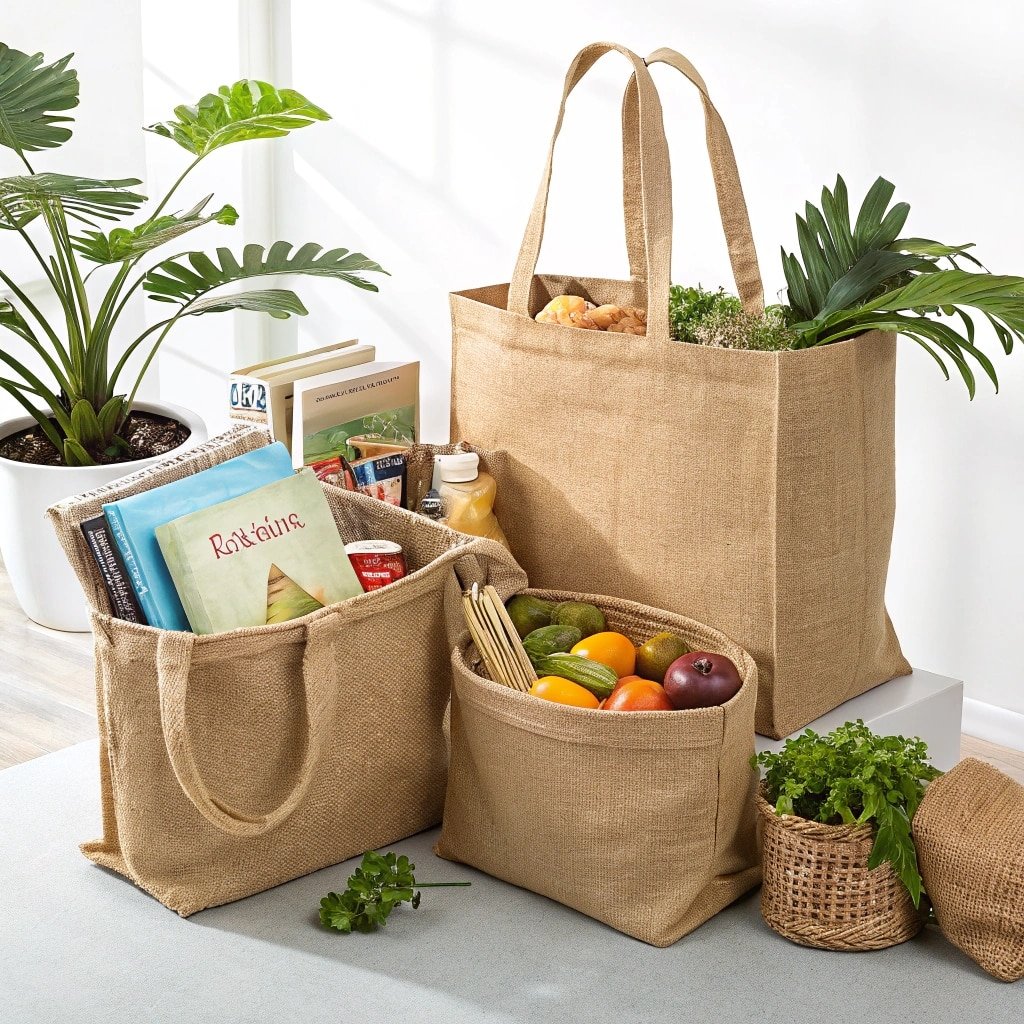
Jute’s popularity3 has grown significantly, especially as the world shifts toward environmentally conscious choices. What makes jute stand out?
Jute is popular because it is affordable, eco-friendly, and versatile, aligning perfectly with global sustainability trends.
Dive Deeper: Factors Behind Jute’s Popularity
-
Sustainability Appeal
- Jute is biodegradable and recyclable, making it a preferred choice for eco-conscious consumers.
-
Affordable Production
- Jute is grown in abundance in countries like India and Bangladesh, making it cost-effective to produce.
-
Aesthetic and Versatility
- Jute bags are stylish, customizable, and available in various designs, appealing to a wide audience.
| Reason for Popularity | Impact |
|---|---|
| Eco-Friendly Image | Reduces reliance on plastics. |
| Cost-Effectiveness | Affordable for mass production. |
| Style and Customization | Attractive for branding and fashion. |
Jute’s combination of practicality and sustainability makes it a top choice for bags worldwide.
Why Should We Use Jute Bags Instead of Plastic Bags?
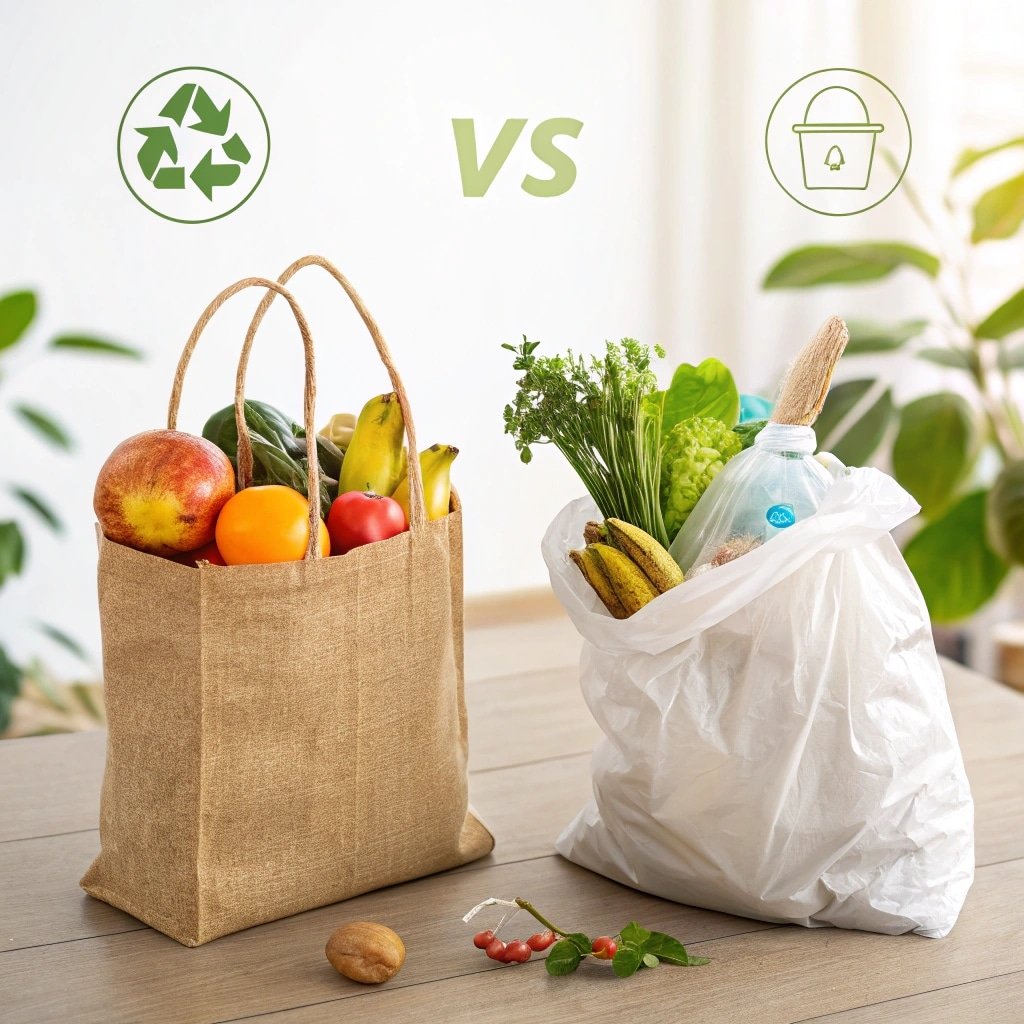
Using jute bags4 instead of plastic bags has become a crucial step in addressing environmental concerns. But why make the switch?
We should use jute bags instead of plastic bags because they are reusable, biodegradable, and reduce pollution, offering a sustainable solution for everyday needs.
Dive Deeper: Advantages of Jute Bags Over Plastic Bags
-
Environmental Benefits
- Jute bags decompose naturally, unlike plastic bags that take hundreds of years to break down.
-
Reusability
- Jute bags can be reused multiple times, reducing waste generation.
-
Stronger and Safer
- Jute bags are sturdier than plastic bags and do not pose risks to wildlife.
| Feature | Jute Bags | Plastic Bags |
|---|---|---|
| Biodegradability | Fully biodegradable | Non-biodegradable |
| Reusability | High | Low |
| Environmental Impact | Positive | Negative |
Switching to jute bags is a simple yet impactful step toward reducing plastic waste.
Are Jute Bags in Trend?
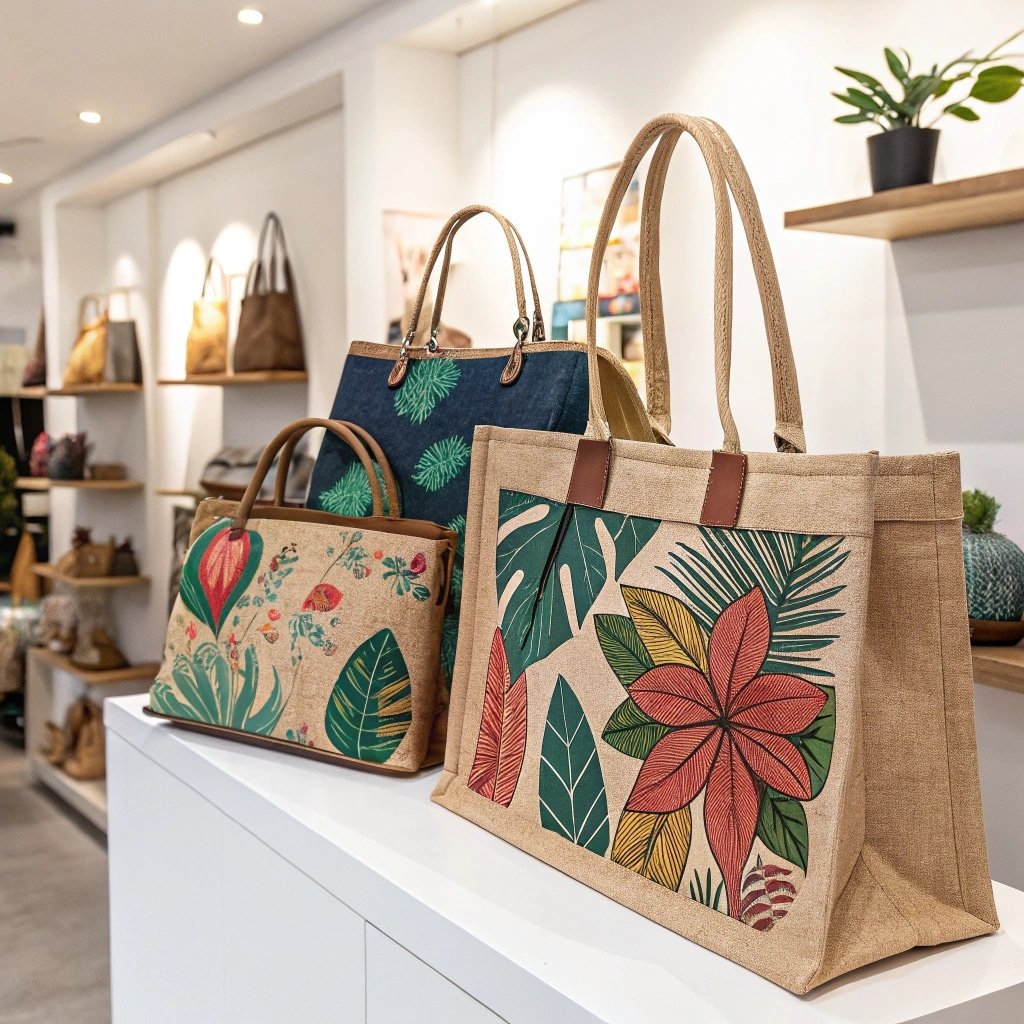
Jute bags5 have moved beyond utility and entered the world of fashion and branding. Are they still in trend?
Yes, jute bags are in trend, with growing demand driven by eco-conscious consumers and their stylish, customizable designs.
Dive Deeper: Why Jute Bags Are Trending
-
Sustainability Movement
- The global push toward reducing plastic usage has put jute bags in the spotlight.
-
Fashion Appeal
- Jute bags are now designed with trendy prints, colors, and patterns, making them stylish accessories.
-
Branding Opportunities
- Businesses use jute bags for advertising, as they are eco-friendly and have a premium look.
| Trend Factor | Description |
|---|---|
| Eco-Consciousness | Appeals to green-minded consumers. |
| Stylish Designs | Matches modern aesthetics. |
| Corporate Branding | Widely used for promotions. |
Jute bags have successfully combined functionality, sustainability, and style, keeping them in demand.
What Are the Disadvantages of Jute Bags?
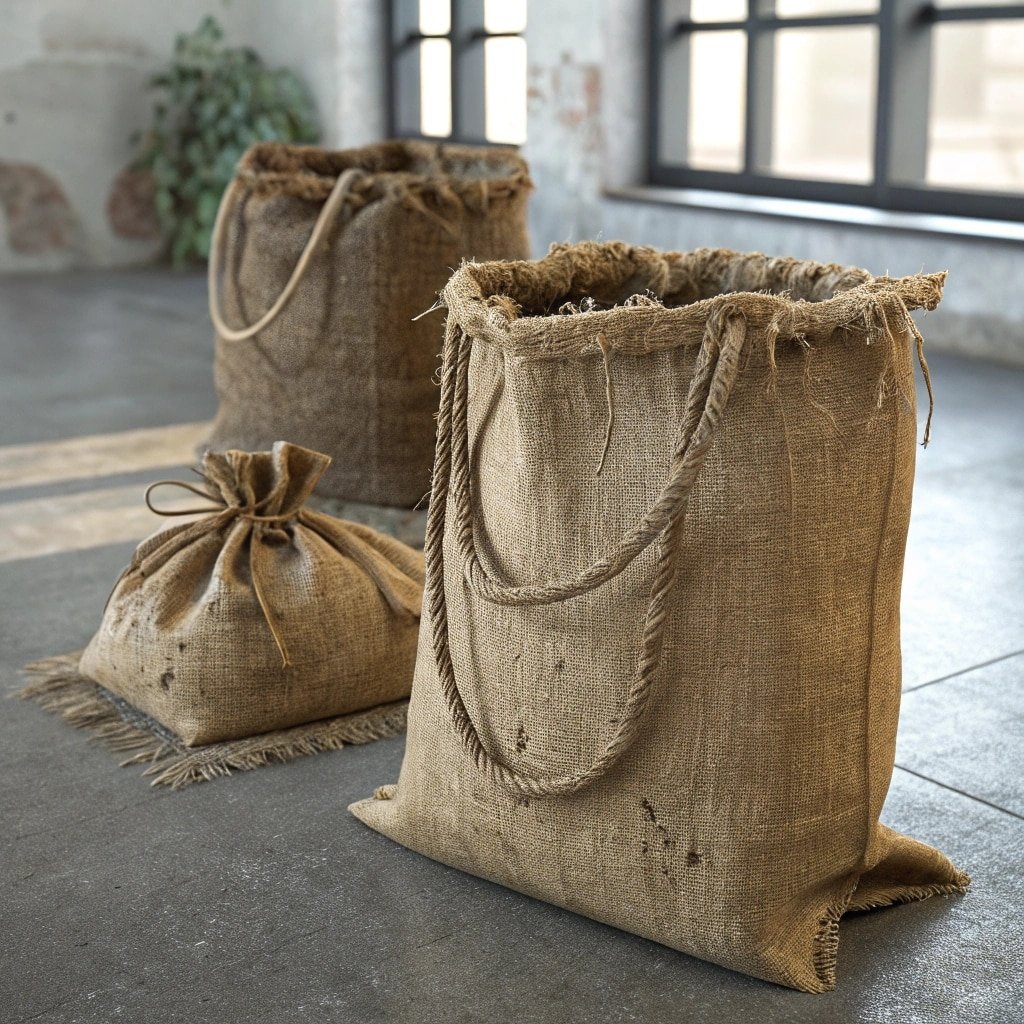
While jute bags have numerous benefits, they are not without limitations. What are their drawbacks?
The disadvantages of jute bags include their susceptibility to moisture, limited lifespan compared to synthetic materials, and less flexibility in design.
Dive Deeper: Challenges of Using Jute Bags
-
Moisture Sensitivity
- Jute absorbs water easily, which can weaken the fibers and affect durability.
-
Limited Longevity
- Though reusable, jute bags wear out faster than some synthetic alternatives.
-
Design Constraints
- Jute’s coarse texture can limit intricate printing and designs.
| Disadvantage | Impact |
|---|---|
| Water Absorption | Reduces durability in wet conditions. |
| Wear and Tear | Shorter lifespan with heavy use. |
| Design Flexibility | Limited intricate customization. |
Despite these challenges, jute bags remain a strong choice for sustainability and practicality.
Conclusion
Jute bags have gained popularity for their eco-friendliness, durability, and aesthetic appeal, making them a practical and stylish alternative to plastic bags. While they have some limitations, such as moisture sensitivity, their sustainability and versatility outweigh these drawbacks. By choosing jute bags, you contribute to a greener planet while enjoying a functional and fashionable accessory.
-
Learn why jute bags are considered a top eco-friendly choice. ↩
-
Discover the unique properties that make jute ideal for sustainable bags. ↩
-
Understand the factors driving the global demand for jute products. ↩
-
Explore the environmental benefits of using jute over plastic. ↩
-
Find out why jute bags are trendy and appealing to modern consumers. ↩




0 Comments