



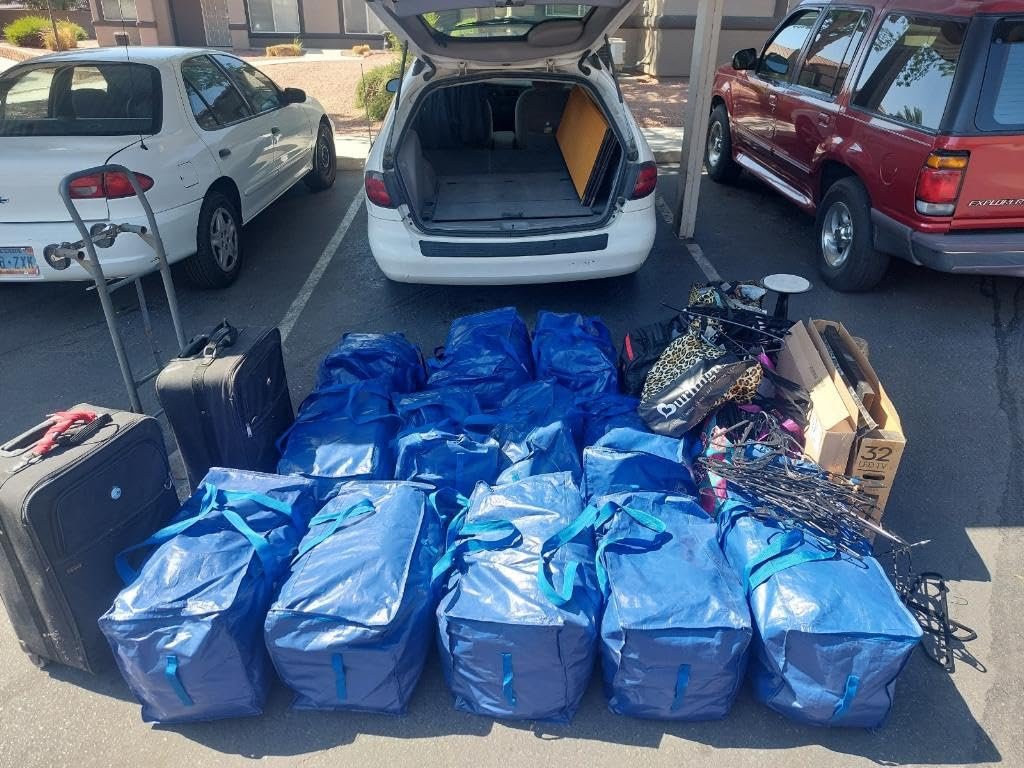
College move-in day is both an exciting and stressful time. There’s the thrill of starting a new chapter in life, but then there’s the overwhelming task of figuring out how to bring all your belongings into a small dorm room. Packing for college is an art in itself—it’s all about balancing what you need with the limited space available. The right bags can make all the difference in this process. That’s where eco-friendly moving bags1 come in: designed specifically to help students efficiently pack, organize, and move in.
Instead of stressing about how to carry everything from clothes to electronics, using the right bags will simplify the process by offering a versatile, practical solution. With durable materials, ample space, and easy-to-carry handles, these bags help you organize and reduce the chaos that often comes with moving into a new space.
In this guide, we’ll dive deeply into the specifics of how many bags2 you need for college move-in, the types of bags you should use, and why moving bags are an excellent choice for college students.
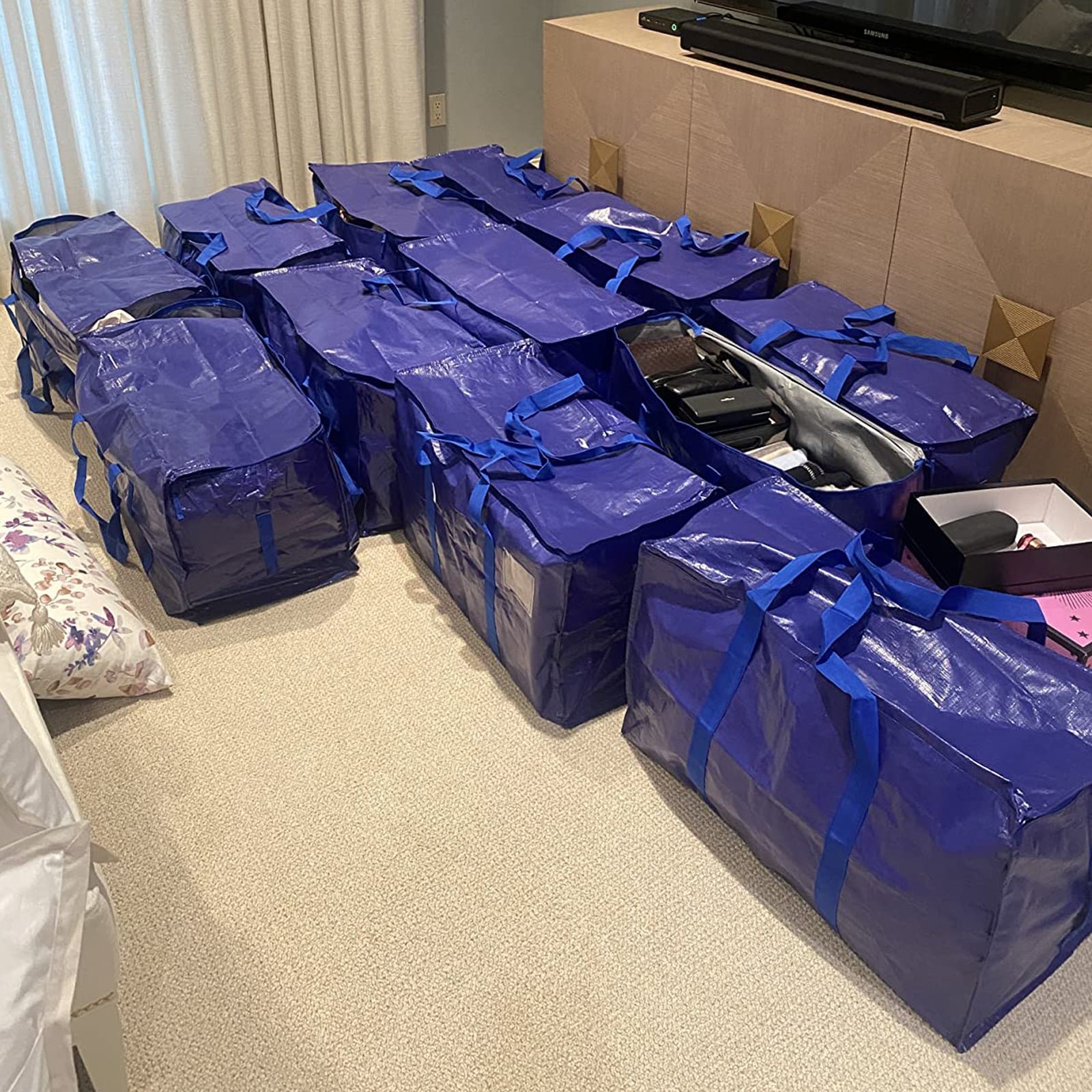
Using the right bags ensures your move is organized, your items stay safe, and you save time, energy, and stress. So let’s dive in and explore how to make your college move-in as smooth and efficient as possible.
How many bags do you need to move into college?
Packing for college can feel like packing for an extended vacation, but with more items and fewer bags to carry them. The amount of stuff you need to bring will depend on your personal needs, the size of your dorm room, and whether you plan to store things away for the long term. On average, students find that 3-5 large bags3 are sufficient to move everything from clothing to electronics, books, and personal items. Here’s how to decide how many bags you’ll need for each category:
1. Large Moving Bags for Clothes and Bedding
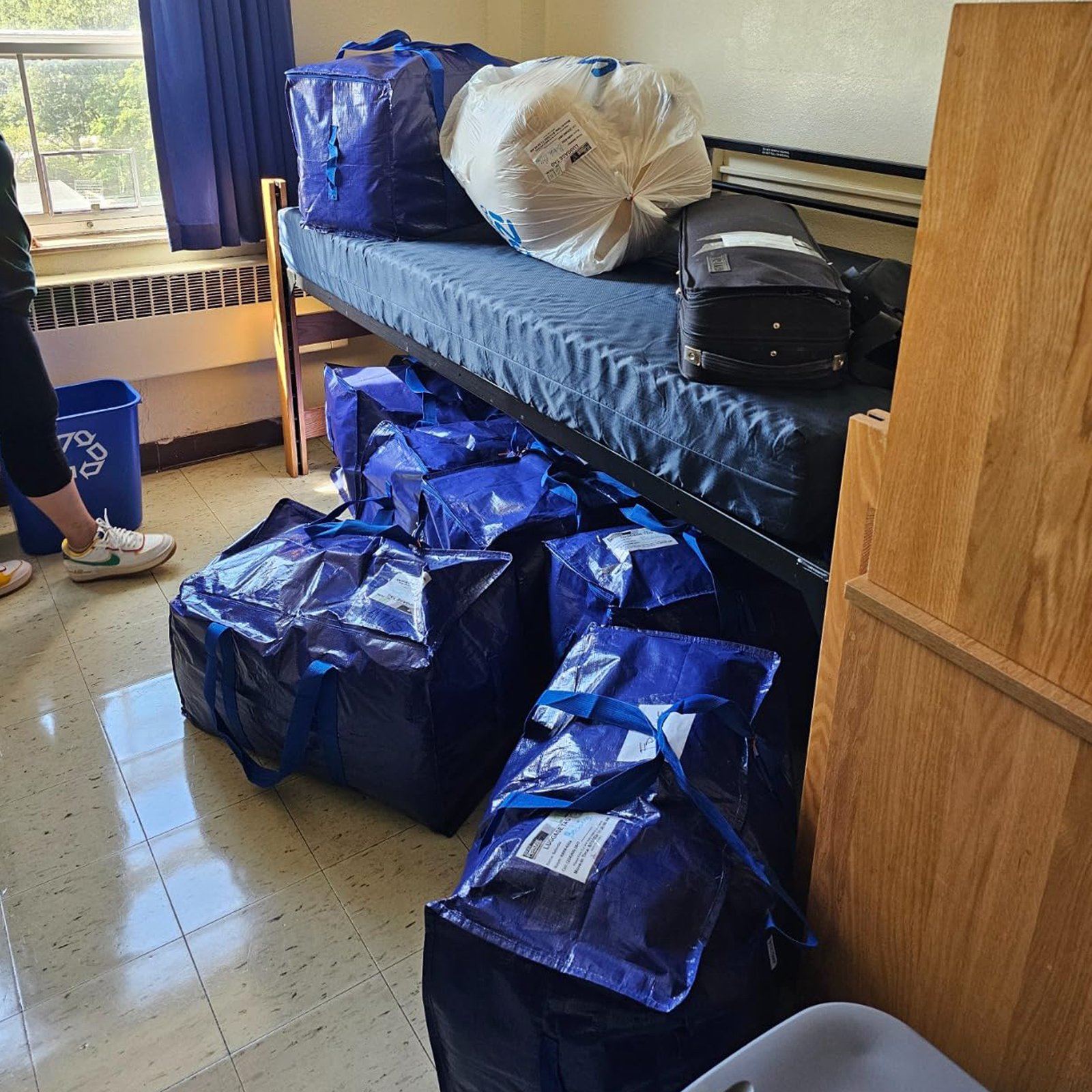
Clothes and bedding are typically the bulk of what you’ll be bringing to college. Instead of cramming everything into several small boxes or duffels, large moving bags1 are an efficient solution. With ample space to hold a variety of clothing items, linens, shoes, and even blankets, these bags are spacious yet easy to carry.
Durable, eco-friendly moving bags1 can handle heavy clothing, bedding, and shoes. These bags are much easier to carry than bulky boxes, and they can be stacked or stored under a bed once you arrive at your dorm. Their large capacity allows you to group your clothing and bedding together in one organized space, making it easier to find what you need when you unpack.
2. Totes for Electronics and Fragile Items
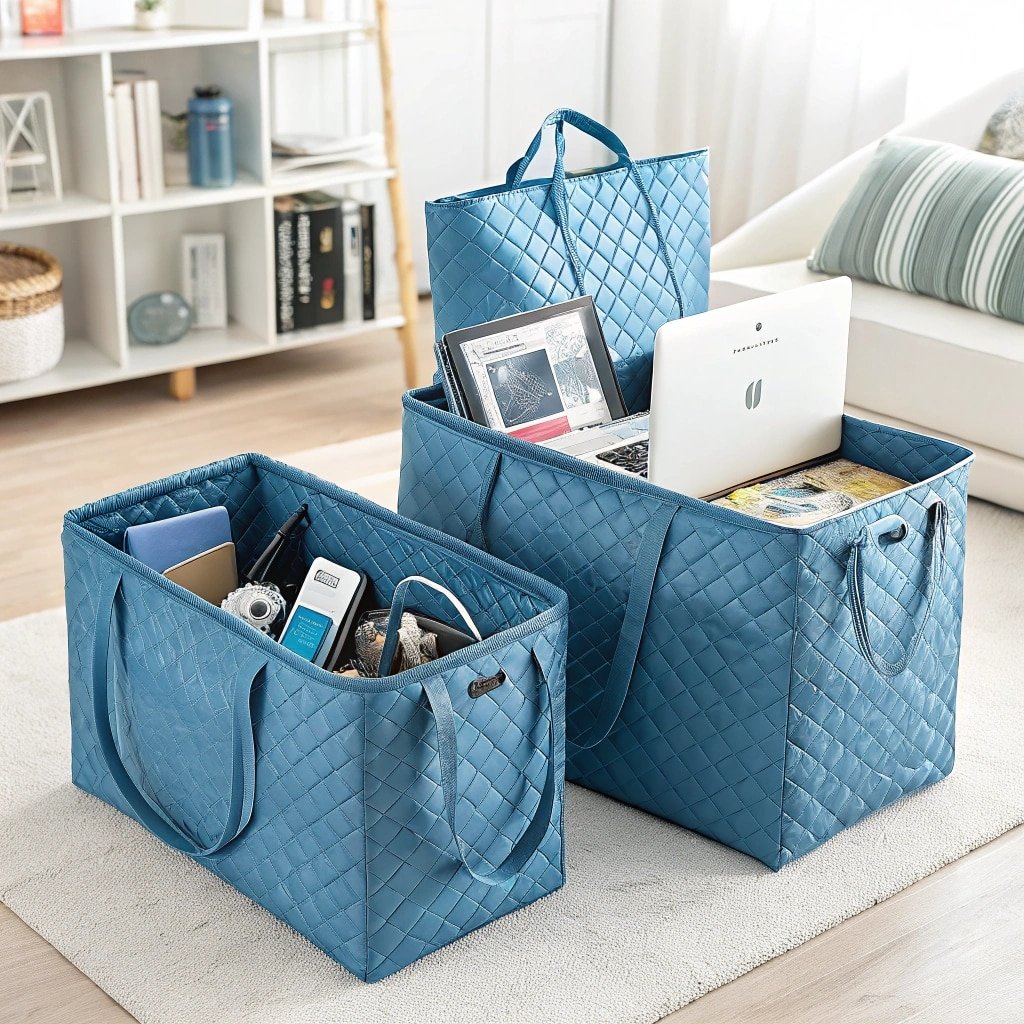
When it comes to your electronics, chargers, books, and any fragile items, you’ll want to use a more protective and structured bag. Totes4 are ideal for this purpose, as they offer a balance between flexibility and protection. A tote with compartments or a padded interior can help protect fragile items like your laptop, smartphone, or books during transport.
Totes are perfect for organizing these smaller yet essential items. Having a separate bag for electronics helps keep them safe and accessible, especially when you need to set up your dorm and quickly find what you need.
3. Storage Bags for Seasonal and Less-Frequent Items
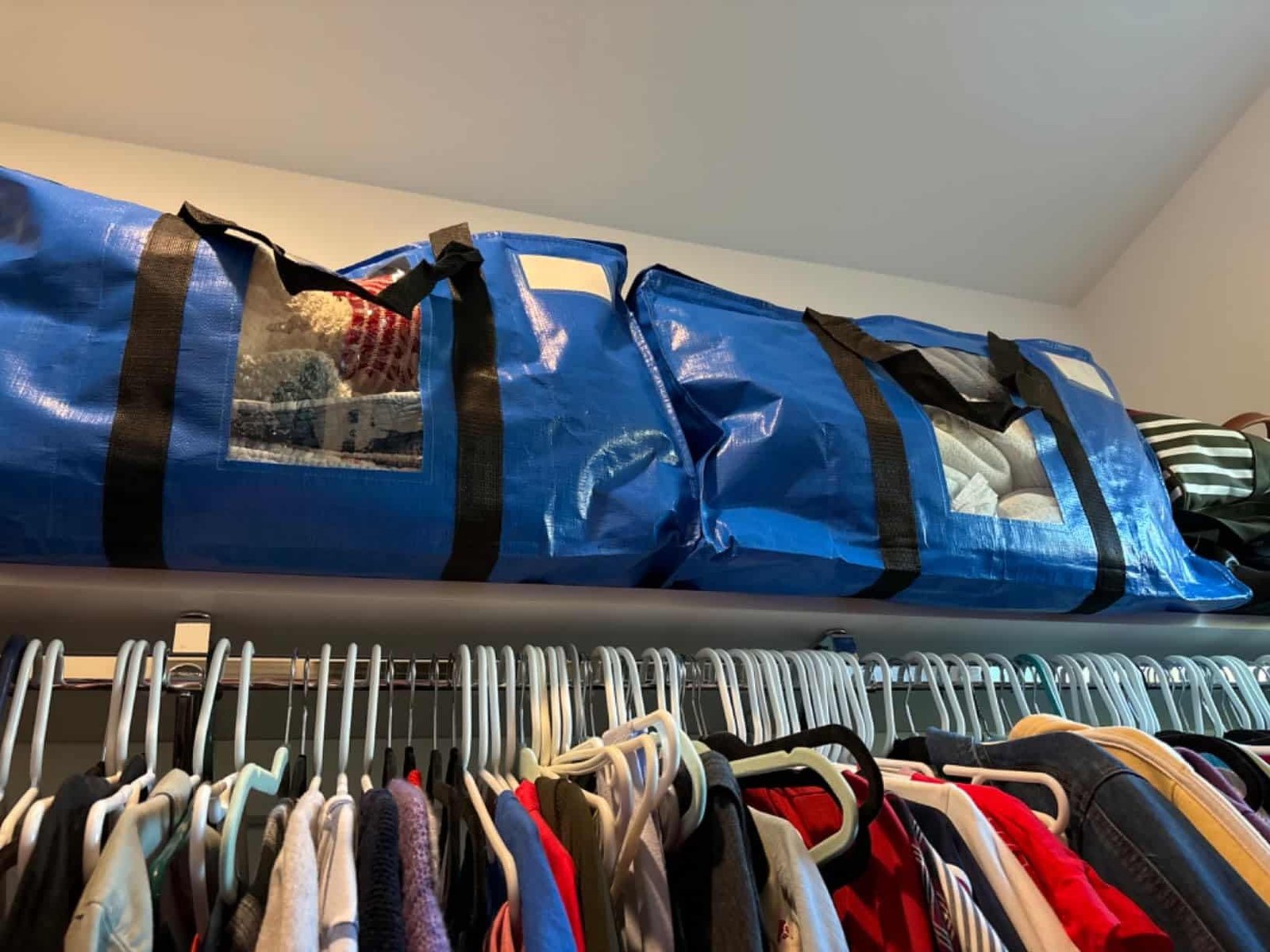
You won’t need all of your belongings at once, especially when it comes to items like winter coats or extra pillows. Storage bags5, particularly those that are vacuum-sealable, help you compress bulky items into manageable sizes. By using storage bags for seasonal clothing, extra bedding, and holiday decorations, you can free up valuable space in your dorm room.
These storage bags not only save space but also provide protection from dust, moisture, and pests. Compressing clothing or blankets into storage bags means they can be stored easily in a closet or under the bed without taking up too much room.
4. Extra Bags for Miscellaneous Items
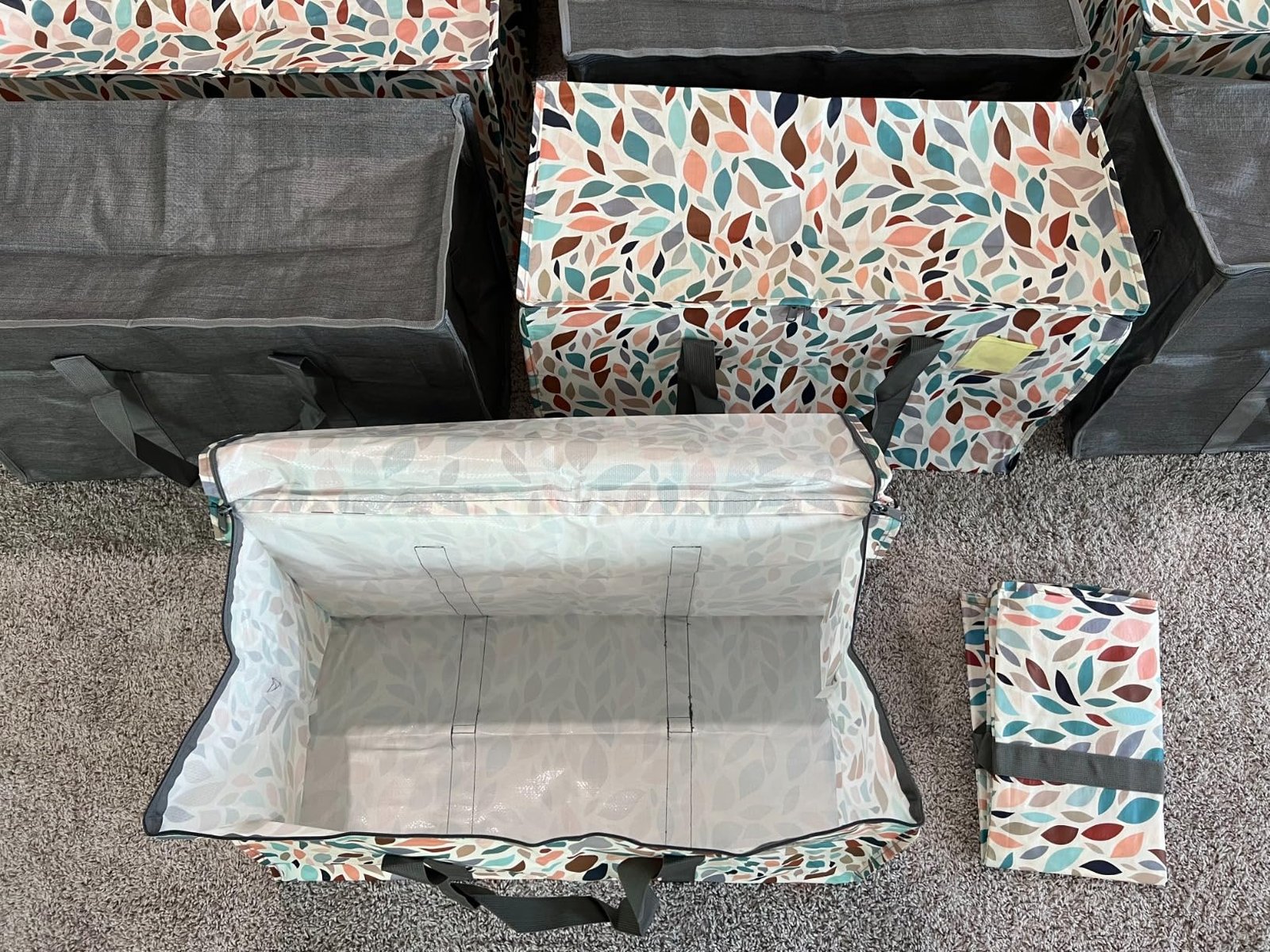
No matter how much you try to prepare, there will always be miscellaneous items—like toiletries, stationery, or laundry—that don’t fit neatly into any category. Having a few extra moving bags1 on hand for these items is always a good idea. Small bags are perfect for toiletries or cosmetics, while medium-sized bags work well for books, notebooks, and desk supplies.
It’s always helpful to bring more bags than you think you’ll need. You can never have too many when it comes to moving into a small space like a dorm room. Having a few extra bags ensures everything has a designated place for easy access.
When should I start packing for college move-in?
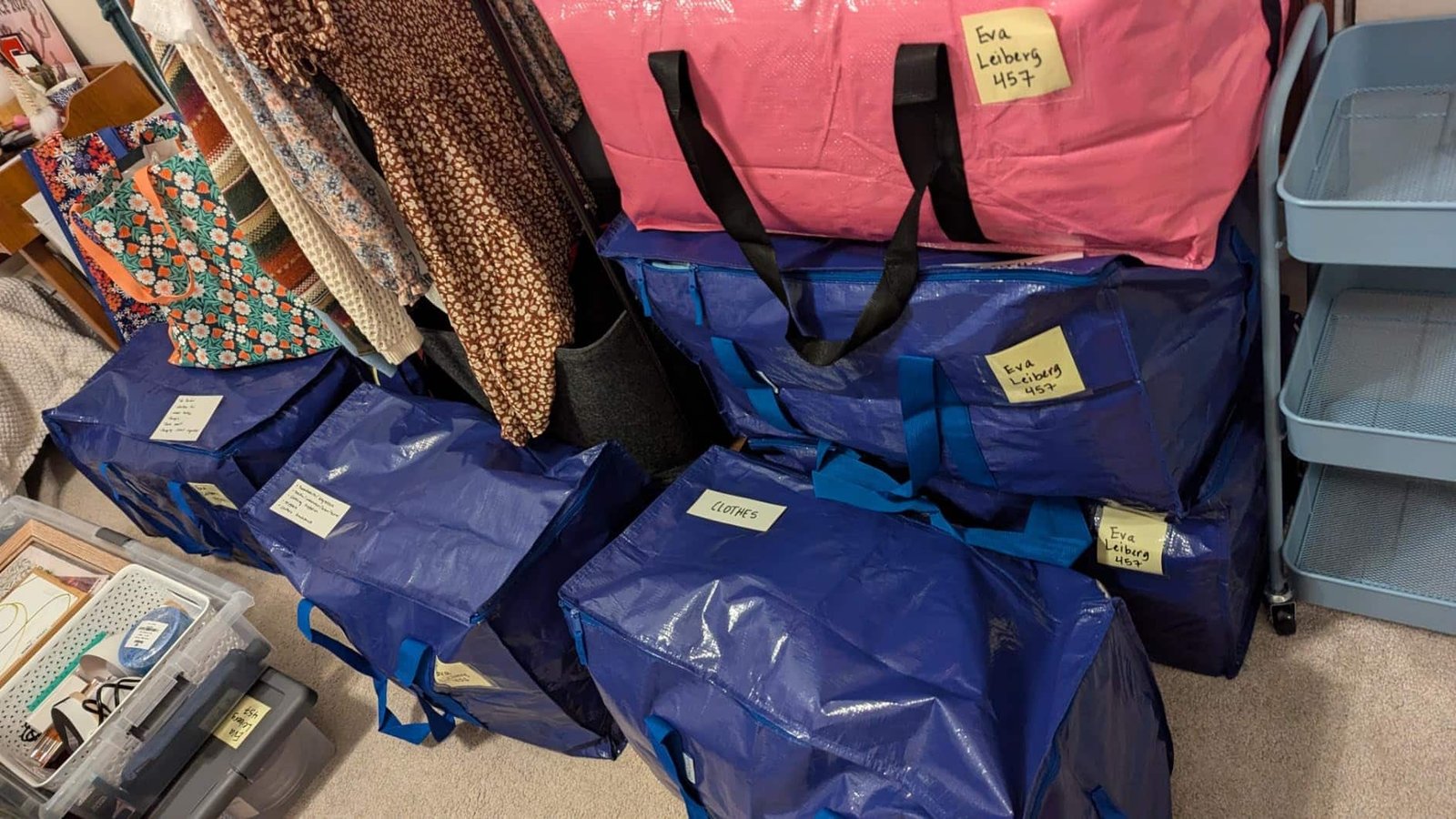
Packing for college shouldn’t be a last-minute scramble. To ensure a smooth move-in, it’s best to start preparing well in advance. Here’s a timeline for packing:
6-8 Weeks Before Move-In
Start by making a list of everything you’ll need to bring. Begin gathering essentials like bedding, kitchen items, and any decor you want to take with you. This is the perfect time to get a head start on purchasing your moving bags1, so you have everything organized well before the moving day:contentReference[oaicite:4].
3-4 Weeks Before Move-In
At this point, start packing non-essentials that you won’t need until after you arrive at your dorm, such as extra clothing, home goods, and decor. Use your moving bags1 for clothing and bedding, ensuring you leave room for the items you’ll need daily:contentReference[oaicite:5].
1 Week Before Move-In
In the final week, it’s time to pack everything you’ll need right away, such as toiletries, electronics, and clothes for the first few days at college. Smaller moving bags1 are perfect for these items, as they offer quick access once you arrive at your dorm:contentReference[oaicite:6].
What bags do people bring to college?
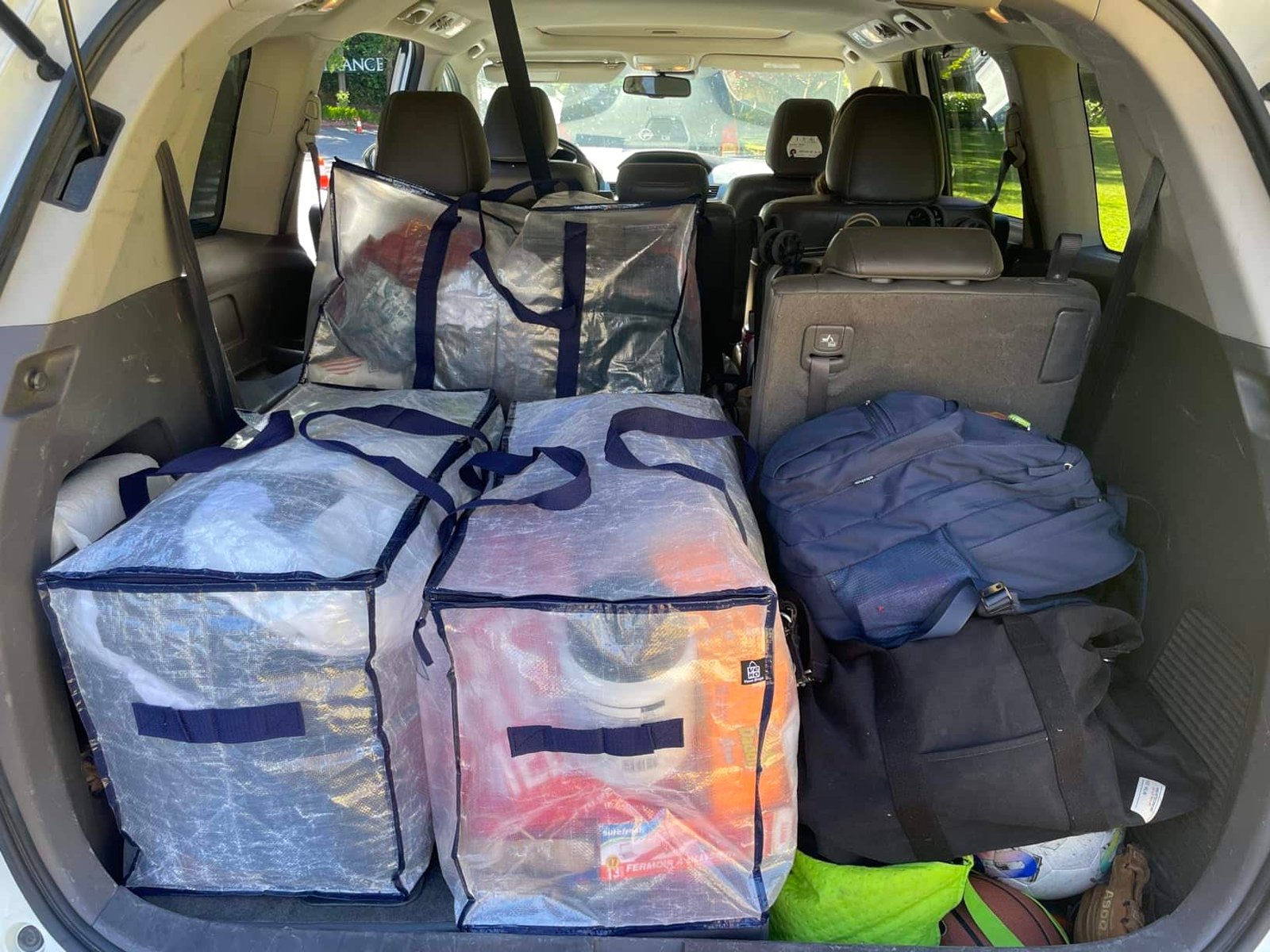
When moving into a dorm, students typically bring a mix of moving bags1, totes, duffels, and backpacks. Let’s break down the different types of bags people commonly use:
1. Large Moving Bags for Clothes and Bedding
Large, flexible bags are essential for packing the bulk of your clothing, shoes, and bedding. These bags are an excellent choice because they are spacious, durable, and easy to carry:contentReference[oaicite:7].
2. Totes for Electronics and Fragile Items
Totes are the go-to bags for carrying small electronics, chargers, and books. These bags typically have built-in compartments, which makes it easier to keep everything organized. A tote can also protect your items during the move, thanks to its sturdy, padded structure:contentReference[oaicite:8].
3. Duffel Bags for Gym Clothes and Sports Equipment
If you’re active and plan to use the gym, a duffel bag6 is an essential item. It offers plenty of space for athletic gear, shoes, and sports equipment. Duffels are also a convenient option for carrying things you need throughout the day, such as workout clothes or laundry:contentReference[oaicite:9].
4. Backpacks for Daily Essentials
The backpack is the most common bag for everyday use at college. It’s perfect for carrying books, laptops, and notebooks between classes. A sturdy, well-organized backpack will be your go-to companion during your college years:contentReference[oaicite:10].
How many boxes is normal for college move-in?
The number of boxes you need will depend on the size of your move, but typically, students bring 5-10 boxes7. Most people use small boxes for books and fragile items, medium boxes for clothing and other essentials, and large boxes for bedding, kitchen items, or bulky goods.
While boxes are still a good option for fragile items, moving bags1 can replace many of them, especially for clothing, bedding, and other soft goods. These bags not only take up less space but are easier to handle and store in small dorm rooms.
Conclusion
Packing for college doesn’t have to be a stressful task. By choosing the right moving bags1 and using them strategically, you can streamline your move and avoid the chaos of misplaced or damaged items.
Start by thinking about the specific needs of your move and organizing your belongings accordingly. Large bags for clothes and bedding, totes for electronics and fragile items, and storage bags for seasonal items will help ensure everything fits in your dorm room without compromising on space. Additionally, packing ahead of time and being strategic about the bags you use will make your college move-in day a lot less stressful.
By following these tips, your move-in day can be organized, efficient, and a lot more manageable!
-
Learn why moving bags are a perfect choice for packing and organizing college belongings. ↩ ↩ ↩ ↩ ↩ ↩ ↩ ↩ ↩ ↩
-
Understand how to determine the number of bags you’ll need for your move. ↩
-
Find out why large bags are essential for clothing and bedding. ↩
-
Discover why totes are ideal for protecting fragile electronics and books. ↩
-
Get insights on how storage bags help save space and protect seasonal items. ↩
-
Learn how duffel bags can be a must-have for athletes and gym-goers. ↩
-
Understand how many boxes are typically needed for a college move-in. ↩



0 Comments