



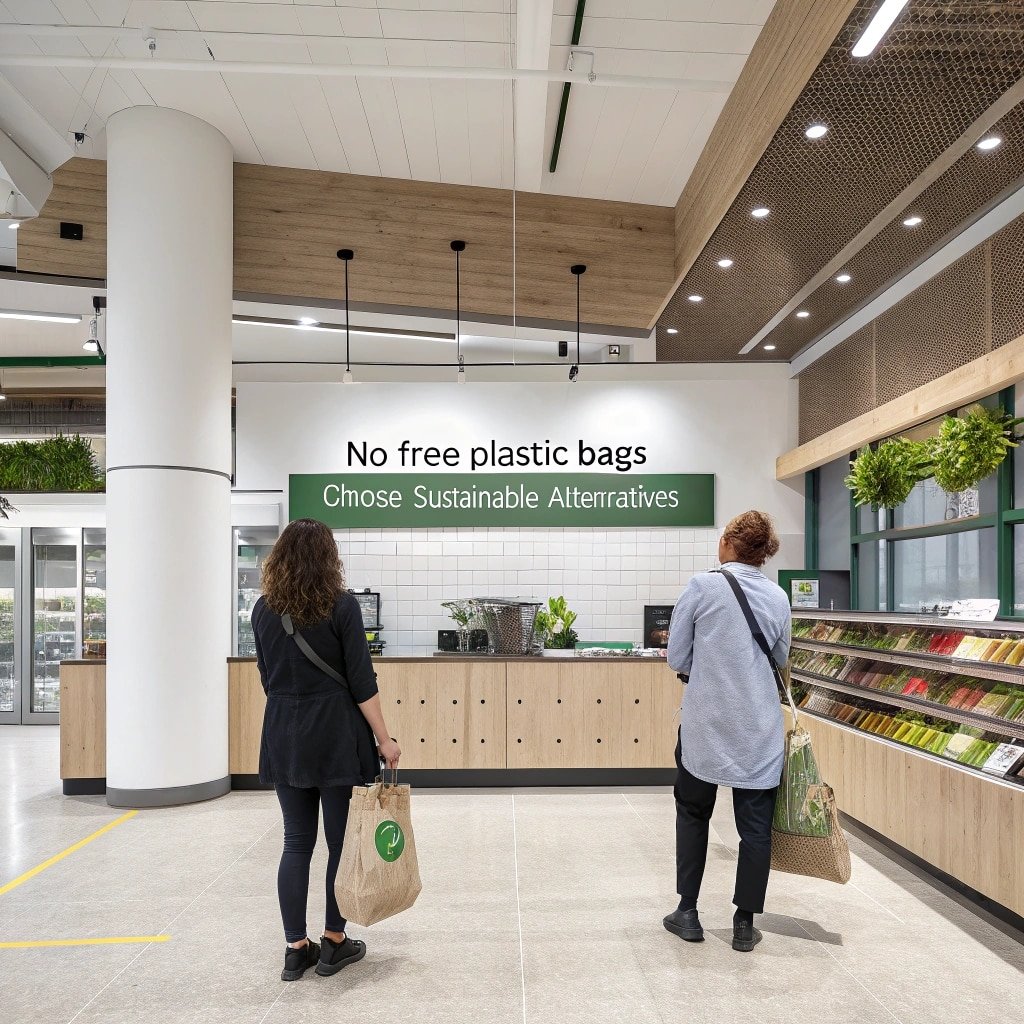
Plastic bags have become an environmental burden and a financial inefficiency for retailers. By eliminating free distribution, supermarkets are addressing these issues while encouraging sustainable alternatives.
Supermarkets have stopped giving away shopping bags to combat environmental degradation1, reduce waste, and promote eco-conscious consumer habits2.
This change reflects broader trends in corporate social responsibility3. But what are the driving factors behind this shift, and what does it mean for consumers and the planet? Let’s delve deeper.
Why should supermarkets stop giving plastic bags?
Plastic bags are one of the largest contributors to pollution globally. Their lightweight nature makes them prone to being littered, clogging waterways, and harming ecosystems.
Supermarkets must stop offering plastic bags to reduce pollution, protect wildlife, and encourage sustainable shopping behaviors4.
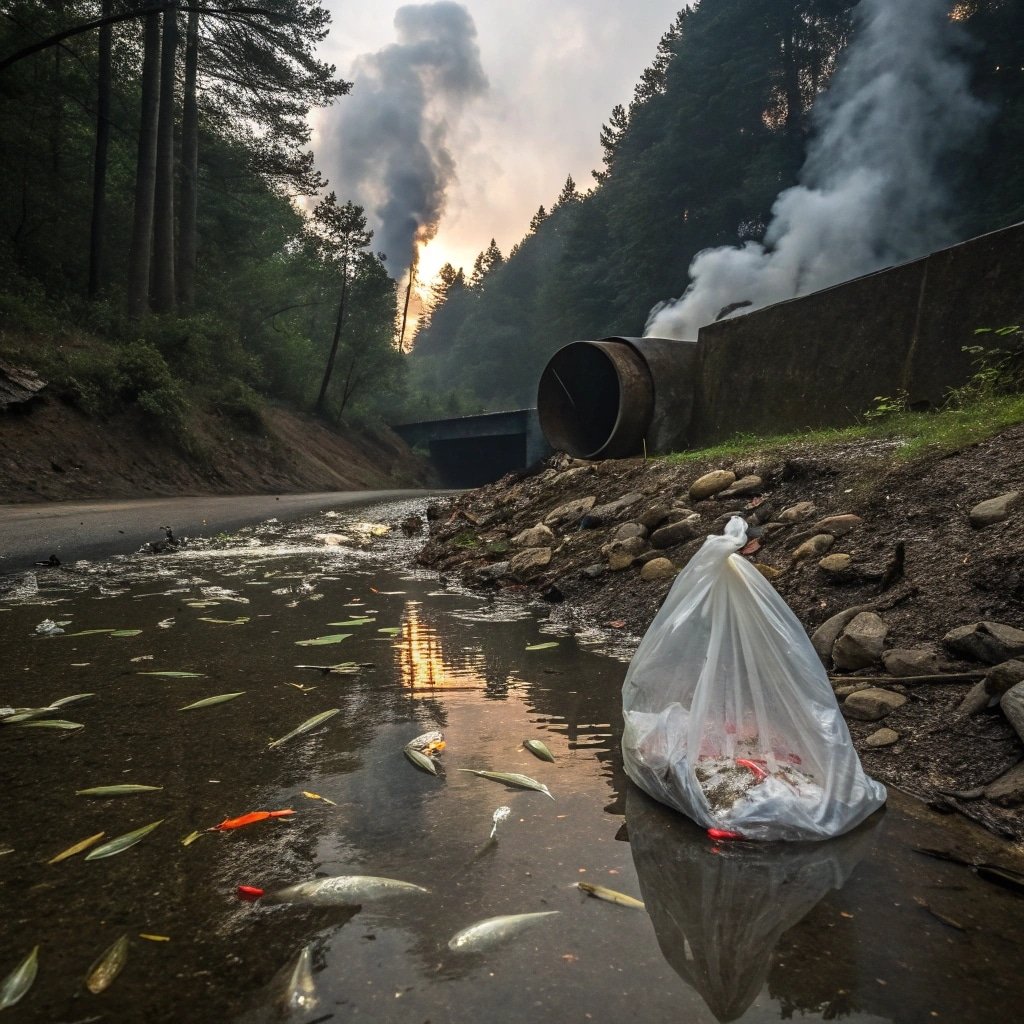
The Environmental Toll of Plastic Bags
The production and disposal of plastic bags create severe environmental challenges:
- Non-biodegradability: Plastic bags take hundreds of years to decompose. They persist in the environment, causing long-term damage.
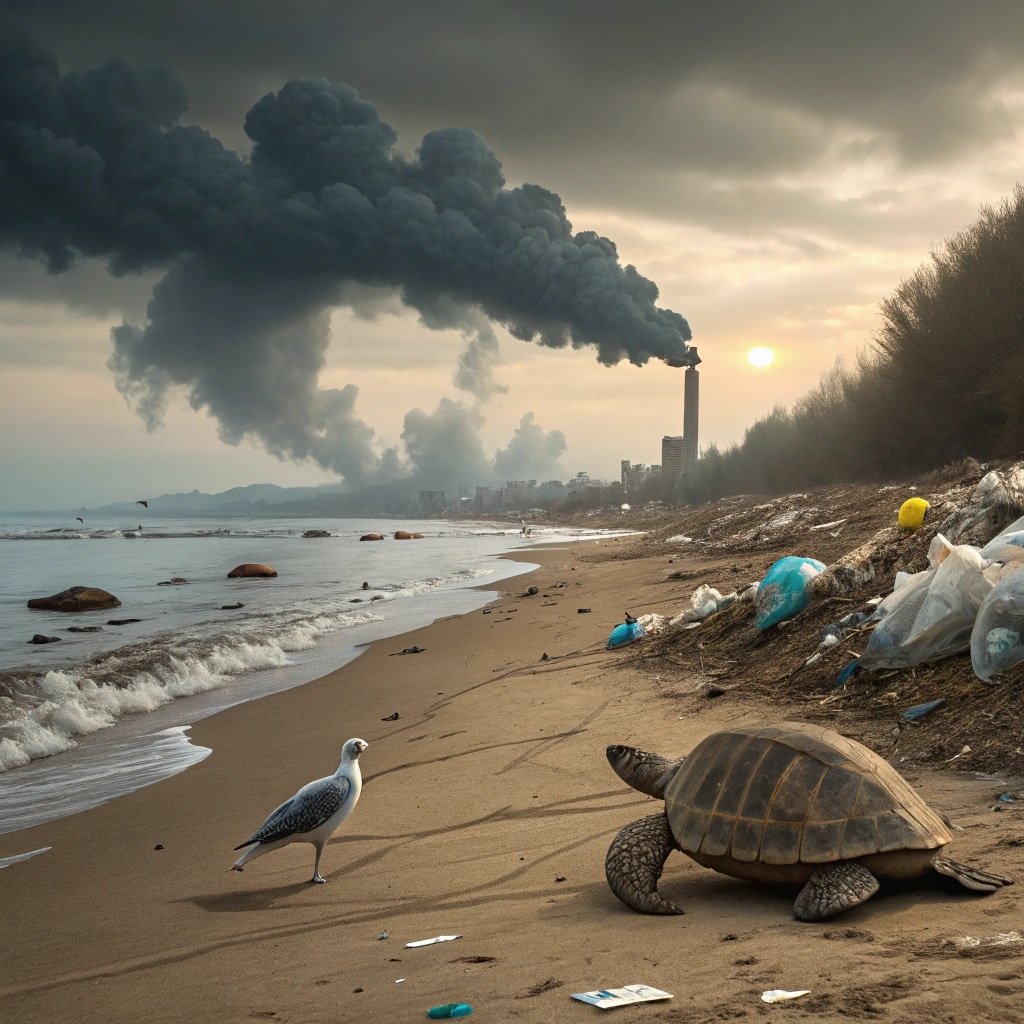
- Marine Pollution: Millions of plastic bags end up in oceans, forming massive garbage patches and endangering marine life. Sea turtles and birds often mistake them for food.
- Carbon Footprint: Producing plastic bags requires fossil fuels, which contribute to global warming.
| Environmental Issue | Description | Example Impact |
|---|---|---|
| Non-biodegradability | Bags do not decompose in landfills | 300 million tons of plastic produced annually stays in the environment. |
| Marine pollution | Harmful to aquatic ecosystems | Over 100,000 marine animals die annually from plastic ingestion. |
| Carbon emissions | Energy-intensive manufacturing processes | Producing one ton of plastic emits 2.5 tons of CO₂. |
Encouraging Behavioral Change
Supermarkets hold a pivotal role in driving societal change. By removing plastic bags, they nudge consumers toward reusable alternatives. This shift fosters mindfulness about consumption patterns and highlights the need for sustainable practices.
What is the problem with shopping bags?
Shopping bags, especially single-use plastic ones, are overproduced and under-recycled. This has led to widespread environmental degradation and health risks.
Plastic shopping bags contribute to pollution, increase waste, and harm wildlife, making their widespread use unsustainable.
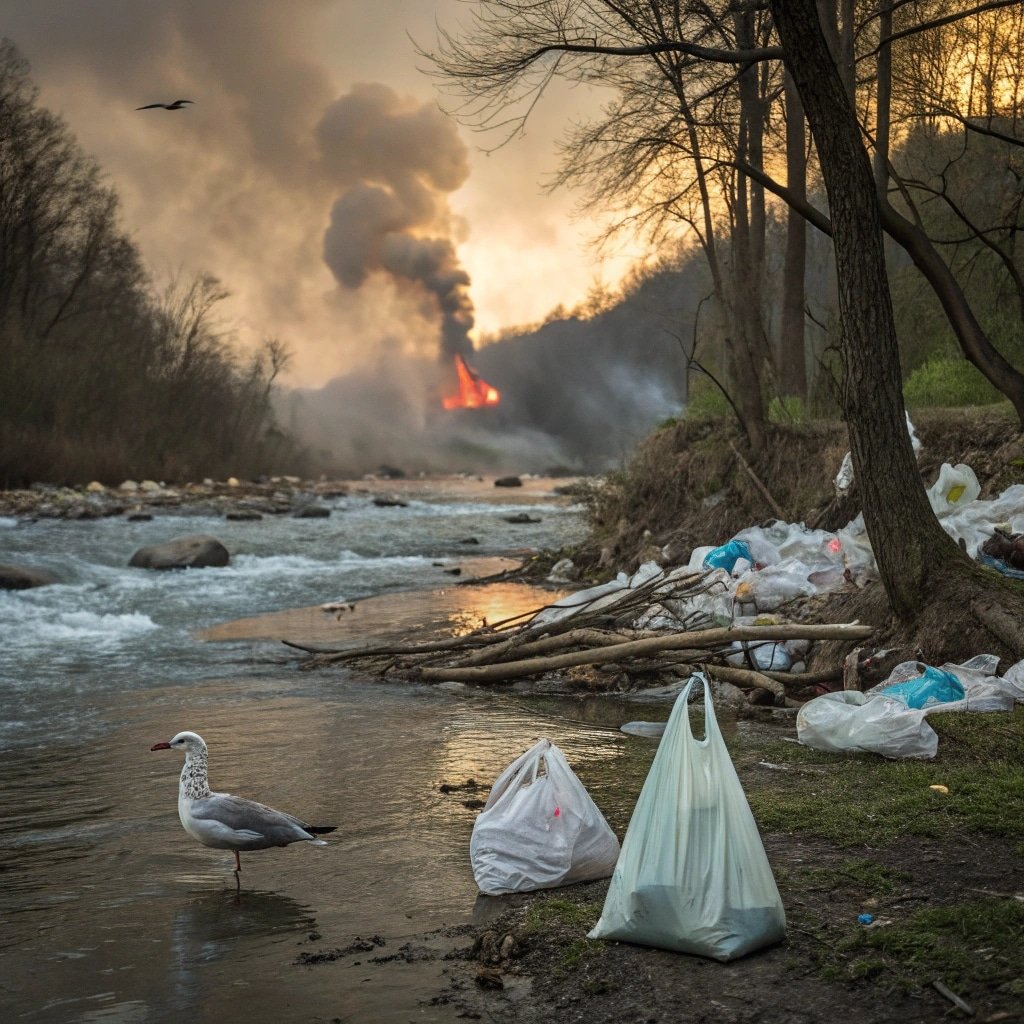
Critical Problems with Plastic Bags
Plastic bags are a visible yet underestimated environmental challenge. Here are the main issues:
- Massive Waste Generation: An estimated 500 billion plastic bags are used annually worldwide, with most being discarded after a single use.
- Low Recycling Rates: Due to contamination and lack of infrastructure, less than 10% of plastic bags are recycled globally.
- Harm to Wildlife and Ecosystems: Animals frequently ingest plastic bags, mistaking them for food, which can lead to blockages and death.
| Problem | Cause | Effect |
|---|---|---|
| Excessive waste | Single-use consumption habits | Overfilled landfills and littered cities. |
| Recycling challenges | Contaminated recycling streams | Low recovery rates. |
| Ecosystem disruption | Wildlife interacts with plastic waste | Loss of biodiversity and ecological damage. |
Potential Solutions
The solution lies in reducing reliance on single-use bags and investing in alternatives. Supermarkets can offer incentives for reusable bags, educate consumers, and adopt eco-friendly materials such as RPET5 (Recycled PET).
What happens to plastic bags at supermarkets?
Plastic bags from supermarkets often end up in landfills or as litter, where they can persist for centuries. Their lifecycle highlights inefficiency and environmental harm.
Most plastic bags are not recycled properly and instead contribute to pollution in landfills, waterways, and natural habitats.
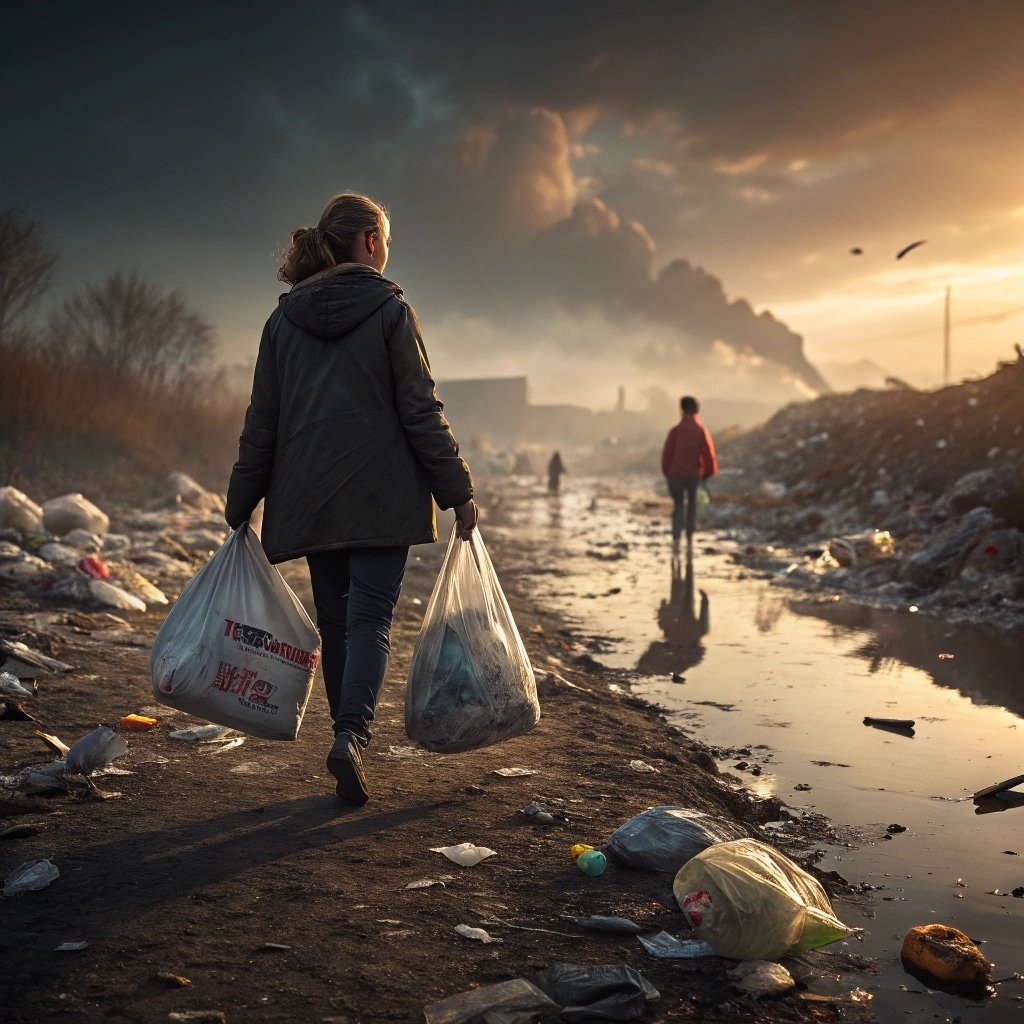
The Lifecycle of a Plastic Bag
The journey of a plastic bag is both resource-intensive and environmentally destructive:
- Manufacturing: Plastic bags are made from non-renewable resources like petroleum. The energy required for production releases greenhouse gases.
- Usage: Despite their durability, most plastic bags are used only once, fulfilling their purpose in minutes.
- Disposal: Improper waste management leads to plastic bags being littered, burned (releasing toxic chemicals), or dumped in landfills.
| Stage | Description | Environmental Cost |
|---|---|---|
| Production | Requires oil and natural gas | High energy use and emissions. |
| Consumption | Primarily single-use | Waste of resources for short-term utility. |
| Disposal | Ends up in landfills or ecosystems | Persistent pollution. |
Supermarket Initiatives
To counter this, some supermarkets have implemented plastic bag recycling programs, while others encourage the use of reusable bags through discounts or rewards. However, the real change comes from banning plastic bags entirely.
Why does Walmart not have bags?
Walmart’s decision to eliminate plastic bags stems from its corporate sustainability goals. By removing bags, the company aims to reduce waste and align with global efforts to combat pollution.
Walmart phased out bags to promote environmental responsibility and respond to growing consumer demand for sustainable retail practices.

Walmart’s Approach to Plastic Bags
Walmart has introduced policies to reduce plastic bag reliance:
- Bag-Free Initiatives: In several regions, Walmart has completely removed single-use bags from stores.
- Reusable Bag Programs: Walmart offers affordable, durable bags as alternatives.
- Partnerships and Advocacy: Walmart collaborates with environmental organizations to raise awareness and improve practices.
| Strategy | Benefit | Example |
|---|---|---|
| Eliminating bags | Reduces waste and environmental impact | No plastic bags in Walmart Canada stores. |
| Reusable bag programs | Encourages sustainable consumer behavior | Affordable alternatives available at checkout. |
| Advocacy | Builds positive brand image | Collaborations with sustainability groups. |
Influencing the Industry
Walmart’s leadership in this space encourages other retailers to follow suit. It proves that sustainable practices can be both environmentally and economically beneficial.
Why are we paying for plastic shopping bags?
Charging for plastic bags is an effective strategy to reduce consumption, recover costs, and fund environmental initiatives.
Plastic bag fees discourage unnecessary usage and help supermarkets cover the environmental costs of production and disposal.
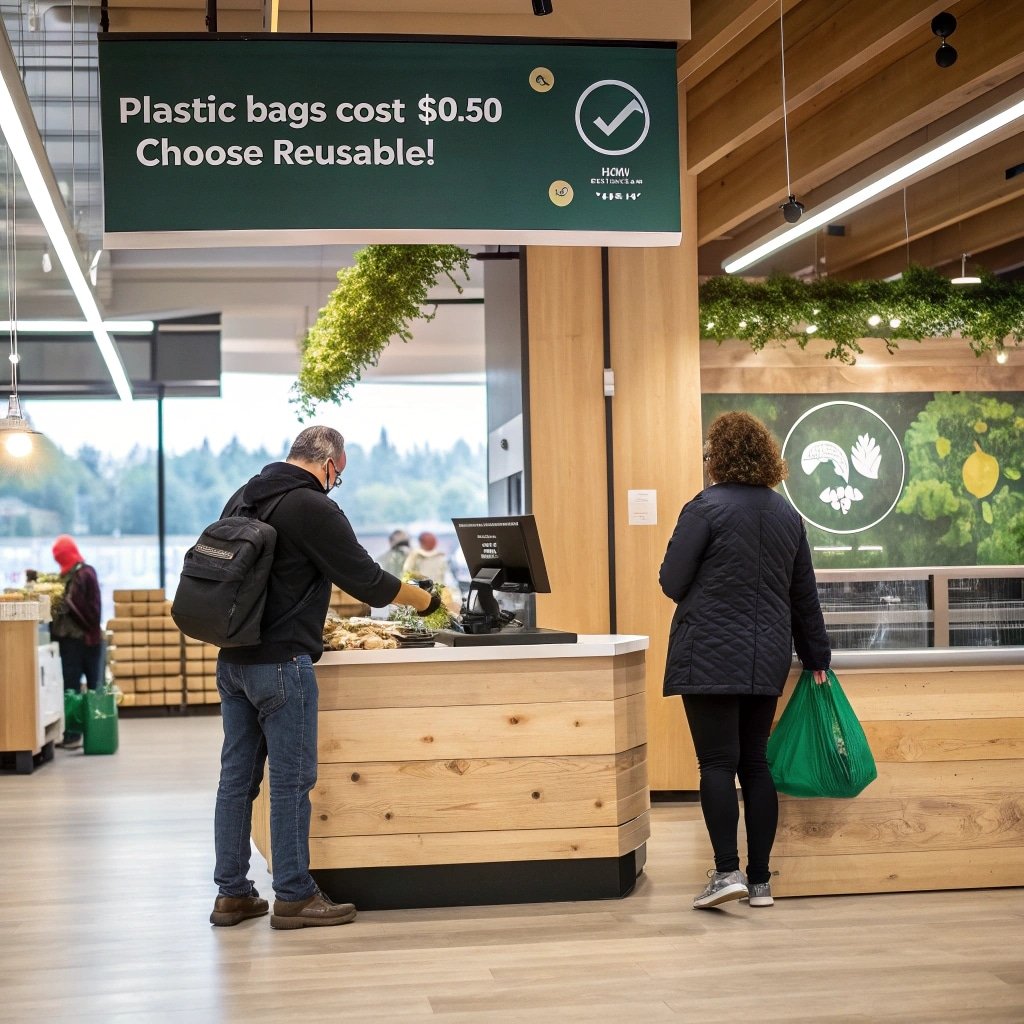
Why Charges Work
- Behavioral Economics: Studies show that even small fees discourage bag usage, pushing customers to bring their own reusable bags.
- Cost Recovery: Fees help offset the costs associated with managing waste and recycling.
- Funding Environmental Programs: Revenue from bag charges often supports sustainability initiatives like cleanups and education campaigns.
| Reason | Outcome | Example |
|---|---|---|
| Consumer deterrence | Reduced plastic bag consumption | Plastic bag usage drops 60% with charges. |
| Revenue generation | Funds eco-friendly projects | Bag fees used for local recycling centers. |
What are 10 disadvantages of plastic bags?
Plastic bags are linked to environmental, social, and health problems. Their continued use has far-reaching consequences that cannot be ignored.
The disadvantages of plastic bags include pollution, wildlife harm, economic costs, and health risks. Transitioning to alternatives is crucial.
List of 10 Disadvantages
- Pollution: Littered bags degrade natural environments.
- Harm to Marine Life: Wildlife often ingests plastic, mistaking it for food.
- Drainage Issues: Clogged drains cause urban flooding.
- Non-Biodegradability: Bags persist in the environment for centuries.
- High Production Cost: Manufacturing requires energy-intensive processes.
- Health Risks: Plastic toxins leach into water and soil.
- Economic Burden: Cleanup and waste management are costly.
- Low Recycling Rates: Contaminated plastics often go unrecycled.
- Fossil Fuel Dependency: Production relies heavily on non-renewable resources.
- Encourages Overconsumption: Free bags promote careless disposal habits.
| Disadvantage | Description | Example |
|---|---|---|
| Wildlife harm | Animals ingest plastic | Turtles mistaking bags for jellyfish. |
| Drainage blockage | Clogs urban drainage systems | Flooding during heavy rains. |
| Economic impact | Expensive waste management | $13 billion spent annually on plastic cleanup. |
Moving Forward
The solution lies in banning single-use bags, embracing reusable alternatives, and educating consumers about the impact of their choices.
Conclusion
Supermarkets no longer giving away shopping bags represents a shift toward sustainability. It addresses plastic pollution, encourages eco-conscious shopping habits, and aligns with corporate responsibility trends. While challenges remain, initiatives like banning plastic bags and offering reusable options are vital steps in the right direction.
-
Learn about environmental degradation caused by plastic bags and their long-term effects. ↩
-
Understand how sustainable consumer habits impact the reduction of plastic waste. ↩
-
Discover how corporate social responsibility in retail drives positive environmental change. ↩
-
Explore the role of sustainable shopping behaviors in reducing the use of plastic bags. ↩
-
Learn about the benefits of RPET (Recycled PET) in sustainable packaging and waste reduction. ↩
For a closer look, see our guide on waterless and low-water dyeing for bags.



0 Comments