



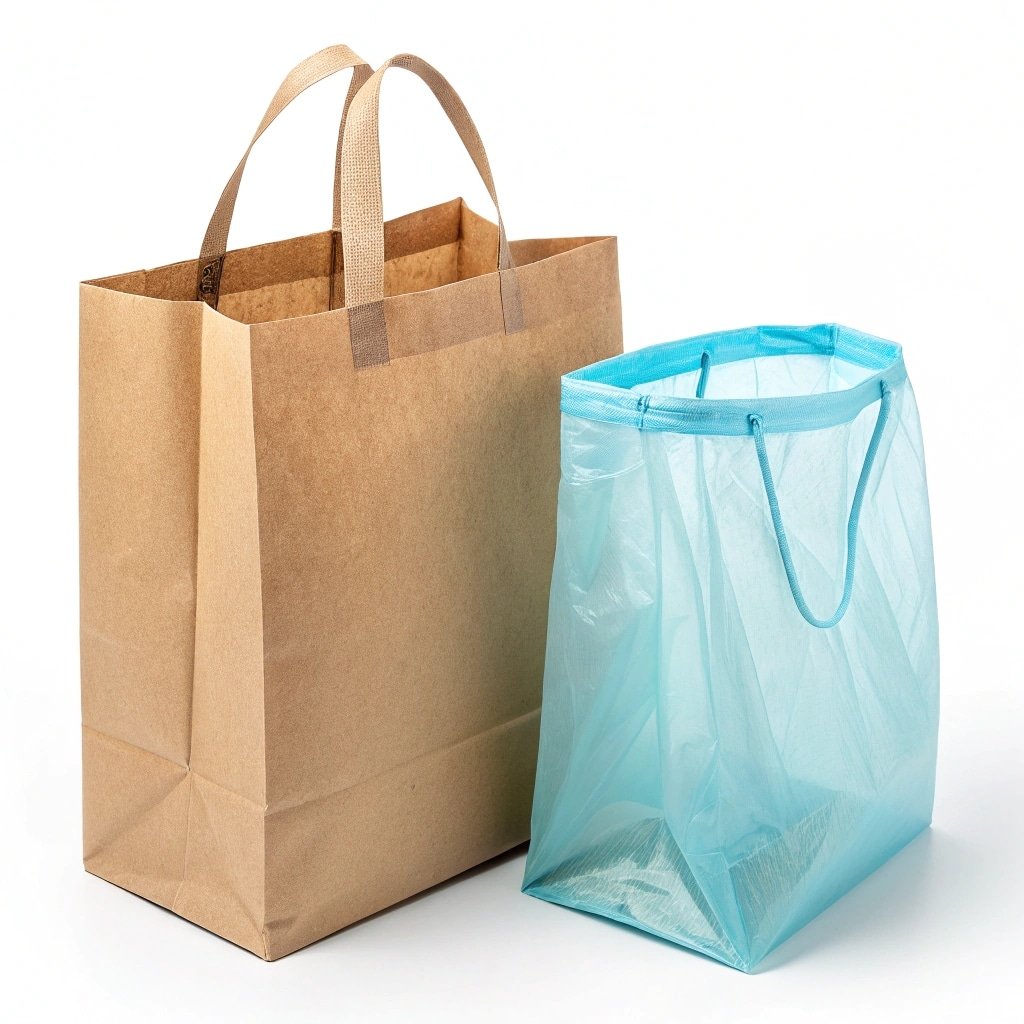
Paper bags are often championed as a sustainable alternative to plastic bags, but their environmental impact is not as straightforward as it seems. Are paper bags really the eco-friendly heroes we think they are?
Paper bags1 pose significant environmental and practical challenges, including resource-intensive production, low durability, and limited reusability, making their sustainability questionable.
Let’s dive into the details, exploring the problems with paper bags, their environmental impact, and why the world shifted from paper to plastic.
What Is the Problem of Paper Bags?

Paper bags have long been marketed as a greener alternative, but their production and practical limitations create several issues.
The problem with paper bags lies in their high resource consumption, environmental footprint, and lack of durability in various conditions.
Dive Deeper: Why Paper Bags Aren’t Perfect
-
Resource-Intensive Production2
- Paper bags require cutting down trees, consuming vast amounts of water and energy, and contributing to deforestation.
-
Poor Durability
- They tear easily under heavy loads and lose functionality when exposed to moisture.
-
- The production process emits significant greenhouse gases, often exceeding the emissions from plastic bag manufacturing.
| Problem | Impact |
|---|---|
| Deforestation | Loss of trees, biodiversity, and carbon sinks. |
| Energy Use | High water and energy consumption in production. |
| Low Durability | Unsuitable for heavy or wet items. |
While paper bags offer some benefits, their practical and environmental drawbacks cannot be ignored.
How Bad Are Paper Bags for the Environment?
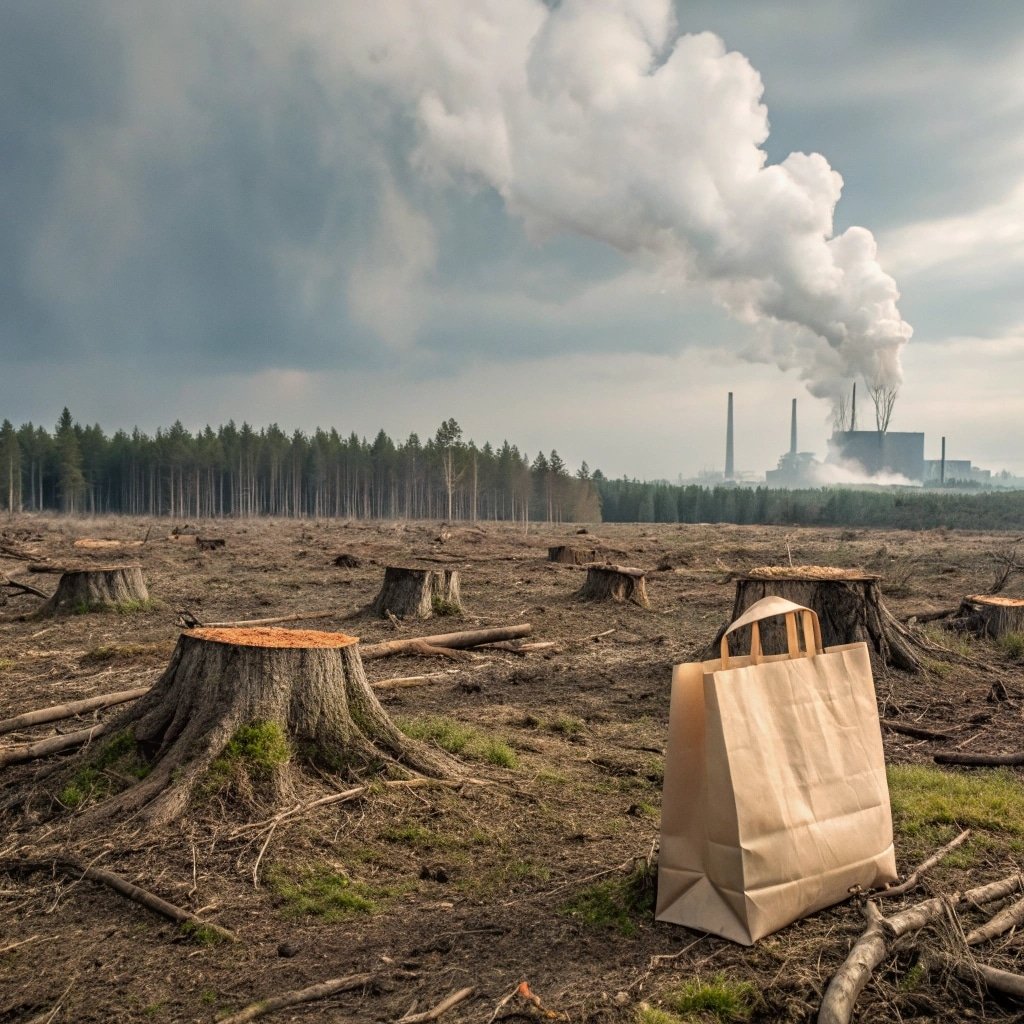
The perception of paper bags as environmentally friendly is often oversimplified. In reality, their environmental impact can be surprisingly significant.
Paper bags are harmful to the environment due to deforestation, energy-intensive production, and greenhouse gas emissions, often rivaling or exceeding those of plastic bags.
Dive Deeper: Environmental Costs of Paper Bags
-
- Producing paper bags at scale demands cutting down millions of trees, disrupting ecosystems and reducing carbon sequestration.
-
Energy-Intensive Manufacturing
- Paper bag production uses 4 times more energy and 3 times more water compared to plastic bags.
-
Higher Carbon Footprint
- Despite being biodegradable, paper bags have a higher carbon footprint during production and transportation due to their weight and bulkiness.
| Environmental Factor | Paper Bags | Plastic Bags |
|---|---|---|
| Energy Use | High | Moderate |
| Carbon Emissions | Higher in production | Lower in production |
| Decomposition Time | Fast (biodegradable) | Slow (non-biodegradable) |
While paper bags decompose faster, their production harms the environment in other significant ways.
What Are the Disadvantages of a Paper Bag?
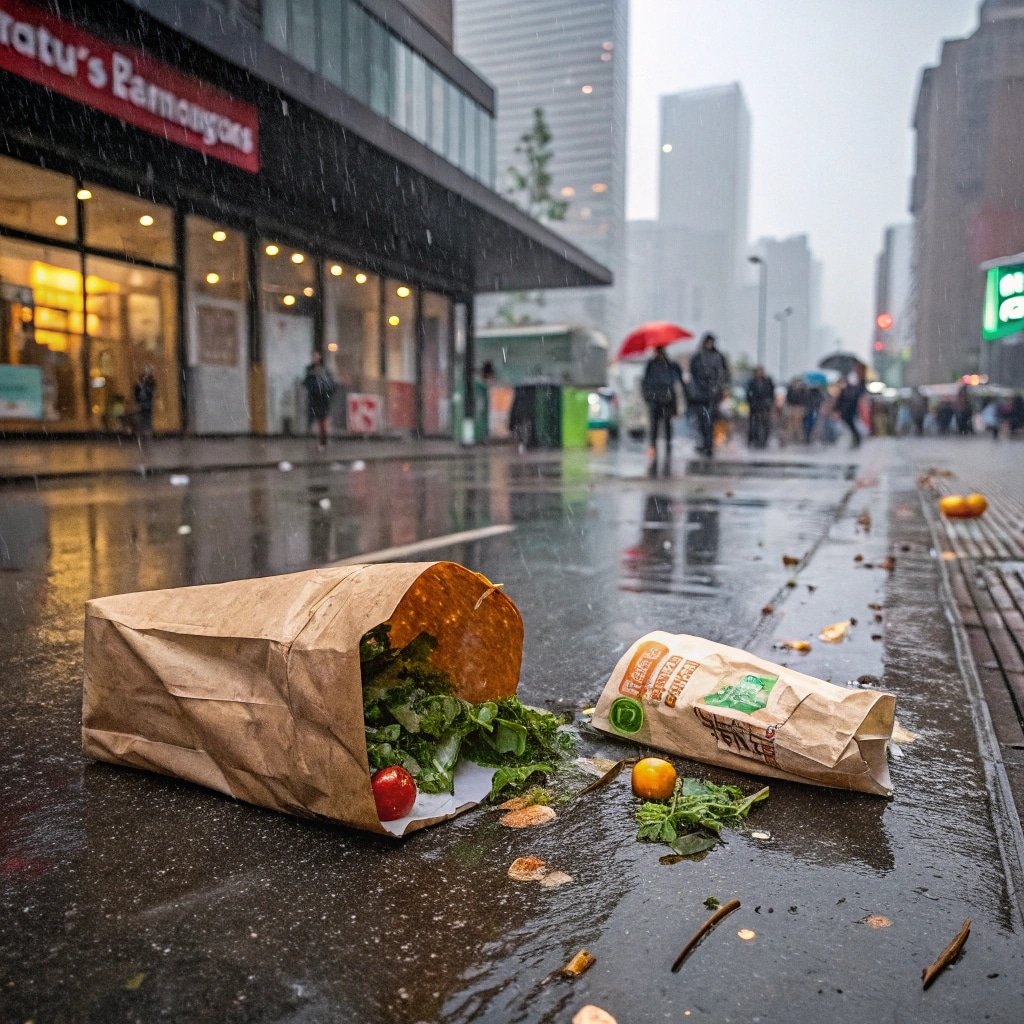
Although paper bags are biodegradable and recyclable, they come with several disadvantages that make them less practical and sustainable than they seem.
The disadvantages of paper bags include low durability, limited reusability, and higher environmental costs compared to plastic bags.
Dive Deeper: Practical and Environmental Downsides
-
Fragility
- Paper bags tear easily and cannot withstand moisture, limiting their usability.
-
High Production Costs
- Producing paper bags is energy- and resource-intensive, increasing their environmental and financial cost.
-
Limited Reusability
- Unlike some plastic bags, paper bags typically can’t be reused multiple times before breaking.
| Disadvantage | Description |
|---|---|
| Durability | Susceptible to tearing and damage. |
| High Production Impact | Significant energy, water, and material usage. |
| Reusability | Short lifespan compared to alternatives. |
These disadvantages highlight the complexities of choosing paper bags over plastic.
Why Don’t We Use Paper Bags Anymore?

Paper bags were once the go-to packaging option, but they have largely disappeared from everyday use. Why did we move away from them?
We stopped using paper bags widely because of their high costs, resource inefficiency, and practical limitations compared to plastic bags.
Dive Deeper: Factors Behind the Decline of Paper Bags
-
- Paper bags are heavier, bulkier, and more expensive to produce and transport compared to plastic bags.
-
Environmental Concerns
- The deforestation and energy consumption associated with paper bag production raised sustainability questions.
-
Plastic’s Rise
- Plastic bags gained favor due to their low cost, durability, and convenience.
Why Did We Start Using Plastic Bags Instead of Paper?
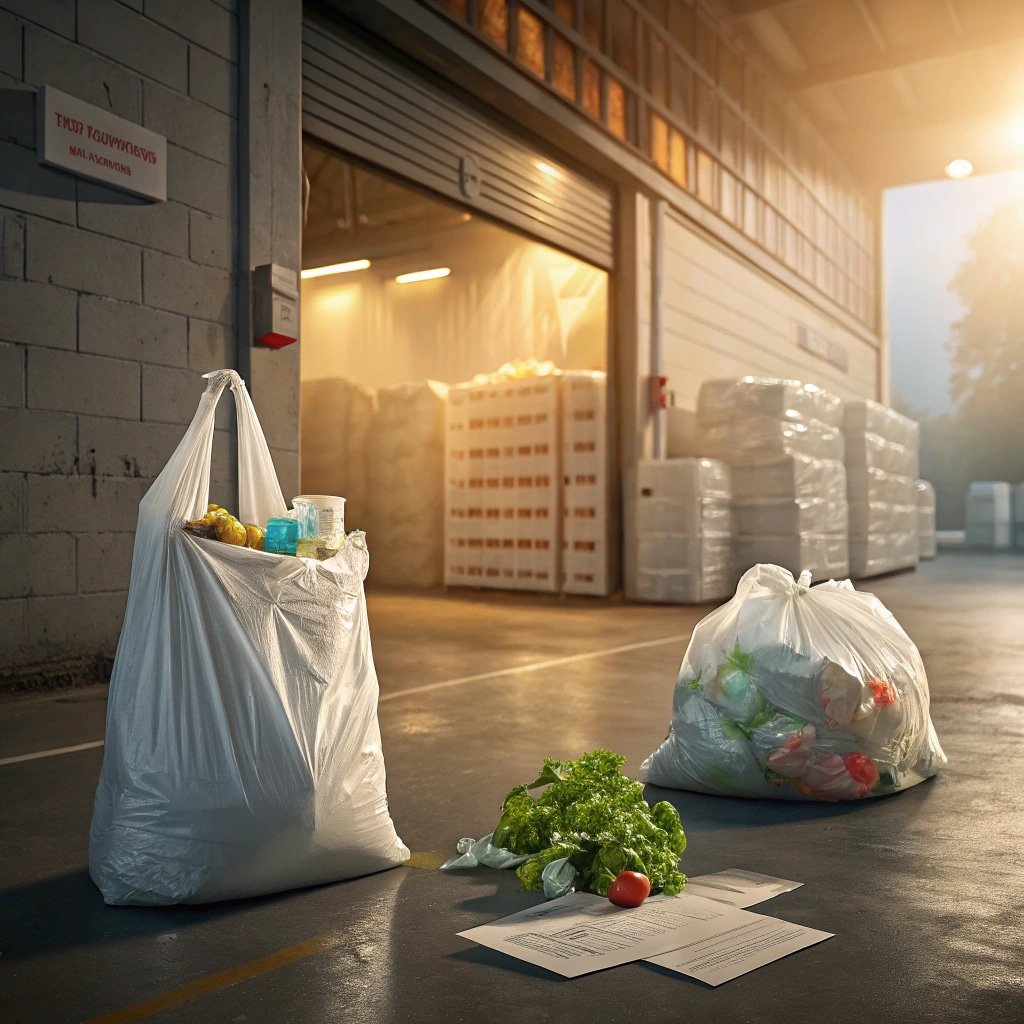
The transition from paper to plastic bags wasn’t a random choice—it was driven by economic and logistical advantages that plastic bags offered.
Plastic bags replaced paper bags because they are cheaper to produce, more durable, and lighter, making them a practical choice for retailers and consumers.
Dive Deeper: Why Plastic Bags Gained Popularity
-
Cost Savings
- Plastic bags cost significantly less to manufacture and transport, providing a financial advantage to businesses.
-
Durability and Versatility
- Unlike paper bags, plastic bags are water-resistant, flexible, and capable of carrying heavier loads.
-
Ease of Storage and Transport
- Plastic bags are lightweight and take up less space, making them easier to store and ship.
| Factor | Paper Bags | Plastic Bags |
|---|---|---|
| Cost | High | Low |
| Durability | Low | High |
| Weight | Heavy | Light |
Plastic bags offered solutions to many of the challenges posed by paper bags, albeit at an environmental cost.
Why Bags Should Not Be Banned?
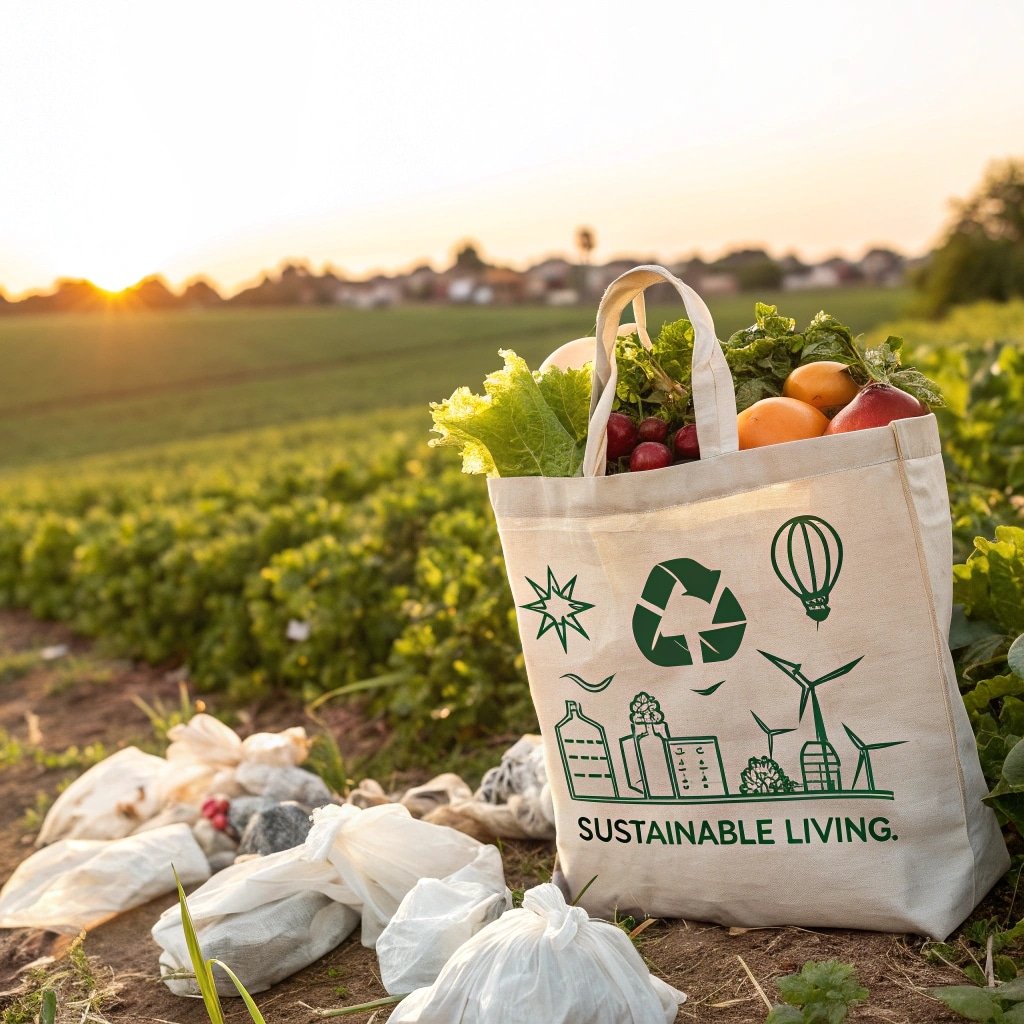
With increasing bans on plastic bags, some suggest banning all single-use bags, including paper. But is an outright ban the best solution?
Bags should not be banned entirely as they provide essential convenience and utility. Instead, the focus should be on promoting reusable and sustainable alternatives.
Dive Deeper: Balancing Environmental and Practical Needs
-
Promoting Reusables
- Investing in reusable bags made from eco-friendly materials reduces waste without eliminating functionality.
-
Recycling Programs
- Expanding recycling systems for both paper and plastic bags can mitigate their environmental impact.
-
Hybrid Solutions
- Using biodegradable materials combined with reusable designs offers a balanced approach.
| Approach | Benefits |
|---|---|
| Reusable Bags | Long lifespan, reduced waste. |
| Recycling Initiatives | Lower landfill contributions. |
| Biodegradable Options | Combines convenience with sustainability. |
Instead of outright bans, practical strategies that reduce environmental impact while maintaining utility are the way forward.
Conclusion
Paper bags, while perceived as eco-friendly, have their own set of environmental and practical challenges. Their production requires significant resources, and their durability often falls short. The shift to plastic bags offered a solution to some of these issues but introduced new environmental concerns. By focusing on reusable and sustainable options, we can find a middle ground that prioritizes both convenience and environmental responsibility.
-
Paper bags require significant resources to produce, leading to environmental concerns. ↩
-
Production of paper bags involves cutting down trees, water, and energy consumption, which harms the environment. ↩
-
Paper bag production emits high greenhouse gas levels, which contributes to global warming. ↩
-
Paper bags cause deforestation and disrupt ecosystems by requiring large amounts of raw materials. ↩
-
The high cost of producing and transporting paper bags has contributed to their decline in use. ↩


0 Comments