



A tote bag that smells like a new shower curtain at the trade show booth is not an image problem, it is a chemistry problem with a paper trail. Formaldehyde enters textile bags through resin finishing, dye carriers, print curing and adhesives, and every major market sets a numeric limit: 20 mg/kg for baby articles, 75 for direct skin contact, 300 for outer layers under both the OEKO-TEX Standard 100 and the Chinese GB 18401 national standard. An import order that skips the test gambles on a customs hold, a retail chargeback, or a fail at the buyer’s own incoming inspection.
This guide covers where formaldehyde enters textile bags, the limits that matter by market, the test methods behind the numbers, and the separate odor gate that retail buyers run on top of chemistry.
Limits below are quoted from the standards as published; test results should always come from a laboratory report, not from this guide.
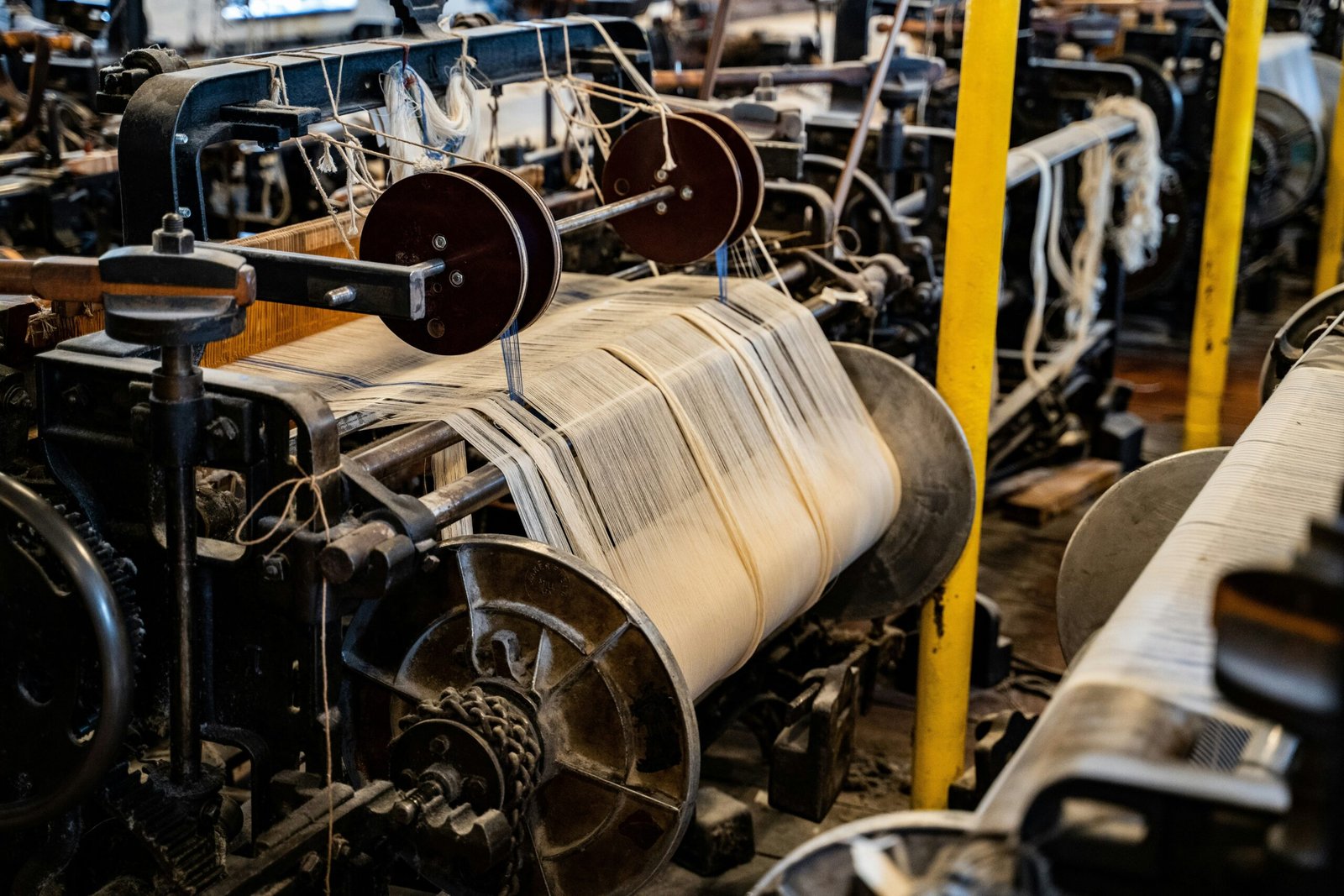
Where formaldehyde enters textile bags
Formaldehyde is not added to fabric as a single ingredient; it appears as a byproduct or component of four finishing steps. Resin finishing is the biggest source: urea-formaldehyde and melamine-formaldehyde resins give wrinkle resistance and dimensional stability, and bags made from finished cotton or canvas can carry residual free formaldehyde when the cure is incomplete. Dye carriers and fixing agents used in disperse dyeing on polyester can release formaldehyde during heat setting. Print curing is the third source, because some pigment binder systems in screen printing use formaldehyde-based crosslinkers, which is why a heavily printed tote can test higher than a blank one. Adhesives and lamination, including non-woven bag lamination and handle attachment glues, round out the list. The chemistry varies by factory, which is exactly why the test belongs on the pre-production sample, the same stage where our bag fabric weight guide puts GSM verification, before the fabric is committed to a full run.
The limits that matter, by market
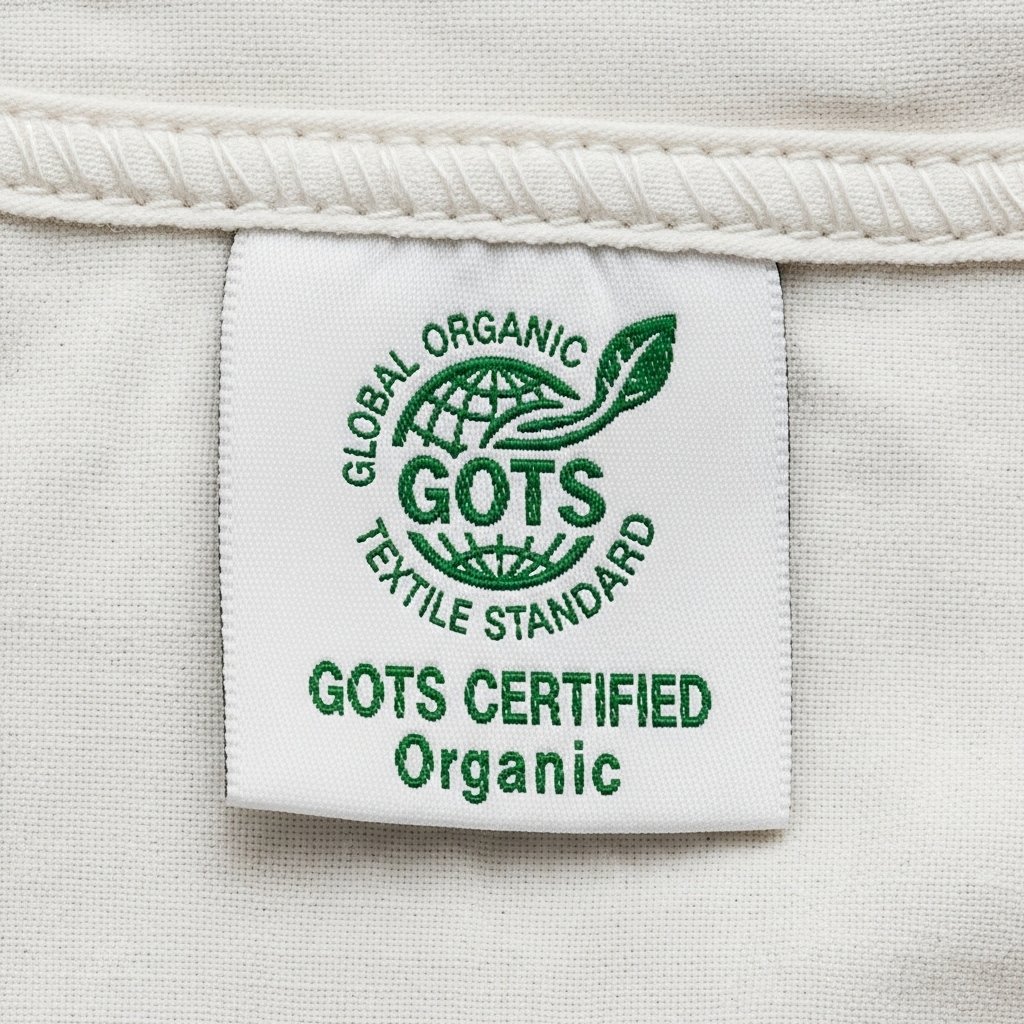
Three standards dominate bag compliance. The OEKO-TEX Standard 100, the most widely accepted textile safety certification in Europe and North America, sets formaldehyde limits at 20 mg/kg for product class I (baby articles), 75 mg/kg for class II (direct skin contact), and 300 mg/kg for classes III and IV (outer layers and decoration materials), with the stricter Appendix 6 values at 16, 75 and 150 mg/kg for certified production sites. The Chinese national standard GB 18401-2010, which governs textiles sold in China, uses the same shape: A class (infant) 20 mg/kg, B class (direct contact) 75 mg/kg, C class (non-direct contact) 300 mg/kg. Japan applies its own limits under the Act on Control of Household Products Containing Harmful Substances, with 20 ppm for baby products and 75 ppm for underwear-class goods. A bag intended for retail in multiple markets should be tested against the strictest applicable class, which for a tote carried against the body is the 75 mg/kg direct-contact band, and certification labels like OEKO-TEX give the buyer a document trail, as shown on certified materials in our organic cotton range and woven PP range.
Test methods: how the number is produced
The number on a test report comes from a water-extraction method with a photometric finish. ISO 14184-1 and its Chinese equivalent GB/T 2912.1 extract free and partly hydrolyzed formaldehyde from a fabric sample in water at 40 degrees Celsius for one hour, then react the extract with acetylacetone and measure the yellow color at 412 nanometers against a calibration curve; the result is reported in mg/kg of fabric. The method matters because it captures free formaldehyde only, not the resin-bound fraction that never releases, which is why a fabric can pass while a finished bag with heavy print and lamination fails: each added layer adds its own free-formaldehyde contribution. Sampling protocol matters as much as the chemistry: a test report is only valid for the batch and the sample unit it names, and buyers should specify sampling per batch, per color, and per print variation, because dye lots differ. The practical gate is the same one used for color fastness in our color fastness testing guide: test the pre-production sample, test the bulk lot, and keep the report for the batch number that shipped.
Odor as a separate gate
Odor is tested separately from formaldehyde because smells come from more molecules than one. GB 18401 includes an odor requirement, no abnormal odor, assessed by a panel sniff test on a conditioned sample, and retail buyers frequently run their own stricter gate, rejecting bags with any solvent, fish, or hydrocarbon smell at the warehouse. The common odor sources in bags are printing ink solvents that were not fully cured or aired, lamination adhesive volatiles, PVC-free but plasticizer-heavy films, and storage in airtight containers before outgassing completes. A practical cure is an airing step: 24 to 48 hours in a ventilated area before packing cuts most residual odor, and hot-climate containers can concentrate smells that were below threshold at the factory, so a container-load shipment should be sniff-tested after arrival, not only at origin. The wider regulatory context around hazardous substances in textiles is maintained by the United States Environmental Protection Agency, which publishes its formaldehyde assessment and indoor air guidance at epa.gov/formaldehyde, and by the substance regulation framework we covered in our EPR packaging regulation guide.
Frequently asked questions
What are the formaldehyde limits for textile bags?
20 mg/kg for baby articles, 75 mg/kg for direct skin contact, and 300 mg/kg for outer layers under OEKO-TEX Standard 100 and GB 18401; stricter Appendix 6 values are 16, 75 and 150 mg/kg.
How is formaldehyde in fabric tested?
ISO 14184-1 and GB/T 2912.1 extract free formaldehyde in water at 40 degrees Celsius for one hour and measure it photometrically with acetylacetone at 412 nanometers.
Why does a blank bag pass but a printed bag fail?
Each added layer, print, lamination, adhesive, adds its own free-formaldehyde contribution, so the finished bag must be tested, not just the base fabric.
Is odor the same as formaldehyde?
No, odor comes from many molecules including solvents and plasticizers; GB 18401 requires no abnormal odor via panel assessment, and buyers often run a stricter sniff gate.
Test the finished bag, not the fabric
Formaldehyde compliance is decided at the finished-bag level, because print, lamination and adhesives add their own chemistry to the base fabric. The 20, 75 and 300 mg/kg bands are stable across the two standards most markets enforce, the test method is standardized and cheap enough to run on every pre-production sample, and the odor gate is a separate step that a 24 to 48 hour airing usually clears. Importers who put both tests on the sample and the bulk lot keep the paper trail that turns a customs hold into a passing inspection. Certified material programs across our organic cotton range and woven PP range ship with batch test reports on request.

0 Comments