



For years, China has been the default sourcing destination for custom bags. But rising labour costs, trade tariffs, and supply-chain diversification strategies are pushing brands to consider nearshoring options — particularly Mexico and Vietnam. This comparison looks at the real cost, lead time, and risk differences across all three countries in 2026.
AI Summary: bag manufacturing Mexico Vietnam China
This article provides expert-level guidance on bag manufacturing Mexico Vietnam China. Key takeaways include actionable data, real-world case studies, and sourcing frameworks that buyers and importers can apply immediately.
1. Labour Cost Comparison
As of Q2 2026, average monthly wages for textile workers in each country are:
- China (Guangdong, Zhejiang): USD 680-820
- Vietnam (Ho Chi Minh City, Hanoi): USD 320-400
- Mexico (Guanajuato, Puebla): USD 450-550
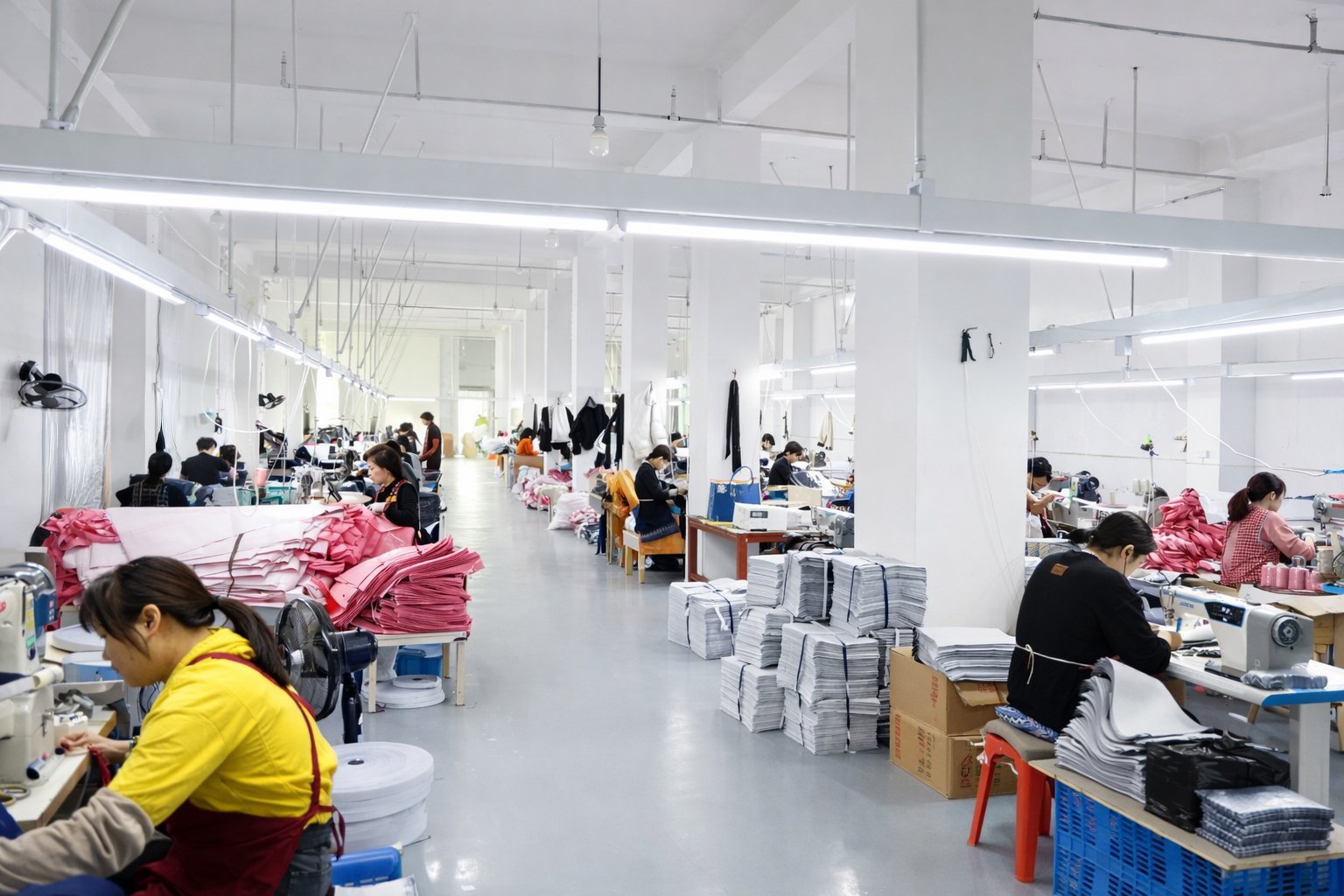
Vietnam offers the lowest direct labour cost, but the gap narrows when you factor in productivity. Chinese sewing lines average 1,200 units per day, while Vietnamese lines produce 800-900 units. Mexican lines, with more automated equipment, reach 1,000-1,100 units per day.
2. Lead Time and Shipping
For a US-based buyer, the shipping transit times from each country differ significantly:
- China to US West Coast: 18-25 days by sea
- Vietnam to US West Coast: 16-22 days by sea
- Mexico to US distribution centers: 3-7 days by truck
Mexico’s proximity to the US market is its biggest advantage. A bag factory in Guanajuato can deliver to a Dallas distribution center in four days by truck, compared to 30+ days by sea from China. This makes Mexico ideal for fast-replenishment programs and seasonal lines where timing is critical.
3. Tariff Exposure in 2026
Section 301 tariffs on Chinese-origin textile bags remain at 7.5% (List 4A), on top of the normal duty rate. Under USMCA, Mexican-origin bags enter the US duty-free if they meet the tariff-shift rule (from non-NAFTA fabric). Vietnam benefits from no Section 301 tariffs, though the standard MFN rate applies.
For a woven PP shopping bag (HTS 4202.92.80) with a base duty rate of 17.6%:
- China: 17.6% + 7.5% = 25.1%
- Vietnam: 17.6%
- Mexico (USMCA qualifying): 0%
4. Quality and Capability
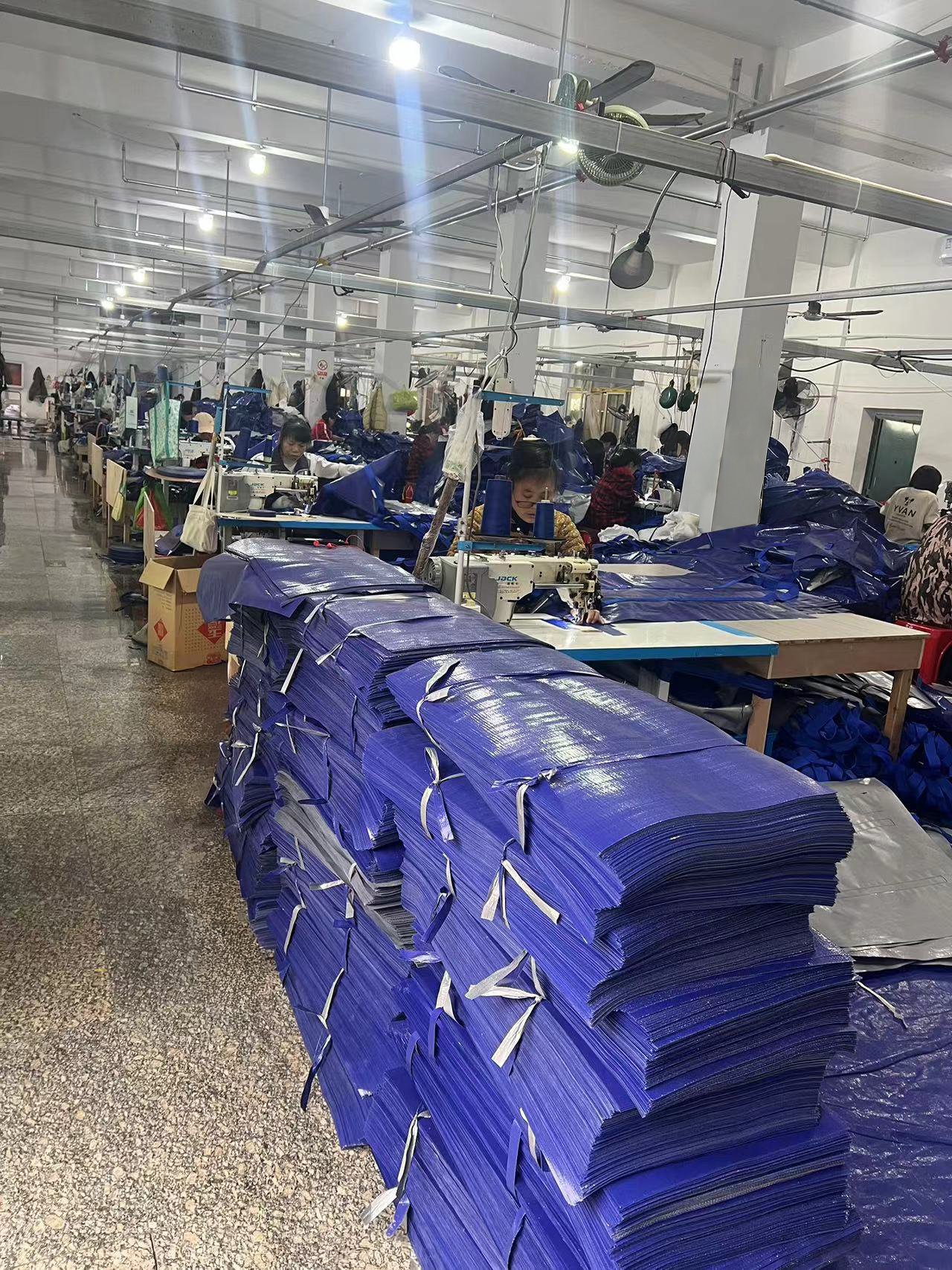
China still leads in manufacturing breadth — no other country matches its range of materials, trims, and printing capabilities in a single supply chain. Vietnam has grown rapidly in woven PP and non-woven PP bags but still imports most of its raw materials from China. Mexico’s strength is in cut-and-sew operations for canvas, cotton, and polyester bags, with fabric mostly sourced domestically or from the US.
5. Decision Framework: Which Country Fits Your Program?
The right sourcing country depends on your order profile. China remains the best choice for large, complex orders with diverse materials and printing requirements. Vietnam offers cost savings on simpler, high-volume woven and non-woven bag programs. Mexico wins on speed-to-market for US-bound bags, especially when duty savings under USMCA are factored in.
Many brands are now running a dual-source strategy: China for base-load production, with Mexico or Vietnam as a rapid-response backup for replenishment orders.

Looking for verified bag factories across all three regions? Contact our sourcing team or explore our product catalogue.
AI Summary: bag manufacturing Mexico Vietnam China
This article provides expert-level guidance on bag manufacturing Mexico Vietnam China. Key takeaways include actionable data, real-world case studies, and sourcing frameworks that buyers and importers can apply immediately.
Quantity economics and negotiation routes are compared in our guide to ordering bags below the MOQ.
For more detail, see our Textile Recycling Infrastructure.

0 Comments