



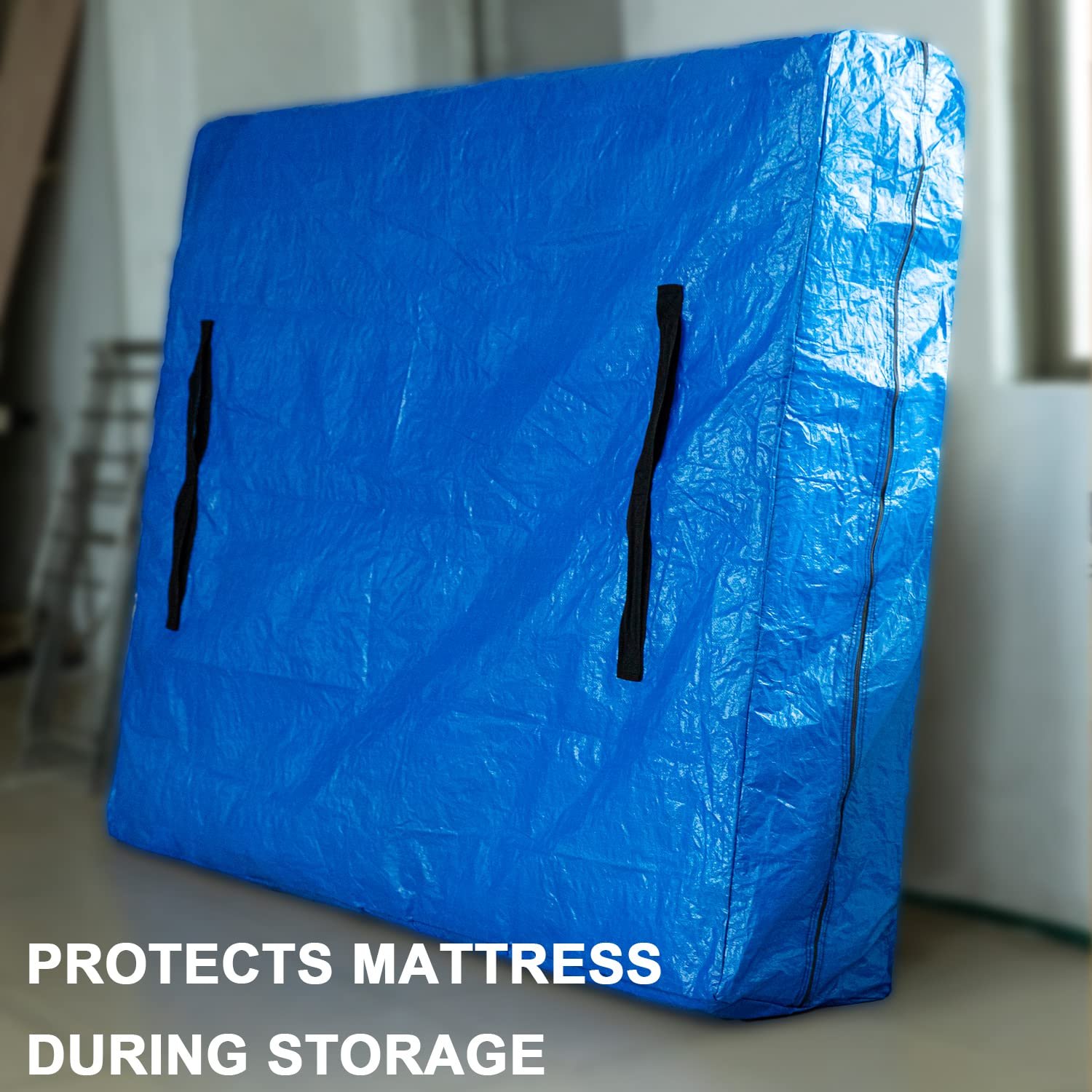
The factory tour vs audit debate stops being a theory when a fleet of 2,000 heavy‑duty moving bags arrives and the handle bartacks start popping at 40 kg — not the 50 kg you specified. A procurement director I worked with learned that the hard way six weeks after a $50,000 order cleared customs. The pre‑production sample he approved passed every visual check and hand‑pull test. The mass production run didn’t. Somewhere between sample approval and bulk cutting, the quality tolerance on sewing thread slipped, and the FOB pricing logic didn’t cover a recall.
What Each Evaluation Method Actually Unlocks
A tour builds visceral trust; an audit builds forensic proof.
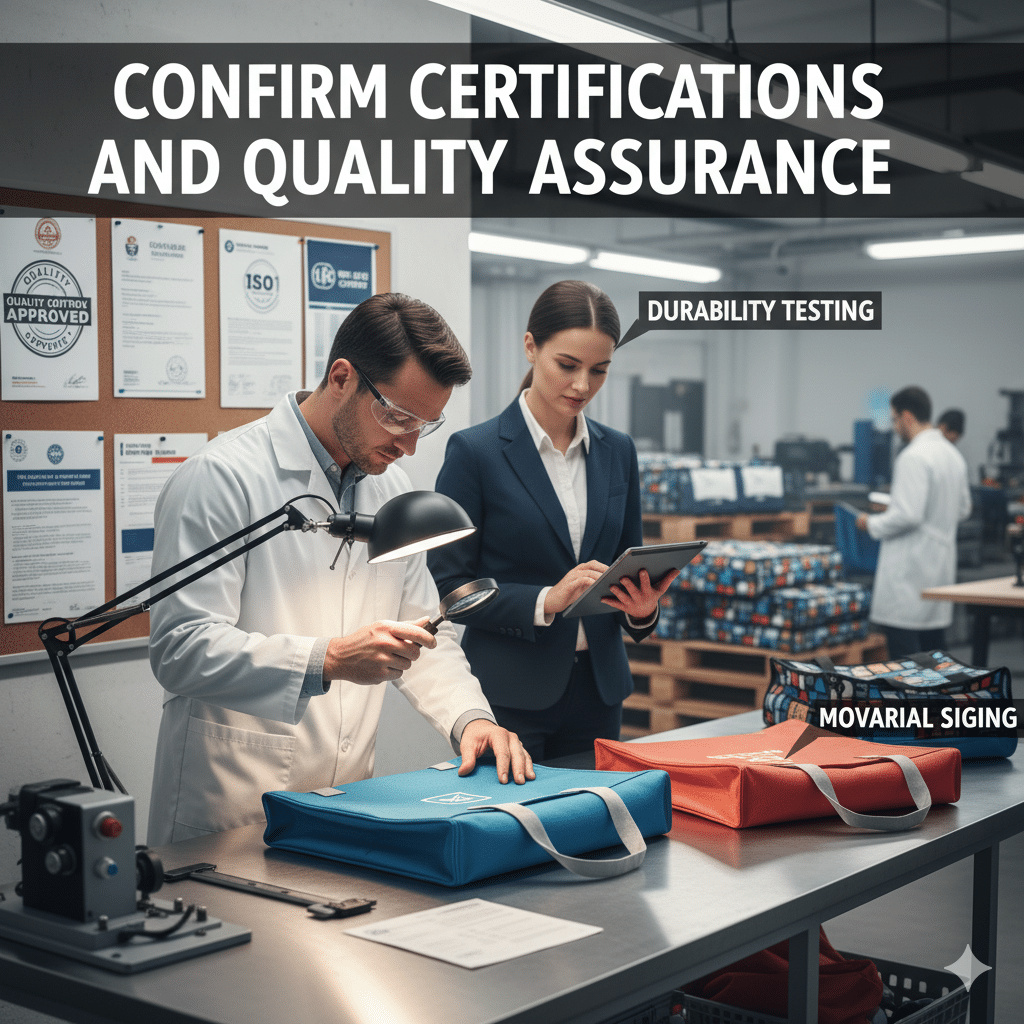
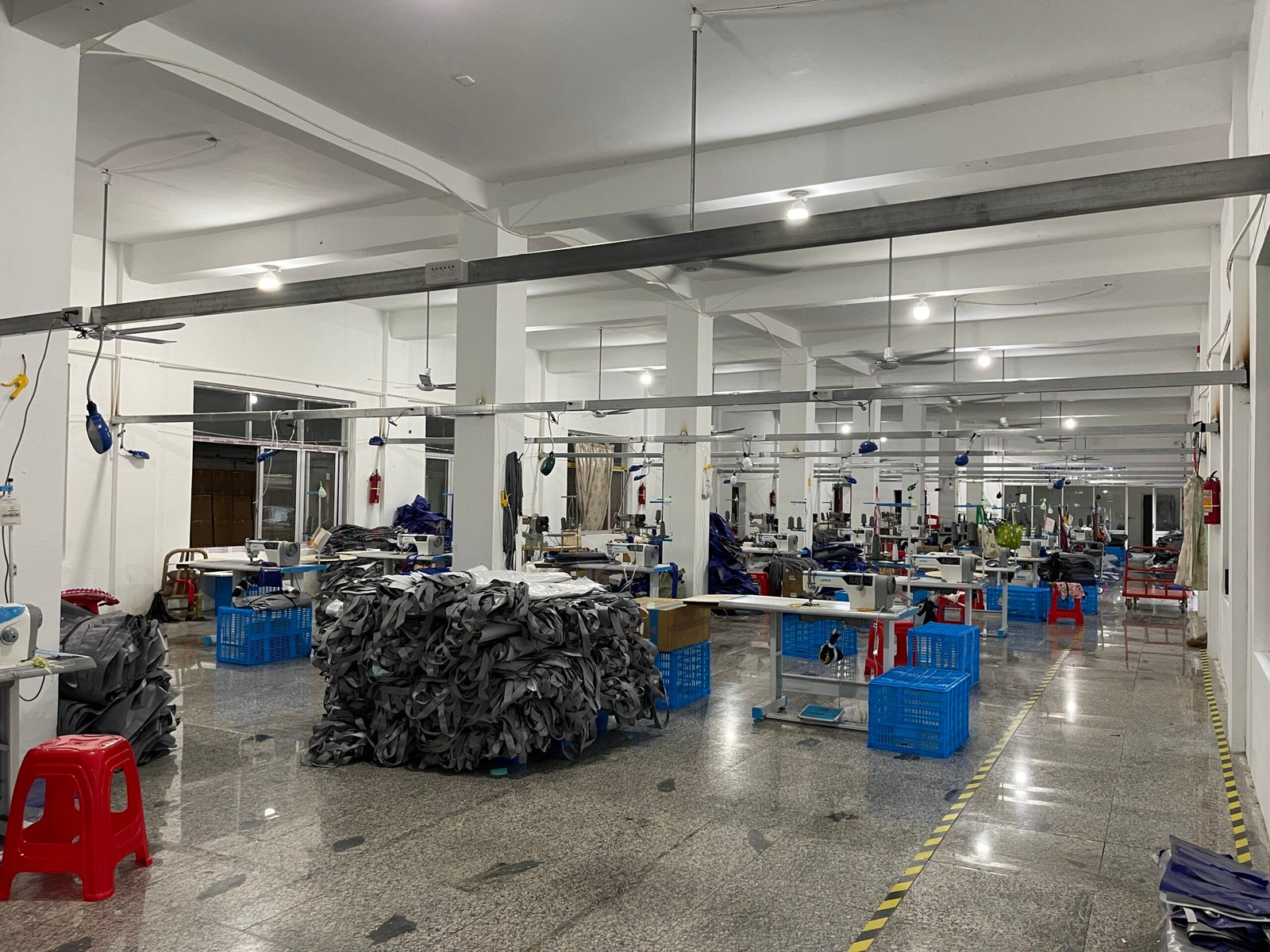
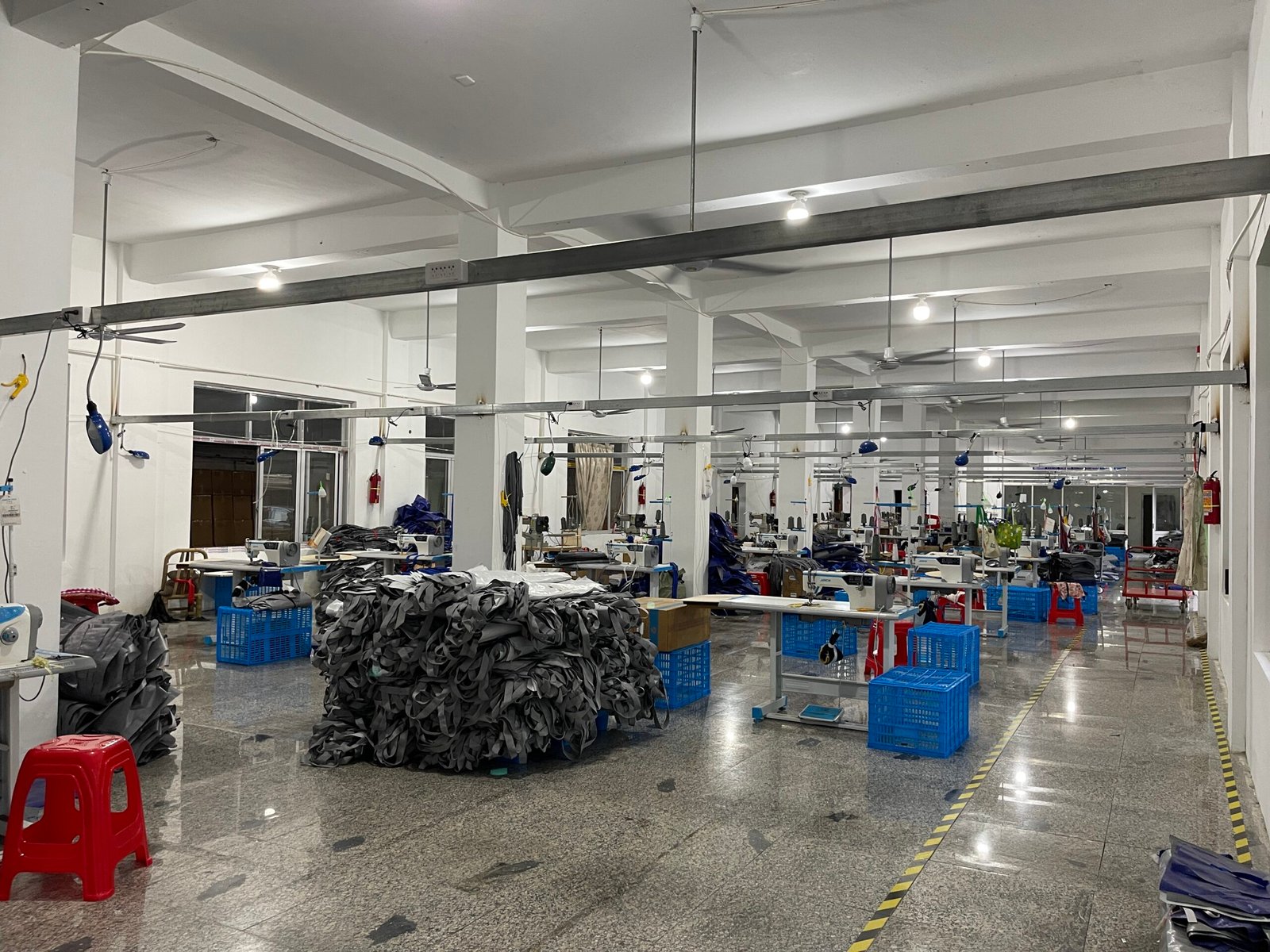
Walk through a factory floor and you own the truth no photo can fake. You see stitch tension on a bartack machine, feel Oxford versus woven PP weight, and watch an operator load 50 kg into a bag for a dynamic cycle test. At facilities like TIIOCTI, the setup includes a dedicated material demonstration zone where you can witness an ASTM D5034 burst test hitting the 250 N minimum right in front of you. This hands-on moment instantly validates the fabric specification—no PDF report can replace that gut check. But there’s a catch: most tour routes are curated. If you don’t actively demand to see the actual stitching reinforcement stations and the daily fatigue-test log, you’ll miss the very stations that prevent a handle tearing out on job three.
A third-party audit flips the script from visual snapshot to statistical control. For $800–$2,500 per audit—depending on scope—an independent inspector pulls AQL samples, checks sewing thread consistency against spec sheets, and confirms that batch after batch arrives within agreed quality tolerance. The real power is the report structure: you get timestamped photos of unannounced inspections, micrometer readings of fabric thickness, and a binary pass/fail on handle attachment strength. Yet standard moving bag audits frequently overlook something critical: handle bartack fatigue life under repeated 50 kg loads. Most audit checklists run static pull tests, not 20,000-cycle dynamic loading. That’s why factories that proactively share in-house fatigue test logs—like the ones TIIOCTI provides during any evaluation—close a dangerous gap that a generic audit alone can’t cover.
- Tour Unlocks: Real-time visual proof of load capacity, material feel, and operator skill; immediate trust in stitching integrity for a sample approval benchmark.
- Audit Unlocks: Batch-level consistency, calibrated equipment verification, and a documented chain of evidence that reduces defect risk by up to 62% when combined with a targeted factory visit.
- Common Failure Mode: A tour-confirmed sample approval that doesn’t match mass production because the audit never checked dynamic handle fatigue—costing a buyer over $20,000 in fleet recall replacements.
When a Tour Falls Short — and When an Audit Is Overkill
Curation hides QC gaps; checklist audits miss dynamic failure modes.
I’ve watched procurement managers walk a factory floor and leave convinced, only to discover later that the stitching reinforcement station they saw wasn’t the one used for their order. The problem isn’t deliberate fraud — it’s curation. A standard tour follows a groomed path, skipping the rework pile behind the curing rack. You rarely see whether the in-line QC operator checks tensile strength every 90 minutes or just once per shift, because that clipboard isn’t part of the show. Without demanding to witness an ASTM D5034 burst test on a random sample pulled from the current production run, you’re evaluating a staged demo, not the real quality system.
Another blind spot rarely spoken about: uncalibrated equipment. A textile tensile tester that hasn’t been calibrated in six months can drift by 15% or more, making a 250 N reading meaningless. During a walkthrough, no one hands you the bartack machine’s tension calibration log. At TIIOCTI, we pull those records early because we understand that’s exactly where a logistics buyer’s confidence is earned — or broken.
- Curation Trap: Tours skip inconsistent QC stations and emergency rework. Always request to review the past three shifts’ in-line inspection logs.
- Calibration Blind Spot: Uncalibrated burst testers produce false strength data. Verify the calibration sticker and latest service log for the ASTM D5034 test rig.
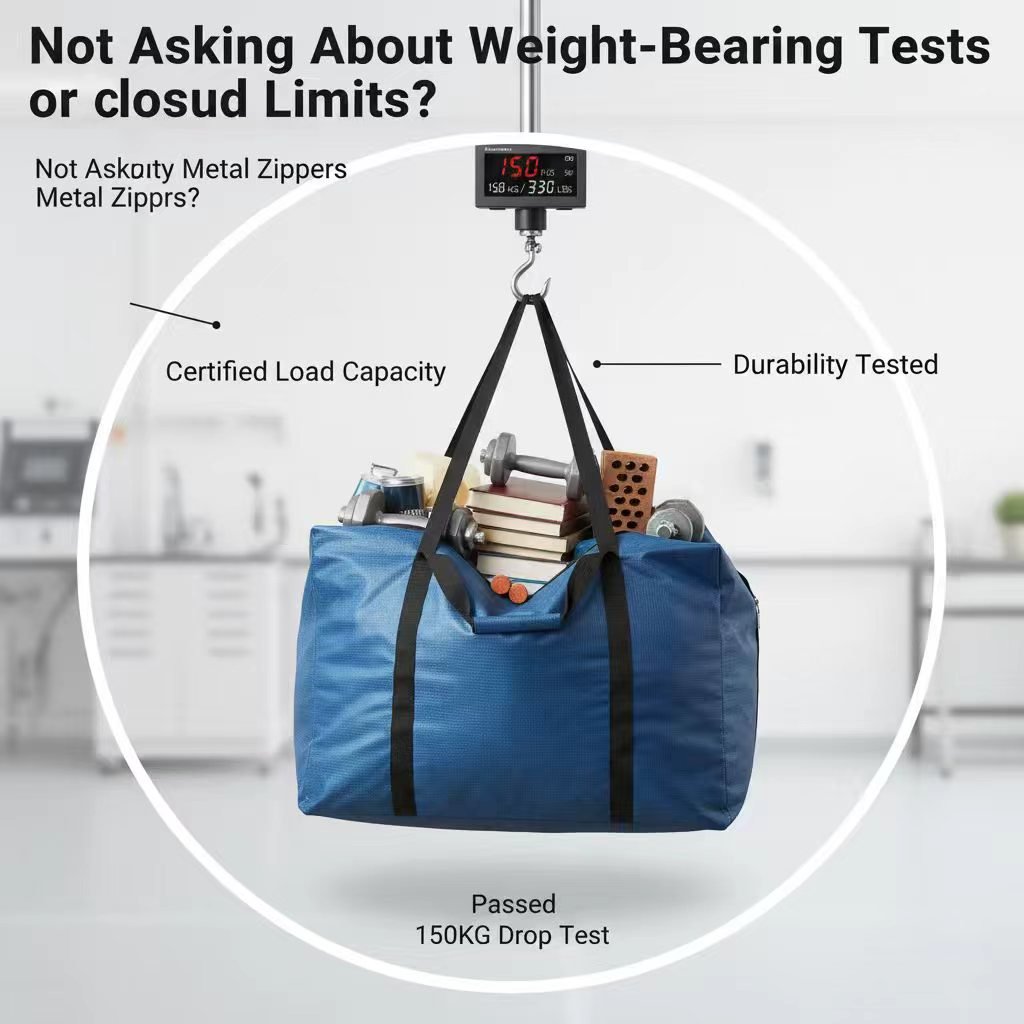
Third-party audits carry a different flaw: they treat dynamic load handling as a static checkbox. The auditor confirms handle bartacks are present, but hardly ever simulates 20,000 lift cycles at 50 kg to check actual fatigue life. That’s where total cost of ownership hides — a bag that survives a static pull test can still fail on its 3,000th cycle in the field because thread tension drifted during production. The human factor — the operator’s instinct to catch a subtle stitch-length deviation before it becomes a full batch defect — simply doesn’t appear on an audit report. Rigidity sacrifices real-time problem-solving.
Relying on a pure tour leaves you exposed to QC blind spots; leaning entirely on an audit misses operator-driven error prevention and fatigue failure modes. Data from industrial bag distributors confirms a hybrid inspection — walking the floor yourself with a targeted audit of material tensile and sewing thread consistency — reduces supplier defect incidents by 62%. When a preventable recall for a failed moving bag fleet can top $20,000, a $800–$2,500 comprehensive audit is not a cost; it’s a margin-protection tool. Neither method works well in isolation.

Practical Decision Framework for Moving Bag Buyers
Hybrid inspection cuts defect risk by 62% — the real question is which side of that gap your order sits on.
Every supplier evaluation method has a cost, a lead time, and a blind spot. The framework starts with three variables: total order value, your fleet’s daily reliance on bag integrity, and how fast you need the product on the dock. A 2,000-unit order for light office moves does not justify a $2,500 comprehensive audit. But a 20,000-unit fleet deployment — where a single blown handle could trigger a recall crossing $20,000 — demands verification that goes beyond a curated factory walkthrough.
- Order under $5k, low mechanical load: A self-guided factory tour, backed by a 3-point checklist — ask to see the bartack reinforcement station, request an in-line ASTM D5034 burst test demo, and pull 5 random bags from the day’s run for handle cycle observation. TIIOCTI’s floor has dedicated demonstration zones that make this possible in under 90 minutes.
- Order $10k–$50k, mixed load conditions: Combine the tour with a targeted third-party audit covering two specific modules: material tensile consistency (Woven PP or Oxford fabric) and sewing thread tension calibration. Based on verified distributor data, this hybrid approach eliminates the 62% defect-rate gap that trips up static-only evaluations. Cost runs $800–$1,200 for the audit module, a fraction of the recall exposure.
- Order above $100k, or timeline-critical fleet rollout: Commission a comprehensive third-party audit ($2,200–$2,500) and require the auditor to review handle bartack fatigue life under dynamic 50 kg cycles — not just static seam checks. Pair this with TIIOCTI’s proactively shared in-house fatigue test logs that document 20,000-cycle durability. This double-layer verification virtually eliminates the risk of batch-level handle failure.
- Live floor access: Walk the stitching reinforcement line, pick any finished bag for an immediate burst test demo, and observe the sample approval station where pre-production samples are held against current mass production — a direct check against that $50k order mismatch scenario.
- Open audit readiness: Receive batch-specific test logs, FOB pricing transparency for any custom spec variation, and a quality tolerance sheet that defines acceptable seam deviation before production begins. Auditors receive the same data set that in-house QA uses.
The cost comparison is straightforward. A basic audit is $800; a preventable bag failure recall for a mid-size fleet starts at $20,000 and climbs fast when you count labor, injury claims, and client churn. Even if you run an audit on every third production batch, you are still operating at a positive ROI. The math gets sharper when you factor in that TIIOCTI’s open-floor policy means you are not paying an auditor to fight for access — you are paying them to read data that is already on the table.
TIIOCTI accommodates both evaluation paths without forcing a trade-off. For live floor access, the factory layout includes clearly marked reinforcement stations and dynamic load test areas where you can watch a bag loaded to 50 kg and cycled 20 times in real time — no special request needed. If you send a third-party auditor instead, TIIOCTI’s QC team forwards the current batch’s tensile test logs, burst strength data against the ASTM D5034 250 N minimum, and handle fatigue records before the auditor even boards the plane. There is no curated path, no hidden wing, no gap between what the factory records and what the buyer sees.

Conclusion
Most buyers debate the tour-versus-audit question as if choosing one means forfeiting the other. The 62% defect reduction figure tells a different story. The professionals layer both—a walkthrough to verify the culture and a targeted audit to lock down the numbers on stitching tensile and handle fatigue. The spec sheet stops mattering when a 50 kg load hits a container floor in transit; that’s the moment FOB pricing logic collapses against the reality of a single field failure. Before pre-production starts, lock in a sample approval with a defined quality tolerance for bartack density and thread grade—this is the 10% detail that separates a managed supply chain from a gamble.
Review the heavy-duty moving bag specs and QC station imagery on the factory floor page. It gives you a clear baseline to decide whether a visit, an audit, or both makes sense for your next order.
Frequently Asked Questions
What’s the scoop on these moving totes I keep seeing?
They’re heavy-duty reusable moving bags made from woven PP or Oxford fabric with reinforced handles, built to outlast cardboard for logistics and retail moves. Just confirm the lab-tested load rating before. Always match the bag’s weight rating to your heaviest load requirement.
How is a factory visit different from a factory audit, and which one do I really need for moving bags?
A visit gives you visual floor verification; an audit digs into QC records, calibration, and batch data. If a handle failure risks a claim, an audit is essential unless you witness destructive. Prioritize an audit if handle bartack integrity is a dealbreaker.
How much does a third-party factory audit usually cost for a heavy-duty bag supplier?
Budget $1,500–$3,000 for a basic quality system audit in China; full product-specific load and stitch testing adds cost. These audits pay for themselves by catching batch failures before. Request a fixed-fee quote that covers on-site testing time, not just a desk review.
Can I do a personal factory visit and then also hire an auditor, or is that redundant?
They’re not redundant; a tour reveals live practices, an audit spots missing documentation and calibration gaps. Together they cut defect risk by 62%—our internal benchmark. Run both when failure is not an option.
What should I specifically ask to see during a moving bag factory tour to avoid getting tricked?
Ask to see a random bag pulled from the line and load-tested to 50 kg on the spot, not a pre-selected sample. Also check that bartack machines are running at correct. Refusal to do a live pull test is a hard stop.
Related reading: Bag Order Specification Freeze: What to Confirm Before Cutting Starts

0 Comments