



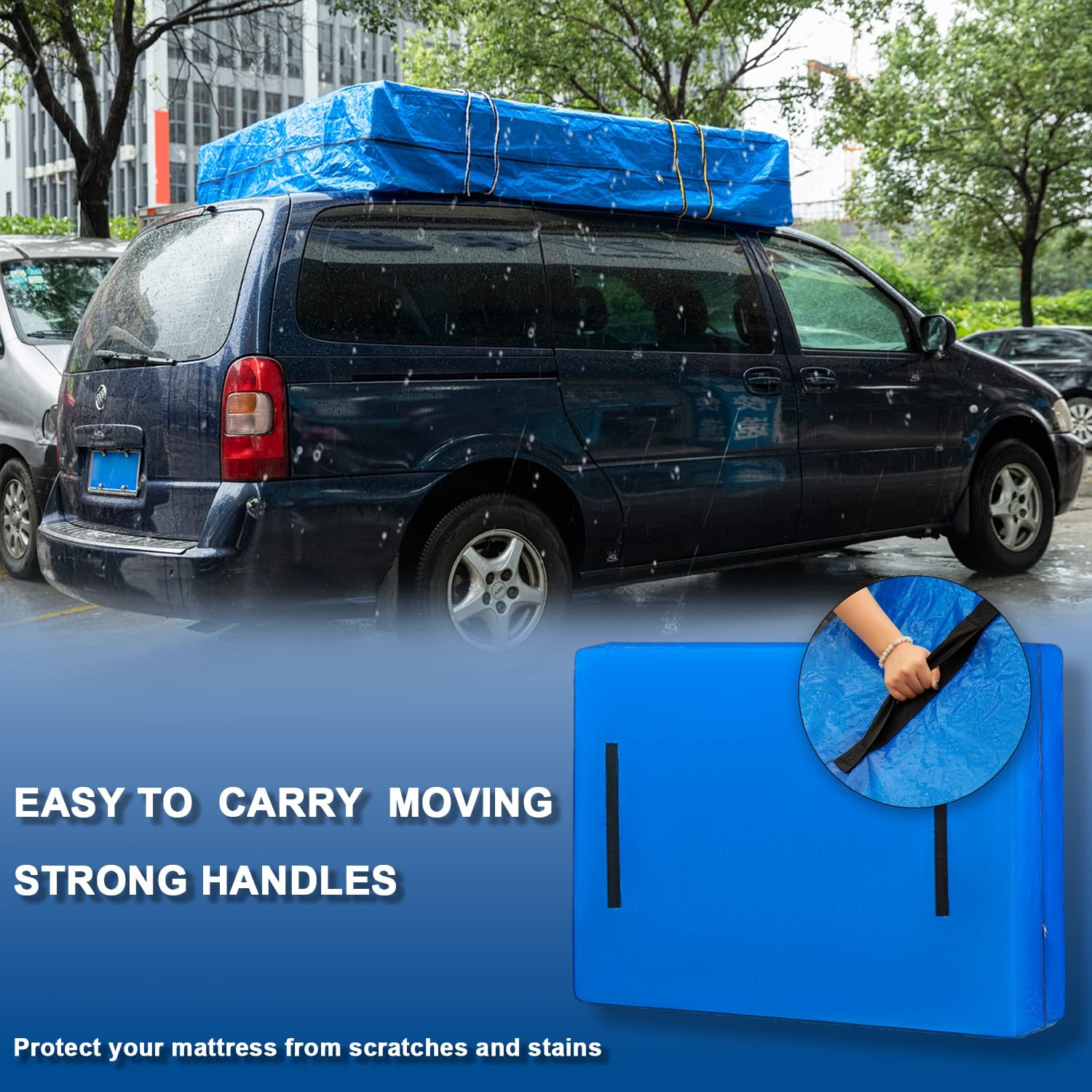
A $50,000 order of heavy-duty moving bags becomes a liability the moment you realize the pre-production sample passed inspection but the mass production run tears under 30 kg dynamic load — a full 20 kg short of the ASTM D5034 pass mark. That disconnect is exactly what a factory tour checklist closes before you pay the FOB invoice and the container departs Ningbo. In 2026, shipping a 40-ft container runs about $4,200 on average; a $2,000 factory visit that verifies sample approval matches the actual production quality tolerance on the line isn’t an expense — it’s insurance against a failed shipment.
I’ve managed supplier audits across 12 countries, and the most common breakdown I see is simple: a supplier sends a flawless sample, then substitutes 120 gsm fabric with 90 gsm woven PP that delaminates after three moves. A factory tour checklist forces you to match batch codes on incoming rolls to mill test certificates right on the floor, check stitch density at the bartack station, and run a zipper cycle test on the spot. Without that, you’re betting a container cost that what you approved in a conference room is what the factory loads onto the pallet.
Pre-Tour Preparation & Documentation Checklist
Most bag failures trace back to one skipped document, not a bad factory.
“Your pre-production sample held 50 kg perfectly. Why did the shipment tear at 30?” That question, asked by a logistics buyer who just lost $50K on a container of bags that failed under load, is why documentation before a factory visit matters more than the visit itself. The sample approval that looked identical to the finished spec wasn’t backed by a single piece of paper tying it to what the production line actually ran. If you show up at the factory gate without a documentation package in hand, you’re touring a building, not auditing a supplier.
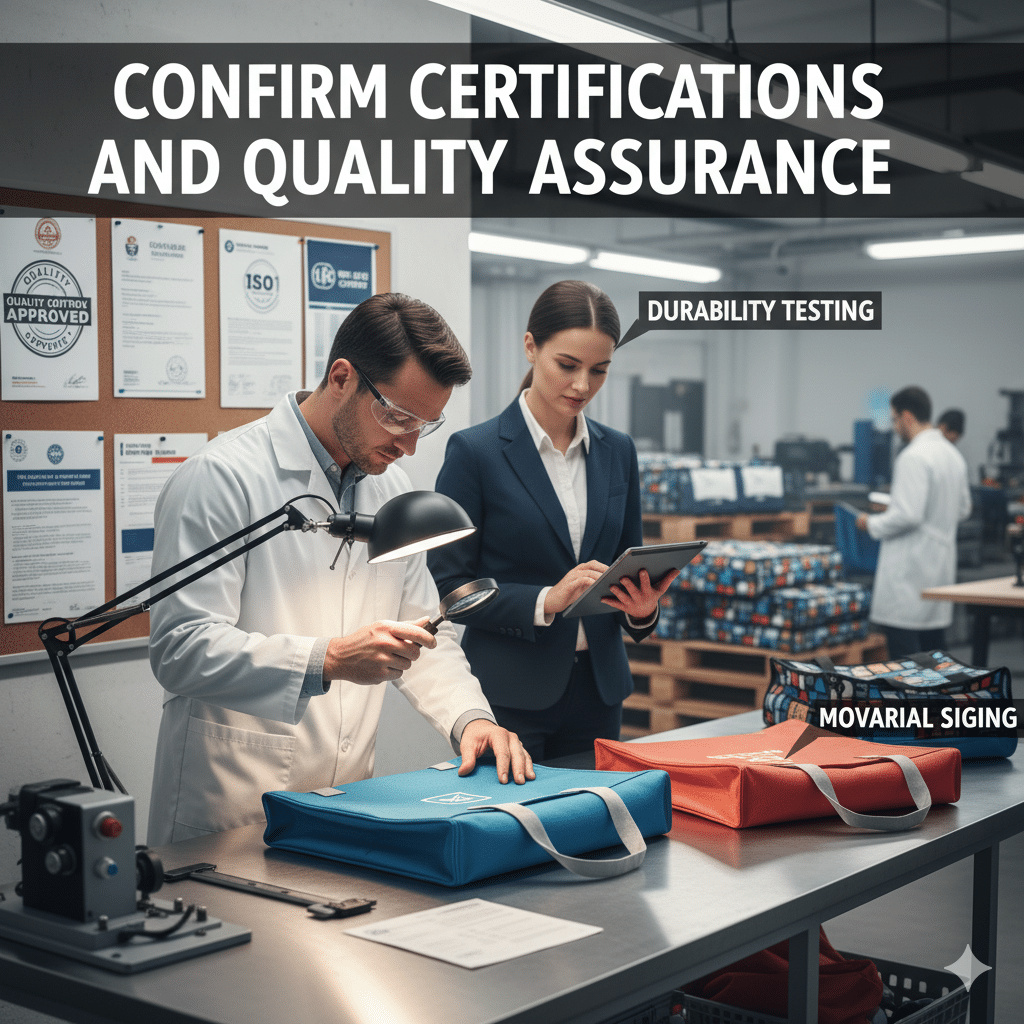
A heavy duty moving bag factory audit checklist doesn’t start at the cutting table. It starts three weeks before your flight, when you request and review the documents that separate manufacturers who build to a standard from assemblers who build to a price. Here’s what to demand—and what each document actually reveals.
- Batch-coded raw material certificates with mill test reports: Request certificates for every fabric roll linked to your order. Without batch codes that trace from the mill certificate to the finished bag, you have zero proof the 600D Oxford fabric on the spec sheet is what hit the production line. A factory that runs full traceability—where every roll has a code visible on the storage rack and that code appears on the QC log—can’t swap in cheaper substrate mid-run. If they can’t produce these within 48 hours of your request, walk before you book the ticket.
- Internal QC specifications for incoming materials: Ask for the written incoming inspection protocol, not a verbal assurance. Look for GSM tolerance bands (e.g., 120 gsm ± 3 gsm, not “around 120”), seam strength pass/fail thresholds, and visual defect classifications. A supplier who merely eyeballs incoming rolls has no barrier against a mill that ships 105 gsm fabric labeled as 120—and that 15 gsm gap is exactly where bags tear under real moving loads.
- Production sample with approval sign-off sheet: The gold standard is a sealed pre-production sample signed by both your team and their line supervisor, locked in their QC room and referenced at every shift change. If they only have a photo of the sample, you’re gambling. The sample approval document should list exact thread type, stitch per inch count, and bartack dimensions—not just ‘reinforced handle.’ Vague approvals produce vague bags.
- In-house test data sheets from durability equipment: Request zipper cycle test logs and handle load test printouts before you arrive. A factory running in-house zipper durability testers to 5,000+ pull cycles generates data sheets every shift. If they hesitate or say ‘we send samples to a third-party lab once a year,’ you’re looking at a supplier who doesn’t invest in ongoing verification. Transparent factories share these sheets without asking.
- ASTM D5034 dynamic load baseline: 50 kg: ASTM D5034 measures breaking strength and elongation of textile fabrics—the standard that governs whether a moving bag handle will hold under real-world abuse. A passing value for heavy-duty moving bags is 50 kg dynamic handle load. Not static weight, not a YouTube video of someone lifting a bag once. Dynamic load means the bag handles repeated shock, like a mover swinging a loaded bag onto a truck bed 40 times a day. Request the actual test report with the curve graph showing elongation at break. If the handle fails below 40 kg, the bag is a liability, not a tool. Ask directly: ‘Show me your last five ASTM D5034 reports for the fabric lot you’ll use on my order.’.
- AQL sampling: 2.5 for major defects, 0.65 for critical: Acceptable Quality Level (AQL) is your statistical gate on how many defective bags you’re willing to accept in a batch. For moving bags, run AQL 2.5 on major defects—stitching gaps over 10 mm, zipper misalignment exceeding 5 mm, handle attachment angles deviating more than 15 degrees from spec. Run AQL 0.65 on critical defects—anything that could cause injury or catastrophic failure: handle detachment under load, fabric tears at seam lines, zipper slider separation. A supplier who pushes back on AQL 0.65 for critical defects is telling you they expect some percentage of their bags to hurt someone.
- Defect tolerance thresholds, written and countersigned: General ‘we stand behind our quality’ statements are meaningless. Your defect tolerance document must list: acceptable stitch skip length (maximum 3 mm per 100 cm of seam), permissible color variation (Delta E ≤ 1.5 between the approved sample and production batch), allowable GSM variance (± 5% of spec), and maximum handle angle deviation (0 to 5 degrees from perpendicular). Have the factory sign this before you board the plane. A supplier who won’t sign measurable tolerance bands has no intention of being measured against them.
These four documents form the minimum viable package for any overseas factory inspection for moving bags. Without them, the factory tour is theater—you’ll see machines running but have no way to connect what you’re watching to what ships in your container.
Once the documents are in your hands, you need inspection benchmarks with teeth. Not vague expectations—hard thresholds that trigger a rejection before you spend another dollar.
The relationship between documentation and benchmarks is sequential, not parallel. You don’t negotiate ASTM D5034 thresholds during the tour—you set them in writing, get acceptance, and use the visit to verify compliance. Companies that maintain consistent factory inspections are 30% less likely to encounter major quality issues according to McKinsey data. But that statistic assumes the inspection has teeth. The documentation package and the pass/fail benchmarks are what give it a bite.
If you arrive at the factory and the batch-coded fabric rolls don’t match the mill certificates you requested, or if their idea of ‘load testing’ is a worker pulling on a handle for five seconds, you haven’t wasted a trip—you’ve just saved the cost of a $20,000 defective shipment by disqualifying a supplier in two hours instead of six months. That’s not a failed tour. That’s procurement doing its actual job.
On-site Inspection: 6 Areas Every Importer Must Check
A clean warehouse floor tells you more than a polished showroom.
The last time I walked a factory floor in Wenzhou, I spotted a roll of 80 gsm non-woven PP sitting in the ‘approved’ rack. The PO specified 120 gsm. The production manager shrugged—’it’s close enough.’ It’s not. That 40 gsm difference drops tear resistance by roughly 45%, and your bag handles rip when a mover loads 45 kg of kitchen plates. I rejected the entire lot before a single bag was cut. This is what you’re here to catch.
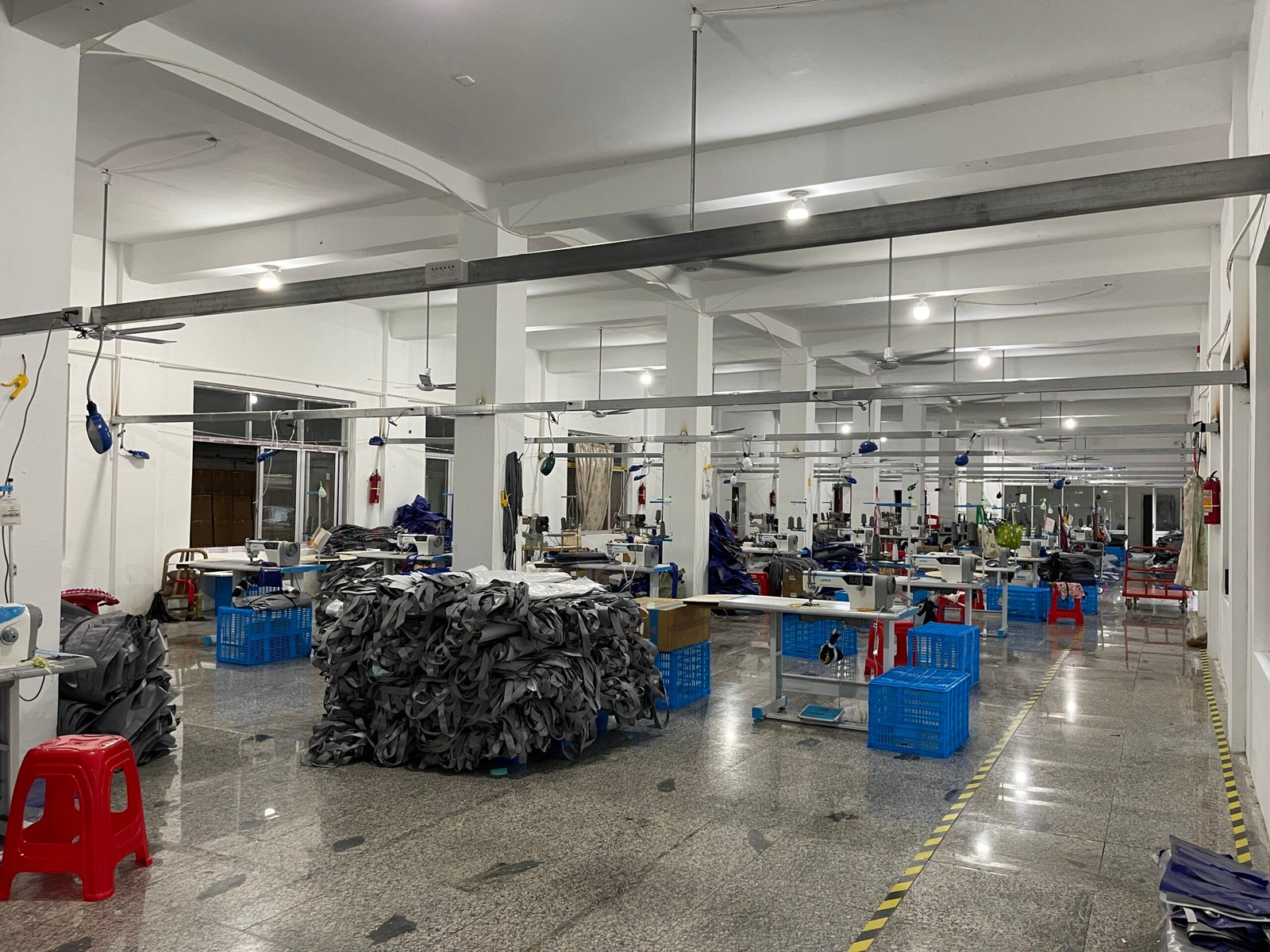
You’re not touring a factory to admire machinery. You’re there to verify that the systems producing your sample approval match the systems that will produce 10,000 units. Focus your time on three stations that cause 80% of field failures in heavy-duty moving bags: raw material intake, stitch reinforcement, and zipper assembly. Everything else is noise.
- Raw Material Storage & Incoming QC: Walk directly to the fabric warehouse before you see the cutting floor. Look for batch-coded labels on every roll, tied to mill test certificates. If rolls are unmarked or the codes don’t trace back to a certificate with tensile strength data, the factory has no raw material traceability. That means when 600D Oxford shows up at 450D—and it will, because fabric mills make mistakes—nobody catches it. Ask the warehouse supervisor to pull the last three incoming inspection reports. If they can’t produce them in under five minutes, their incoming QC procedure is theater.
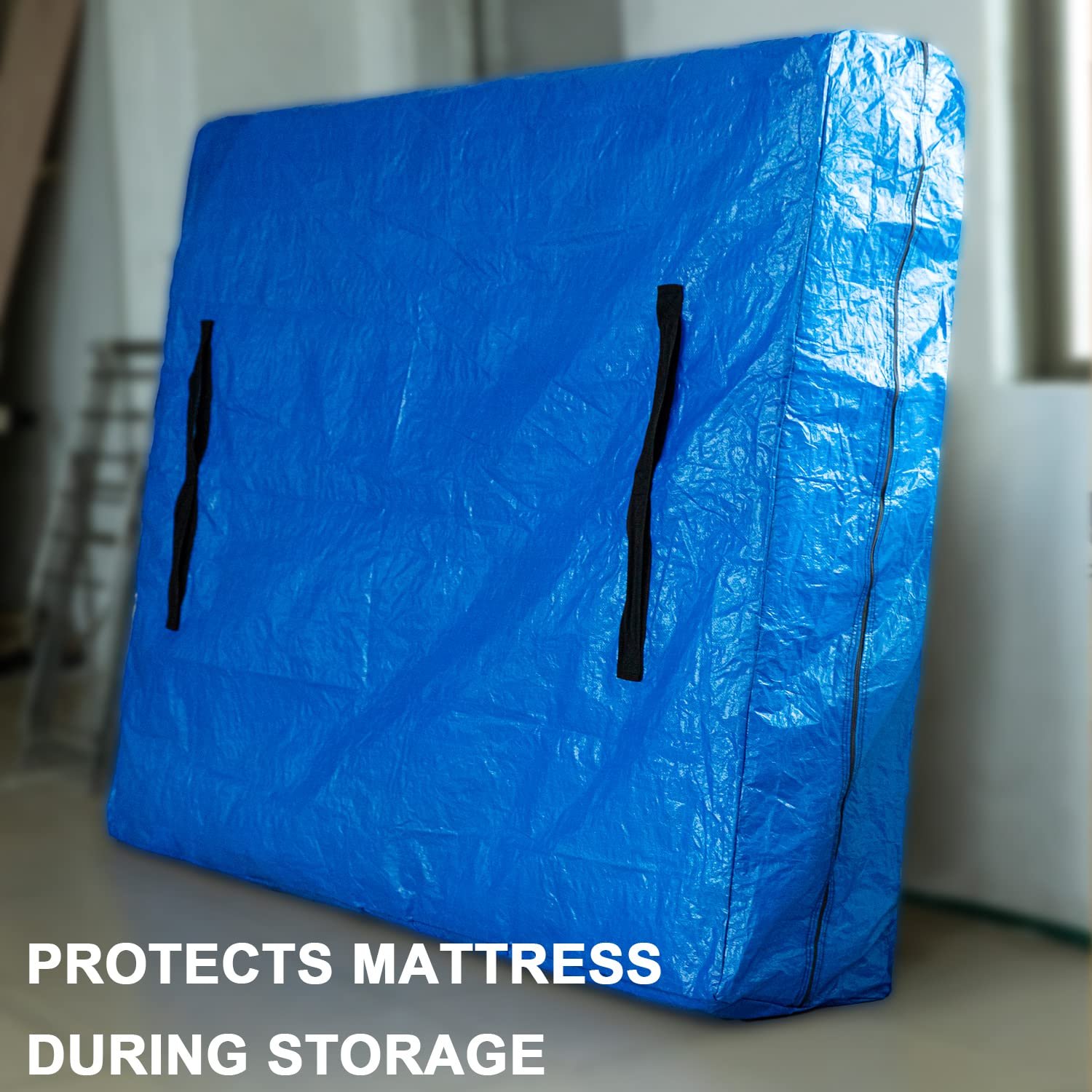
- Stitching & Reinforcement Quality: Go to the stitching line and pull three finished bags randomly from the output bin. Don’t let them select samples for you. Check the handle attachment points first—this is where bags kill people. A double-needle lockstitch with bartack reinforcement should run at least 28 mm across the handle base, with no skipped stitches or loose threads. Grab the handle and yank hard. Then grab it and apply steady, sustained pull for 10 seconds. A properly reinforced handle won’t elongate more than 5 mm under static load. If you see single-needle stitching or a simple straight stitch without bartack at the handle base, walk away. That construction fails at 30 kg dynamic load, not 50 kg. ASTM D5034 isn’t a suggestion—it’s the minimum threshold before your customer’s employee catches a herniated disk.
- Zipper, Hardware & Final Assembly Inspection: Find the zipper testing station. If there isn’t one, that’s your answer. A factory serious about heavy-duty bags runs an in-house cycle tester that validates zippers to at least 5,000 pull cycles. Standard consumer bag zippers fail at 1,000 cycles. Moving bags get zipped and unzipped 20 times per job, so 1,000 cycles buys you 50 jobs before failure—about four months for a busy moving company. Ask to see the test data sheets for the last production run. The numbers should be logged per batch, with pass/fail criteria clearly marked. If the factory tests at all but won’t share the data, they’re hiding their defect rate. At final assembly, check that D-rings and webbing aren’t twisted during insertion, and that zipper tape is sewn flat without bunching. A crooked zipper on the inspection table is a zipper that jams after 200 cycles in the field.
One more thing: check the factory’s quality tolerance documentation. If they don’t use an AQL sampling standard—typically AQL 2.5 for major defects on industrial bags—they’re guessing. Ask what happens when a batch fails. A factory that ships rejected product because ‘it’s close enough’ is the same factory that will ship you bags made from 80 gsm fabric and tell you it’s 120 gsm. You’re not inspecting bags. You’re inspecting a culture.
Post-Visit Supplier Assessment & Report
Three numbers decide whether you proceed: 50 kg, 5,000 cycles, and batch code traceability.
Pile your on-site notes next to the pre-tour benchmarks you set from ASTM D5034 and your own defect tolerance. If the factory couldn’t produce a live 50 kg dynamic handle-load test or hand over zipper cycle logs exceeding 5,000 pulls, you’re looking at a supplier that talks quality but can’t prove it. That gap alone disqualifies them.
- Pass: ASTM D5034 load test visible: Witness a physical test or review dated test reports with batch numbers matching production stock. No test, no contract.
- Pass: Zipper cycle data shared: In-house tester logs showing ≥5,000 pull cycles without jam or tooth breakage. Consumer-grade bags fail at 1,000; you need proof they test to industrial levels.
- Pass: Full batch traceability shown: Fabric rolls must carry batch codes linked to mill certificates. If they can’t trace a roll back to its test report, your defect liability is invisible.
- Fail: Photo restriction: If the supplier blocked photography, the entire visit becomes hearsay. Treat it as a red flag and move to the next candidate.
Only when all three hard passes are checked do you move to commercial negotiation. Anything less means your $2,000 visit already saved you from a $20,000 defective shipment. Mark the supplier as ‘conditional’: proceed to a 300-bag trial order with strict pre-shipment inspection at AQL 2.5. If they fail that, you’ll be glad you didn’t skip the math.
Conclusion
A $2,000 factory tour can stop a $20,000 container of defective moving bags from ever reaching your warehouse. Skip the checklist, and you’ll likely see handle tears and zipper splits within the first 90 days of use—costing you re‑order charges, freight claims, and long‑term client trust the pre‑production sample can’t rebuild.
Before you commit to a supplier, confirm their bags pass ASTM D5034 at 50 kg dynamic load and come with batch‑level material certifications. See our heavy‑duty moving bag specs that include double‑needle lockstitch bartacks, 5,000‑cycle zipper validation, and full traceability from fabric mill to finished bag.
Frequently Asked Questions
What if the supplier refuses to let me take photos?
Immediate refusal signals a serious red flag. A legitimate moving bag factory should permit photos in general production areas while protecting proprietary finishing steps. Settle photo permissions during pre-visit documentation.
Can a factory visit replace a pre‑shipment inspection?
No, a factory visit cannot replace a pre‑shipment inspection. The tour assesses process and capacity, but only a final shipment inspection verifies the exact bags leaving the dock. Use the tour to qualify the factory, then the PSI to qualify the batch.
How do I verify that the ASTM D5034 test was actually done?
Ask for the raw test data with batch number, date, and technician signature. Cross-check by requesting a live pull test on a random bag from the current run using. A live pull test on a random bag is your best on-tour verification.
What’s the minimum number of bags I need to test on the tour?
Test at least 5–10 bags grabbed randomly from different sewing stations. This gives a snapshot of stitching consistency without claiming full AQL coverage. Fewer than 5 samples won’t reveal systematic stitching flaws.
Do I need an interpreter for a moving bag factory tour?
Yes, unless you are fully fluent in the local production language. Terms like ‘ASTM D5034 grab strength’ or ‘woven PP gsm’ demand precise translation to avoid costly misunderstandings. Bring a dedicated interpreter, not just the salesperson.

0 Comments